
Snipe Worlds – Plotting the Course – Episode 9
From the Origins to Mahon
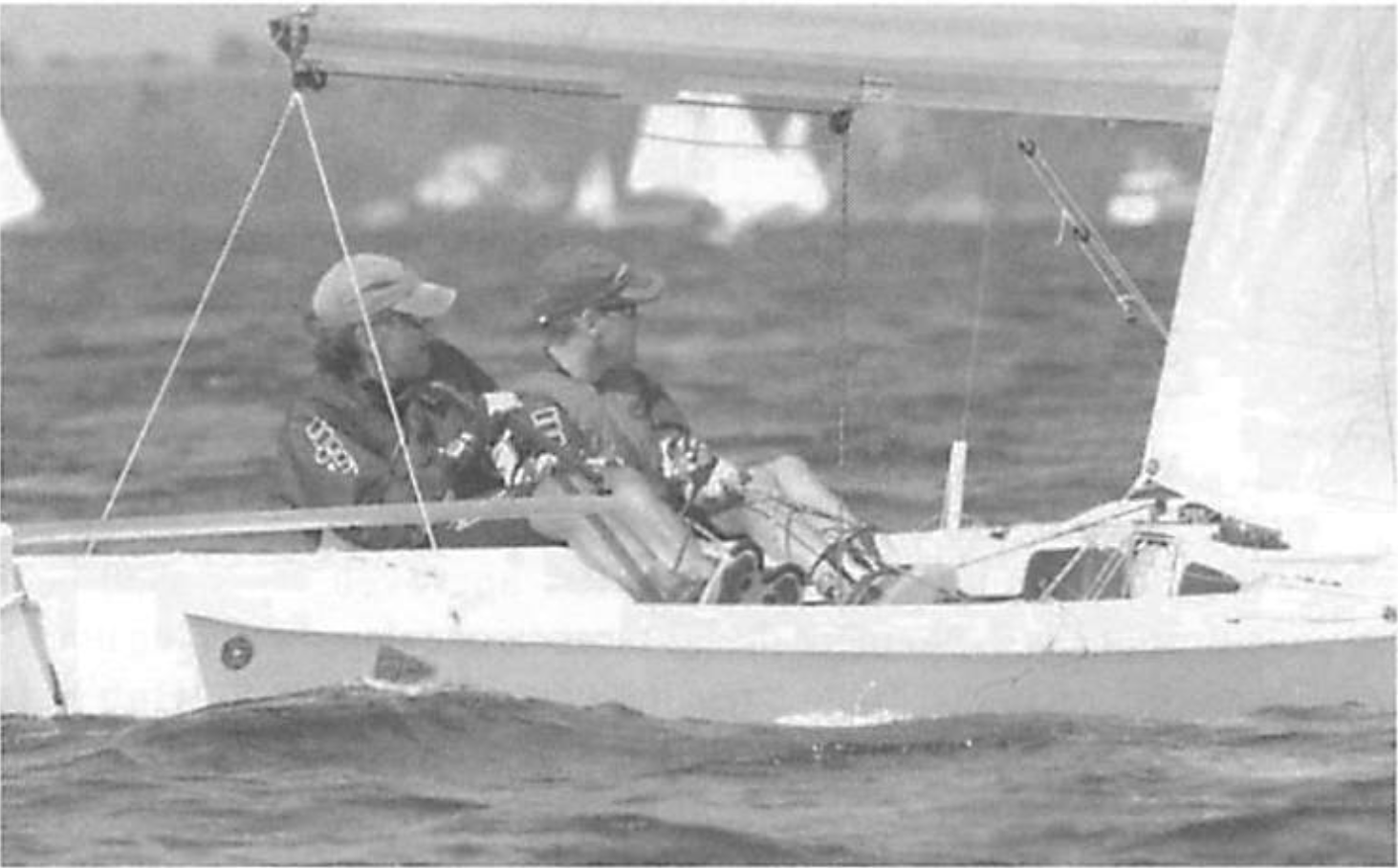
This ninth episode of Plotting the Course takes us through a remarkable decade of Snipe World Championships between 2003 and 2013. We trace the breaking of South America’s long winning streak by American superstar Augie Diaz, who captured two world titles (2003 and 2005) alongside crew Jon Rogers and Pam Kelly. With their 2005 victory, Pam Kelly became the first woman to win the Hub E. Isaacs Trophy since 1945, when Betty White won crewing for her husband Bob at the X Snipe International Championship in Chicago. We also witness the incredible rise of youth talent in 2007 with 19-year-old Tomas Hornos and Enrique Quintero, follow the dominant surge of Brazilian sailors Bruno Bethlem and Dante Bianchi taking titles in 2009 and 2013, and revisit the unpredictable, storm-and-rain-swept waters of Denmark in 2011 where Alexandre Tinoco and Gabriel Borges claimed victory.
During this period, we are also witnessing victories by different boat builders (Persson, Lemao, Zeltic) and sailmakers (Quantum, Olimpic, Zaoli)—further proof that the Snipe Class works and is competitive.
A personal note: in late 2011, together with Carol Cronin, we founded the SnipeToday website. From that date on, we began gathering results, photos, interviews, and videos from the World Championships (and beyond). As a result, the material to reconstruct the history of the Snipe Worlds from 2013 onward is much more readily available.
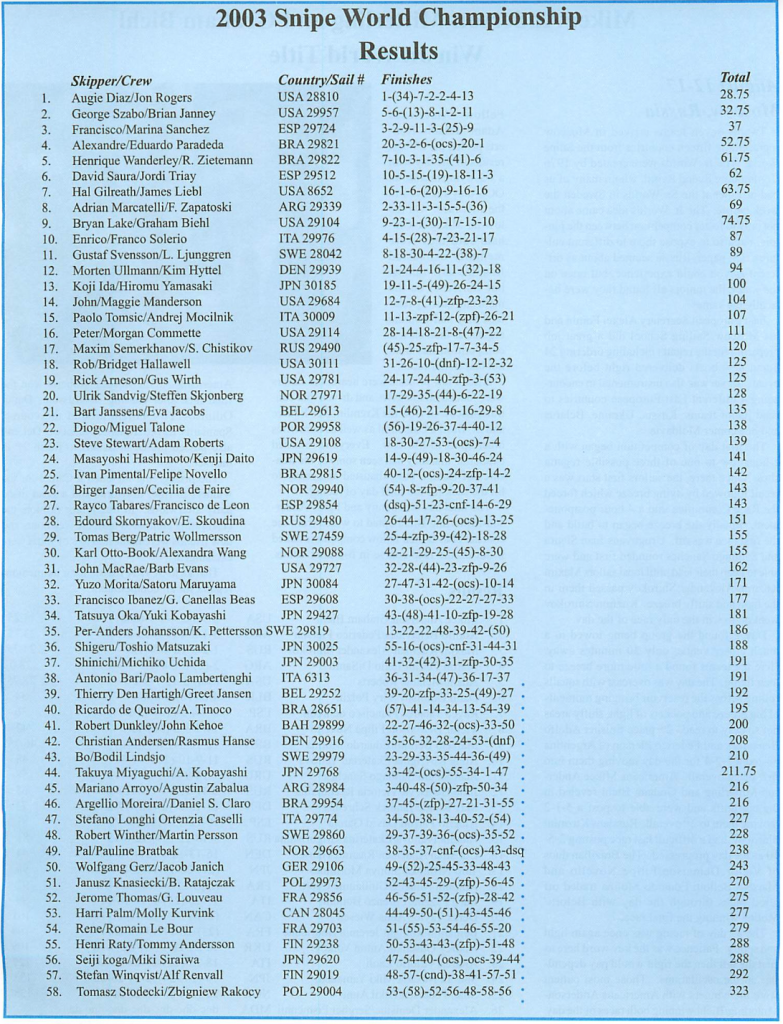
2003 Snipe Worlds – XLI – Landskrona, Sweden, August 3-7, 2003
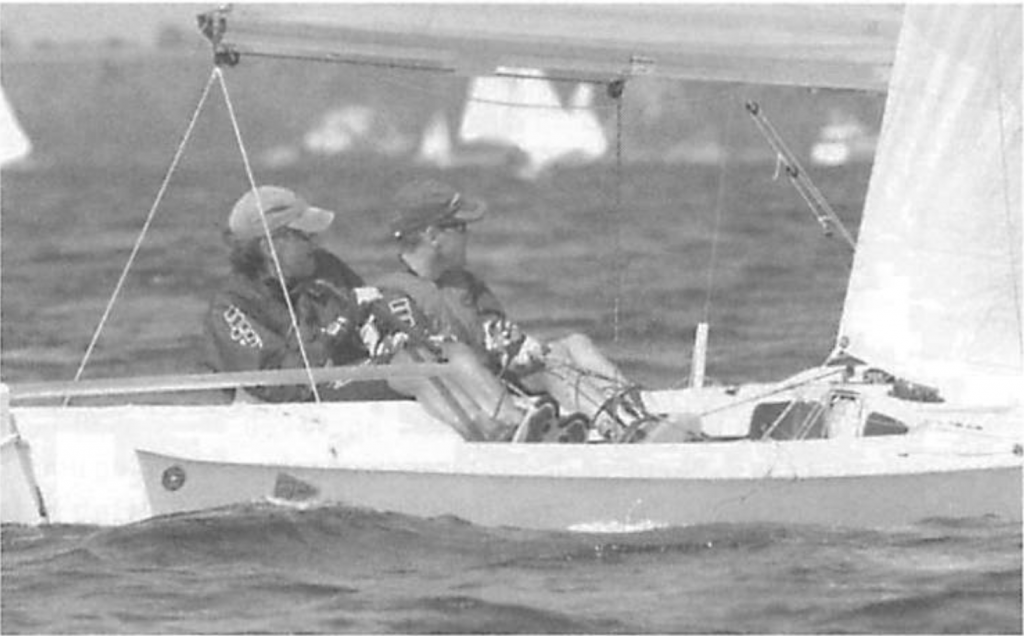
Augie Diaz and Jon Rogers of the USA Win Snipe Worlds – Snipe Bulletin Summer 2003
18 countries came to Landskrona, Sweden for this year’s Snipe Worlds bringing 58 boats to vie for the coveted title of World Champion.
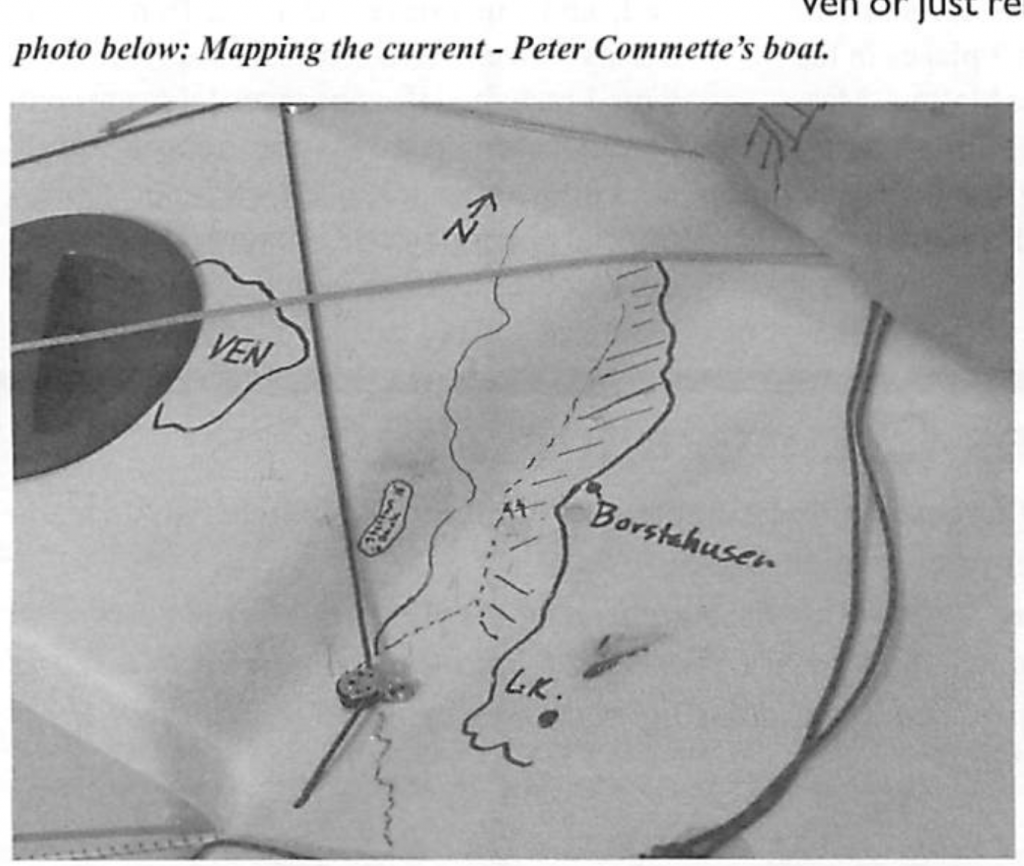
Sailed on the Öresund, a body of water connecting the Baltic with the North Sea between Sweden and Denmark and with the island Ven in between, the sailors were greeted with tough currents, and varying wind pressure. The current was dictated by air pressure, which challenged every sailor on the course. Borstahusen Sailing Society provided the facilities including a large parking lot for the boats, a large ramp and a huge tent for the meals.
Augie Diaz and Jon Rogers of the US started off with a first place finish, contested by an ill-placed finish mark that they were first to recognize. They were flagged for sculling at the start of the 2nd race, immediately giving them their throw-out for the regatta. Fellow Americans Hal Gilreath and James Liebl crossed first in the 2nd race. Spaniards Paco Sanchez with sister Marina as crew led the regatta at the end of the first day with a 3-2, sailing smart and consistent.
The 2nd day found another American team taking the bullet, Bryan Lake and Graham Biehl, who had qualified for the Worlds through their 2nd place finish at the previous Jr. World Championships. The string of wins was broken by Henrique Wanderley and Richard Zietemann of Brazil, with blazing speed, crossing in the 4th race. Race 5 found the Russian teams of Maxim Semerkhanov/Semen Chistikov and Edourd Skornyakov/Ekaterina Skoudina leading the race in 1-2. But Semerkhanov/Chistikov were OCS giving the gun to another American team, that of George Szabo and Brian Janney.
Thursday was a lay day, which gave all sailors the chance to visit the Island of Ven or just relax. Back on the water for race 6, Takuya Miyaguchi and Akiko Kobayashi of Japan led wire to wire in the 8-10 knot breeze to win the race.
The final race on the last day was held in dying breeze. Any 3 could win the championship: Diaz/Rogers, Sanchez/Sanchez, Szabo/Janney. Diaz had to be within 5 boats of Szabo and no more than 13 boats from Sanchez to win. Augie did not get into that window until the last half of the last beat.
Swedish favorites Lennart Ljunggren and Gustaf Svensson rounded the weather mark 2 minutes ahead of Bart Jansen/Eva Jacobs of Belgium and greeted by cheers from local supporters. They were on their way to winning the Earl Elms Perpetual until the breeze caved in. Massive places were gained and lost by most competitors giving the spectators their money’s worth! While the Sanchez’ seemed to have the Championship in their pocket, Szabo/Janney moved up throughout the race from 22nd to just behind the Sanchez’, giving Szabo/Janney the nod for the title. In the meantime, Diaz/Rogers never gave up and clawed through the fleet from 18th to 13th, just enough to cross the line 2 behind Szabo to win the title!
Augie Diaz is now the current World Champion, Western Hemisphere Champion and World Masters Champion
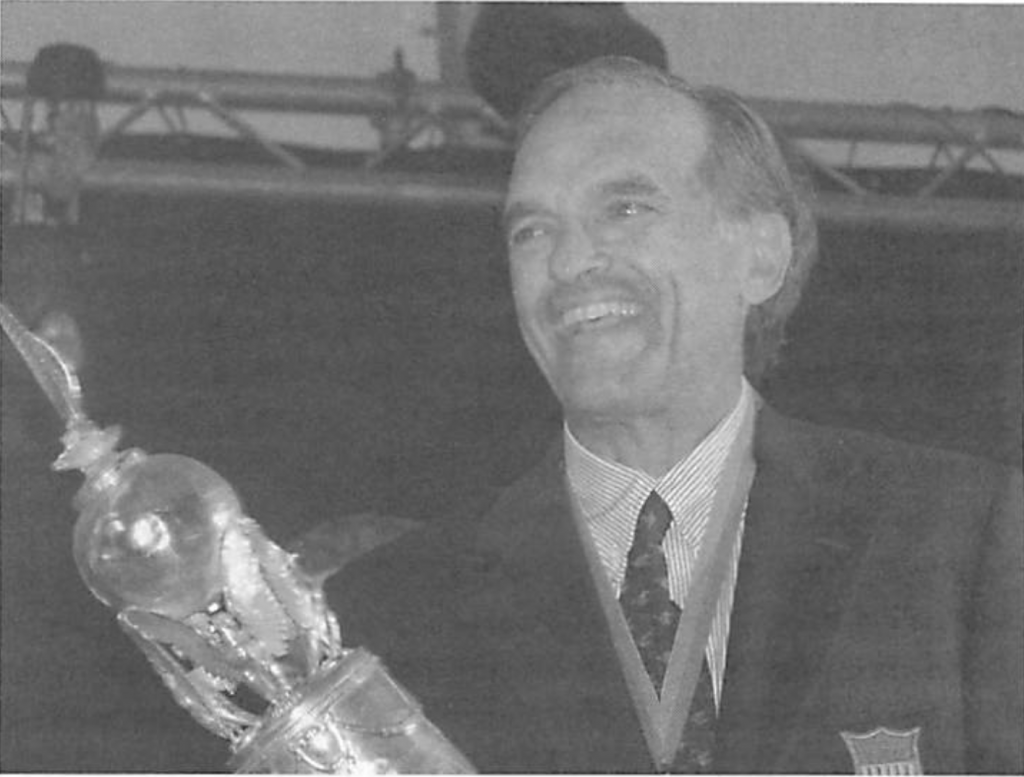
Alexandre Paradeda/Eduardo Paradeda sailed a great final beat to win the Earl Elms Perpetual.
Augie Diaz is now the current World Champion, Western Hemisphere Champion and World Masters Champion.
— Bill Welch & Jerelyn Biehl
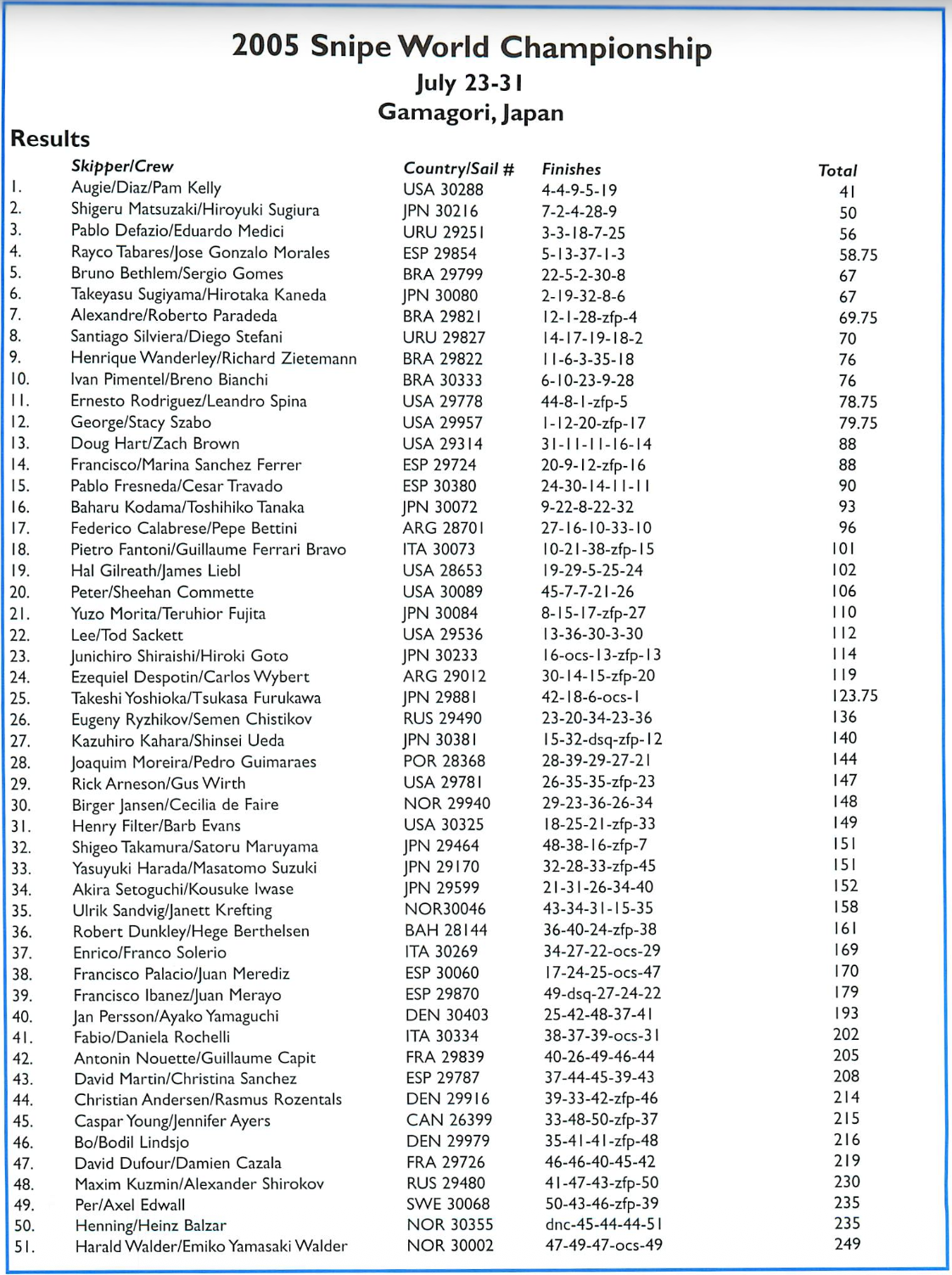
2005 Snipe Worlds – XLII – Gamagori, Japan, July 23-31, 2005
Augie Diaz: “I feel very fortunate to have won the Worlds in Japan, and when I said this to a Japanese newspaper reporter, he asked why I thought I had been lucky to win since I was the #1 Snipe sailor in the world; I responded that there was no such thing as the #1 Snipe sailor in the world and that if there was, it was not me. He insisted and then I told him that two weeks before the Worlds we had finished 4th in the US Nationals, then he understood. There were so many good sailors at the Worlds that could have won, and this is what makes the Snipe class so great and so much fun.”
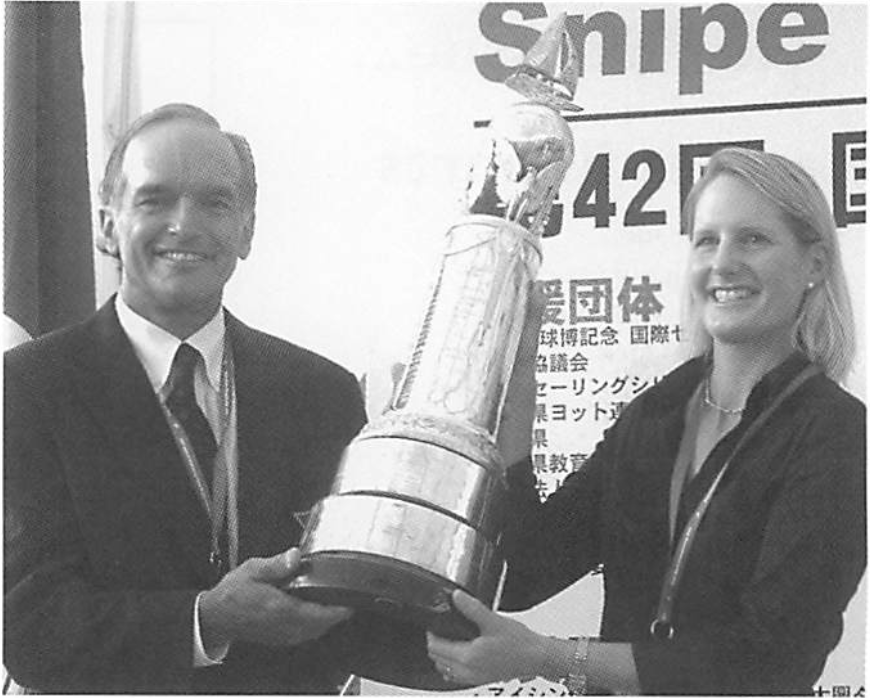
Diaz Reigns Again – Snipe Bulletin Fall 2005
Pam Kelly is first woman in Isaacs in 45 years
(Editor’s Note: The original title from the 2005 Snipe Bulletin noted “in 45 years”; in fact, Pam Kelly was the first woman to win the Hub E. Isaacs Trophy since 1945—a span of 60 years—when Betty White won crewing for her husband Bob at the X Snipe International Championship in Chicago).
The 42nd Snipe World championship was thrown some curves this year, but the cream rose to the top again, as Augie Diaz stayed consistent and was atop the podium in the end.
Past SCIRA Commodore Akibumi Shinoda orchestrated an excellent regatta from start to finish. The only element he couldn’t control was Mother Nature, who served up a Typhoon that headed straight for the regatta venue and ultimately halted racing for 2 days. The remains of the storm were light breezes, making transitions key for the many sailors who expected more steady and stable breezes.
The first few days of racing found many of SCIRA’s former champions dueling it out in the top 10. The light breezes of 5-12 knots caused havoc for many with tough competition not making it easy for anyone. Anxious sailors caused numerous recalls and several sailors were caught under the Z-flag penalty.
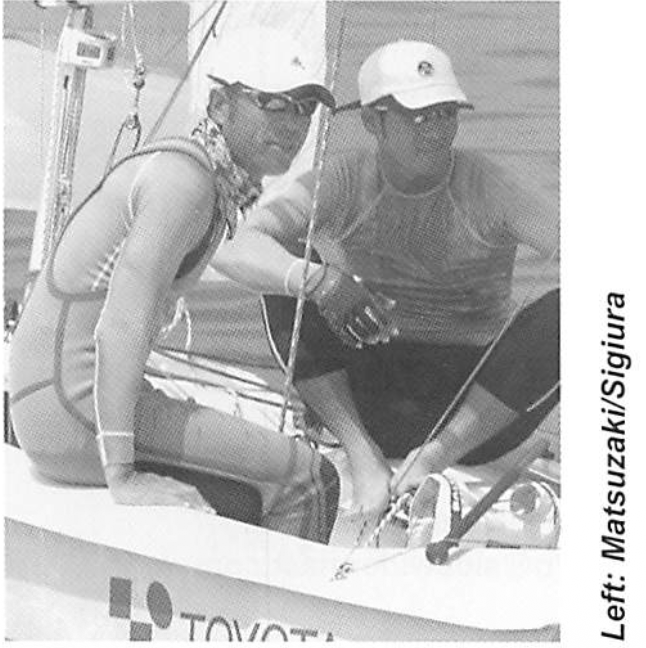
After the first few days, the only sailors with single digit finishers were Diaz/Kelly and Matsuzaki/Sugiura. Matsuzaki/Sugiura were leading after the first 2 days with a 7-2-4 with Diaz/Kelly close behind with 4-4-9. Many other teams had some stellar races mixed in with a bad race many were hoping to use as a throw-out. But the conditions remained light and RC Chairman Takashi Nishimura tried in vain to conduct more races, but the elements would not allow him. Strategy had to change with no throw-out and Diaz/Kelly were able to consolidate their lead posting a 5th in race 4 while Matsuzaki/Sugiura finished in 28th.
Pablo Defazio/Eduardo Medici of Uruguay were waiting in the wings ready to pounce on the leaders, but they too had a difficult few races that they had to keep, relegating them to 3rd overall.
Social



Everyone would agree the Japanese know how to throw a World Championship! Fleet members from the Aichi area and all around Japan showed up to lend support in measurement, regatta management, breakfast preparation, translation and information, and just about every other aspect you could imagine and all with a smile! Competitors were treated to typical Japanese food and entertainment and the most unbelievable fireworks available! Many stayed to tour the World Expo the following day and unwind from the competitive week.
Equipment
A few competitors chose to ship their own boats to Japan while many others used charter boats provided by the organizers. The equipment and measurement list on page 12, provided by Worlds Chief Measurer and Rules Committee member Kudara, will give you about all the information you may need! Not much new was observed in rigging this year and mylar seems to be on the wane for sail cloth use. The standardization of the pintles & gudgeons enabled many sailors to bring their own rudders.
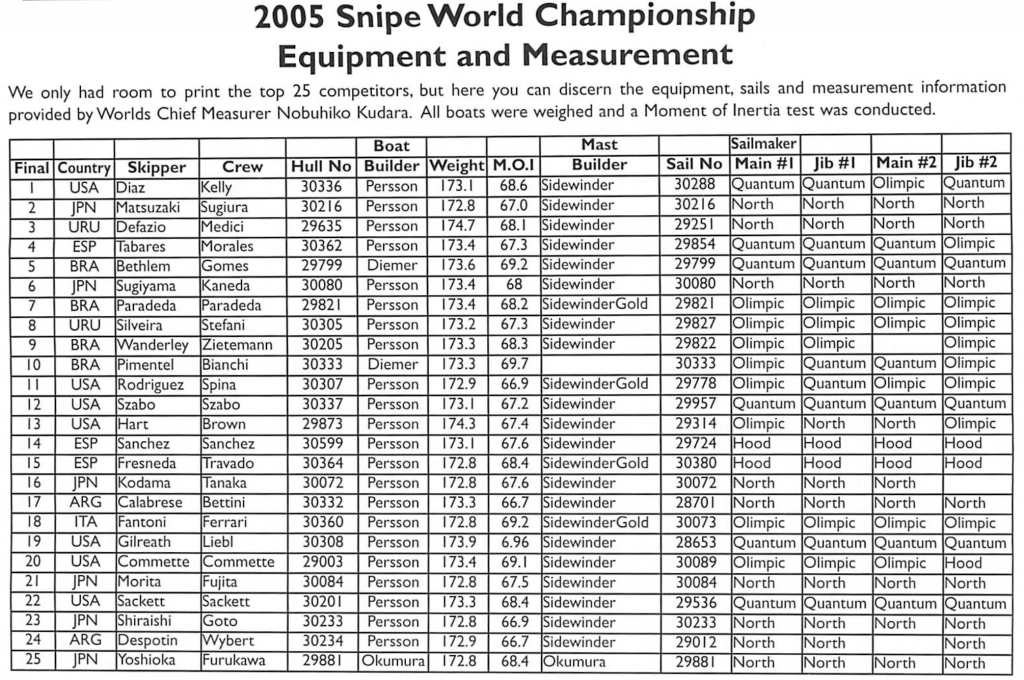
2005 Daily Worlds Report
Here was a Quick day-by-day report of the Snipe Worlds by George Szabo
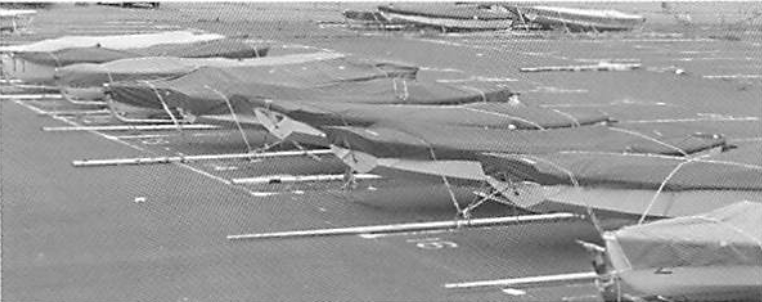
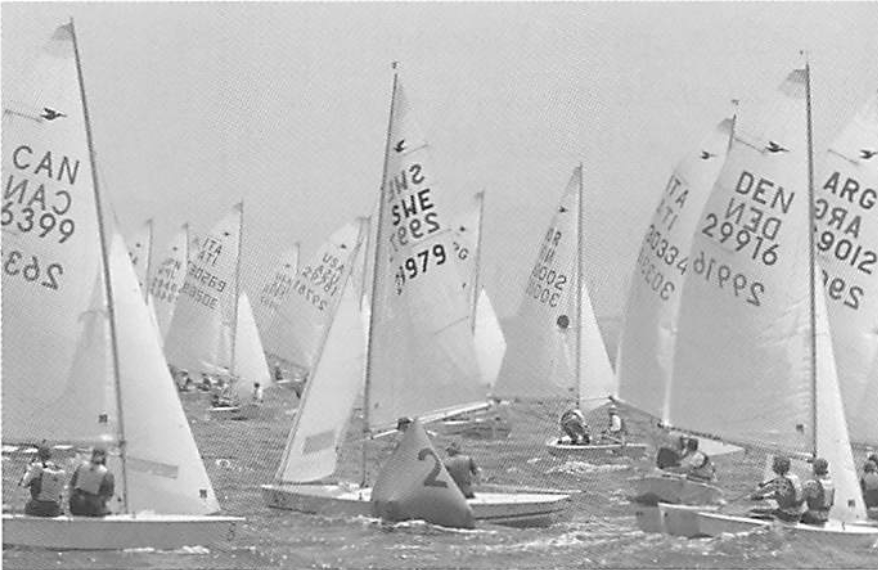
- Day 1: Typhoon headed our way this morning, so there was no sailing today. Just sitting and waiting for the storm to hit land. All the boats are tied down to rings on the hard top. A very warm and very choppy place to sail.
- Day 2: Last night the typhoon shifted to the east and missed us. As it went away from us, the wind picked up during the night, and we were woken up repeatedly to the sound of the building howling. By morning, I counted over 20 freighters taking refuge in the bay here. So far, the wind is at 35 knots, with gusts to 40. The bay is covered with white caps, and the sailors are hanging out in the club. The flag pole shows the come within hail flag, the postponement flag, the lifejacket flag, and the do-not-leave-the-harbor flag. Not sure if we’ll get thrown out if we don’t wear our life jacket on land. We were sent out to sail 30 minutes before the last possible start time for the day only to find it was still blowing well above the wind limit when we all got there. They fired off the guns and flags and sent the fleet back to the harbor just before the bulk of the fleet arrived to the start line. It was an interesting sight to see a Worlds where so many sailors were sitting on the sidelines deciding whether or not it is too windy for them. A lot of Brazilians were sitting on shore waiting. I think the whole US team went out. So much for the light air forecast. We’ll see what tomorrow brings.
- Day 3: We finally got a day of racing in! Three races in 8-12 with lots of chop. Shifty conditions, and short-legs allowing the whole fleet to get to the 1st mark at the same time. By the time the third race came along, you could tell the sailors were getting tired. Last night’s party was “Japanese Style”. Everyone was dressed up in robes when the entered, and we all had to sit on the floor. Good event, And they played Bingo too! The hit line was “SHAKE SHAKE SHAKE” and the balls were stirred with a little dance to go along every time by the ball caller. Now, as we show up this morning for races, the wind looks to be 4-8, and there are about 100 jet-skis in the parking lot. Looks like these guys drove all night, and are currently sleeping in their cars getting ready for a competition. One van says “JAPAN NATIONAL JETSKI CHAMPIONSHIP”. Should be an interesting day.
- Day 4: Well, no sign of the jet-skis out on the water, and that was the best news all day. Our day started with the wind from one direction, only to die while we were still on land. When a weak sea breeze filled in from the opposite direction, we were sent sailing. Well, good intentions aside, we sat around for a few hours waiting for more wind. It is pretty darn hot here, and the RC started passing out water a few hours into the delay. We set up for a few starts, but the wind died and we waited some more. Eventually, the wind got to about 6.1 knots, and a race was started. Actually about 6 races were started, and the ZFP penalty was in full force. We got one, and so did 50% of the fleet. No exaggeration there. The breeze didn’t stay strong for very long, and the ensuing race felt like a giant game of leap frog. Packs from the front would go back, and those in back would go way forward over and over again. We’ll likely sail one race tomorrow in the morning. The last start time is 11am- they need to get the charter boats onto trucks to go home.
- Last day: Well, it started with double the amount of jet-ski’s in the parking lot, but fortunately they have their own race course near shore with buoys, loudspeakers, tents and the whole shebang. We were towed out in light air, waited around in light air and 60 degree shifts. A touch of rain, and then enough wind to sail. Just on the rail conditions, and lots of chop especially on the left side where the spectator fleet was allowed to go. Not a great race for anyone, and the leaders were all the way back in the pack. Augie repeated as World Champion. I still need to find time to toss him in the water he keeps asking why it is necessary. But first we have to pack a container.
Interview with Augie Diaz
Snipe Bulletin: Augie, you’ve now won several World & Hemisphere titles in varying conditions. How do you prepare for the conditions? (ie: do you research the site, train in various regattas with different conditions??) Do you try to train in your home waters (Biscayne Bay) in different conditions?
Augie Diaz: I do some research on the conditions that are expected in a particular site, but I don’t go overboard on this. Biscayne Bay is a great place to sail because there can be different conditions and this is an advantage.
SB: You’ve shared some of your recent wins with various crews (Jon Rogers, John Kehoe, Lisa Griffith and Pam Kelly). Do you try to enlist a crew for the expected conditions?
AD: I don’t necessarily look for a crew for the expected conditions since I like to be prepared for all conditions. But with as much sailing as I try to do and how busy people are, I have to use different crews. I have been very fortunate to sail with very good sailors and I have learned a lot form each of them.
SB: The 2005 Worlds were tricky with the Typhoon delay and then light breeze. How do you keep calm during a mother-nature enforced delay?
AD: I sail with a lot of intensity, but at my advanced age and because of my experience, I have learned to sail for fun first and this allows me to sail very relaxed and without pressure. Pam is good for me because she matches my intensity, but also sails very relaxed. Coni also helps me relax, she cares very little about the racing and I love this about her.
SB: Did your philosophy or tactic change when you realized at the Worlds there might not be a drop race or did you just sail?
AD: This was a bit confusing at the Worlds because there was a lot of discussion about the cut off time on the last day. I was sailing like there would be a throw out until mid day of the second to last day; while under postponement because of no wind, I realized that if we didn’t get two races in that afternoon, there would probably be no throw out. Fortunately for other reasons we were ready for this. At the 2003 Worlds, we sailed our throw out in the second race and our strategy for these Worlds was to avoid this by being conservative and consistent at the beginning. This was super important since we ended up not having a throw out and because the fleet was so deep and competitive.
SB: Do you prepare anything different on your boat(s) for different conditions?
AD: I like to be competitive in all conditions so I don’t focus too much on a particular condition. I do adjust the rig for the wind strength and was aggressive about de-powering with Pam due to our light weight.
SB: When did you realize Pam was the first woman to win the Isaacs in 45 years? Did this have any effect on your performance (if you knew ahead of time)?
AD: Never entered my mind, I don’t see Pam as a woman, I see her as a very good sailor and a great teammate. Pam has this switch that she flips when she goes sailing particularly in a blow that makes her very aggressive and she sails heavier and stronger than she is.
SB: What are your next goals?
AD: I am going to keep sailing Snipes, Stars and Lasers for fun!
SB: Anything else you want to add??
AD: I feel very fortunate to have won the Worlds in Japan, and when I said this to a Japanese newspaper reporter, he asked why I thought I had been lucky to win since I was the #1 Snipe sailor in the world; I responded that there was no such thing as the #1 Snipe sailor in the world and that if there was, it was not me. He insisted and then I told him that two weeks before the Worlds we had finished 4th in the US Nationals, then he understood. There were so many good sailors at the Worlds that could have won, and this is what makes the Snipe class so great and so much fun.
Read also:
2007 Snipe Worlds – XLIII – Porto, Portugal, September 8-15, 2007
Enrique Quintero: “Tomas Hornos and I were getting ready to start the first race of the 2007 Snipe Worlds, and for some reason we found ourselves at the pin with no one around us. I was completely nervous because the rest of the fleet was spread out by the boat and the middle, but Tomas seemed completely confident about what was going on. The gun goes off, and Tomas and I port tack the fleet and win the race at our first World Championship. We then went on to win the regatta by 23 points. That is a regatta that I know that he and I will remember forever.”
Kids Win Worlds – Snipe Bulletin Winter 2008
The Championship that Almost Wasn’t
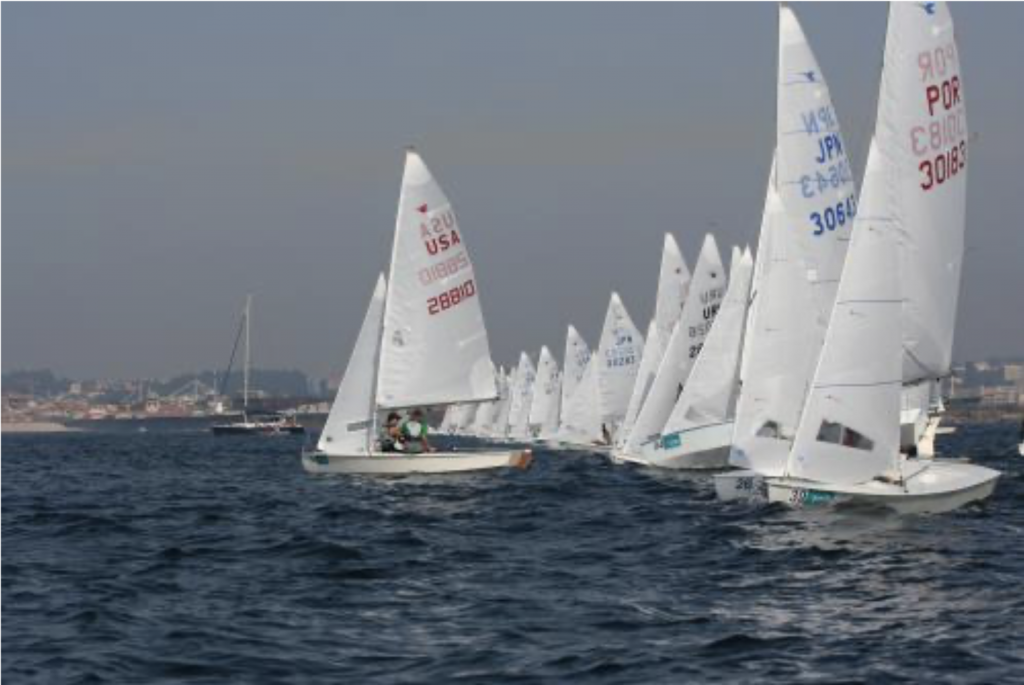
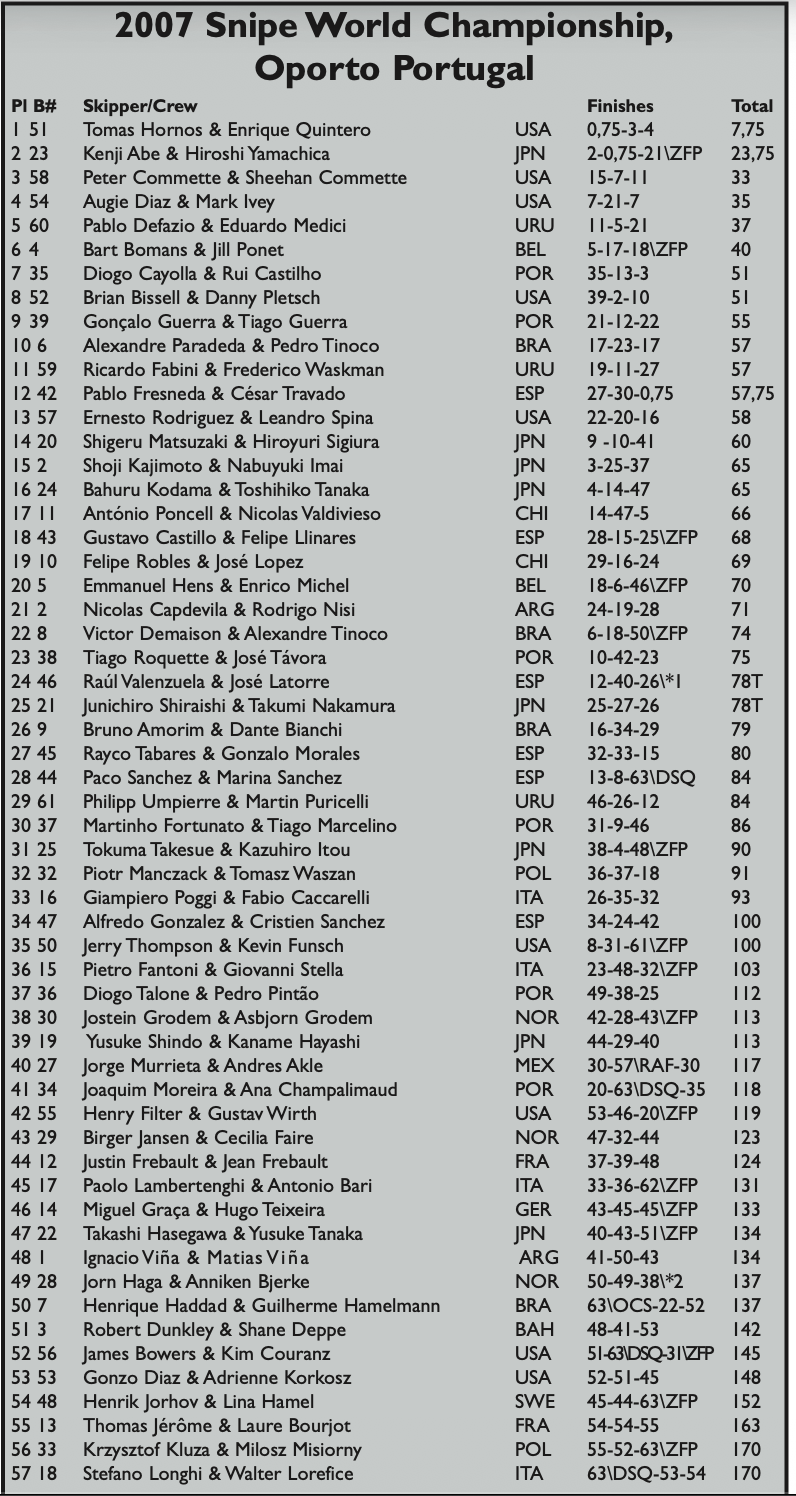
In convincing style, the future of the Snipe Class led the way to win the 2007 Snipe World Championships. Tomas Hornos celebrated his 19th birthday receiving the Hub Isaacs World Championship trophy along with his crew Enrique Quintero, who was to celebrate his birthday the following day. Posting a 1-3-4 in the only 3 races to be held in trying conditions, Hornos and Quintero of the US solidly staked their claim as world champions amidst a formidable fleet of world, Olympic, hemisphere and national champions.
Mother Nature decided to rest the week of the Championship. On either side of the Worlds, the winds were perfect giving those who sailed the Milenza regatta the week prior a taste of stable Porto breeze. And as luck would have it, the wind freshened as the time limit for the last race expired. Thick fog and windless days prevailed for the majority of the championship giving the Race Committee the ultimate challenge of conducting fair racing under the Snipe Class rules with a minimum of 5 knots.
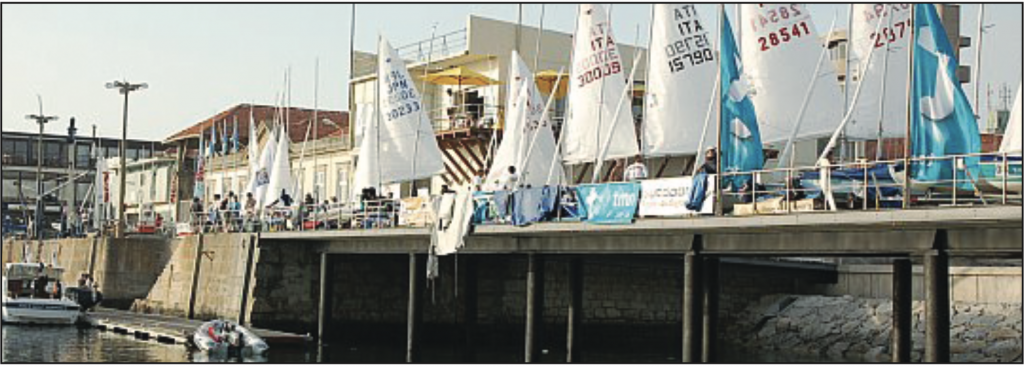
The minimum number of races were held to have a championship. Were they “World Championship” conditions? No; but champions are not only those who can sail in steady or heavy breeze.
In 2005, the Worlds in Japan were also mired by Mother Nature’s effects; a typhoon that decided to descend upon the venue creating too much wind, then leaving the sailors in a vacuum of air.
There was no question that the ability of “the kids” was evident and decisive. Their total was 16 points ahead of Abe/Yamachica leaving them as undisputed World Champions.
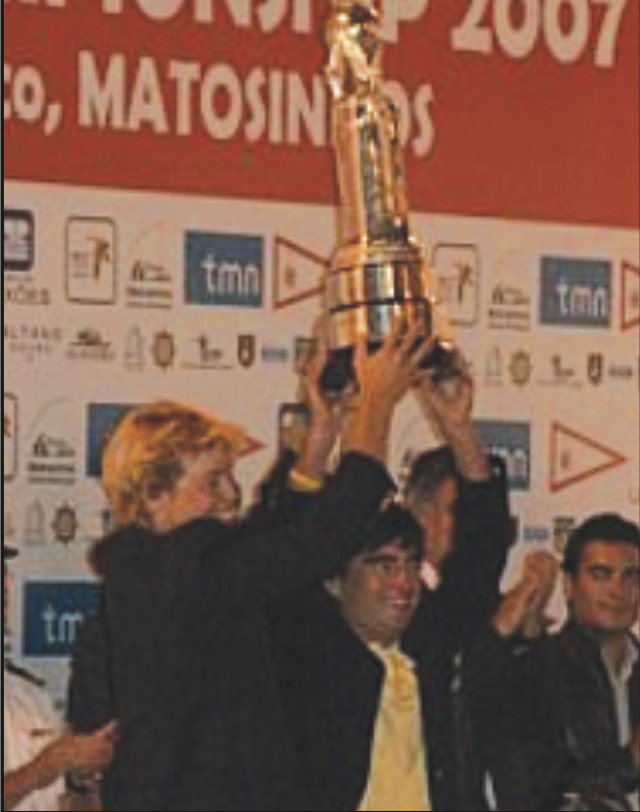
Although there seemed to be some grumbling amongst certain sailors, mostly those accustomed to racing in breeze, in the end after putting themselves in Race Committee Chairman Joao’s shoes, the best races under the circumstances were provided to the sailors and the sailors showed their talents in the light air.
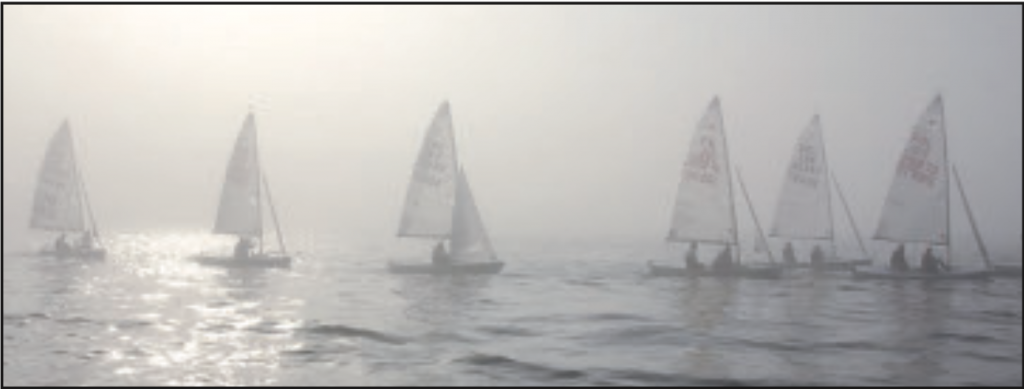
Above: a foggy day – almost “zero bisibility”
After the 2nd race, Abe/Yamachica were atop the leader board. The RC sent the competitors out to attempt a race. In light winds of 5-6 knots, 2 starts were attempted with a Z-flag penalty. At least 20 teams were caught in the fray, which carried over to the start on the final day, including Abe/Yamachica. With the pin end favored, the fleet began and sailed a light air race to complete the Championship.
No one could argue the regatta management led by Miguel Cardoso and his large crew of enthusiastic volunteers had arranged arguably the best regatta possible. Two large tents with plenty of lounging chairs, computer facilities, bars, port wine tastings from the local wineries and other amenities were the central “hang out” for the competitors. A large dock was built prior to the event where the majority of the fleet was grounded with ample launching facilities with many juniors ready to help with dolleys.
Many thanks to the multitude of volunteers in Portugal that made this event a success on and off the water!
“Most bizarre thing that has ever happened to me in a couple regattas actually is turtle sightings whenever I win an event. Immediately after I crossed the finish line and won my first Opti event, a turtle appeared. Then at the 2007 Snipe Worlds after Tomas and I won, a turtle appeared right after we crossed the finish line. A little weird don’t you think?”
The most bizarre thing that happened in a regatta?
Enrique Quintero: “Most bizarre thing that has ever happened to me in a couple regattas actually is turtle sightings whenever I win an event. Immediately after I crossed the finish line and won my first Opti event, a turtle appeared. Then at the 2007 Snipe Worlds after Tomas and I won, a turtle appeared right after we crossed the finish line. A little weird don’t you think?”
Read also:
2009 Snipe Worlds – XLIV – San Diego, California, USA, September 4-12, 2009
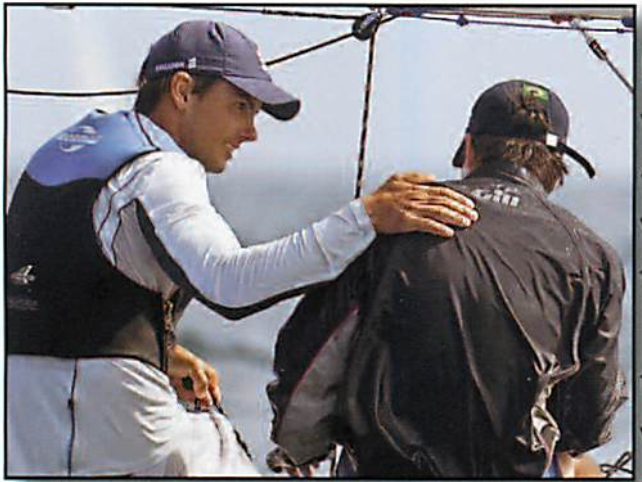
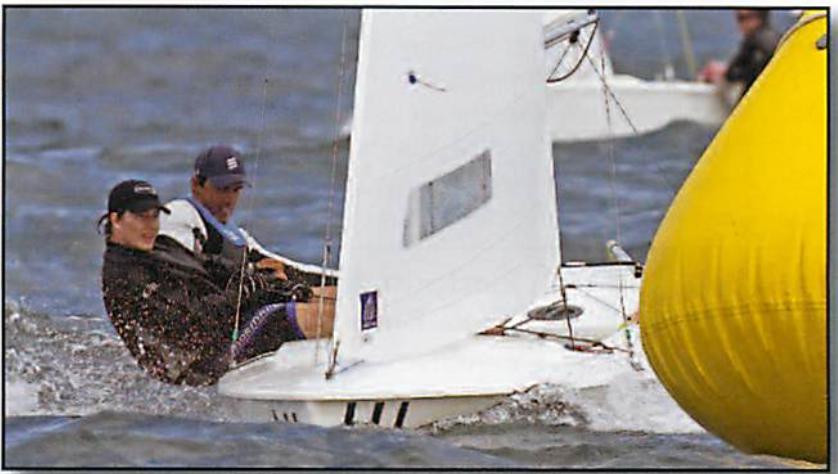
Bruno Bethlem and super crew Dante Bianchi finally accomplished their dream of winning the Snipe Worlds. The title has eluded them for the past few Worlds, but hard work, time in the boat and smart sailing gave them the title with a race to spare.
Brazilians Bethlem & Bianchi the Best! – Snipe Bulletin Fall 2009
Bruno Bethlem and super crew Dante Bianchi finally accomplished their dream of winning the Snipe Worlds. The title has eluded them for the past few Worlds, but hard work, time in the boat and smart sailing gave them the title with a race to spare.
Forty-nine teams representing eighteen countries traveled around the globe to determine the 2009 Champions. Past world and hemisphere champions as well as the 3-time junior world champions were on the race course where the competition was as tough as the conditions — light and shifty winds off San Diego and the Pacific Ocean with its own curves to throw with swells, current and the ever present kelp.
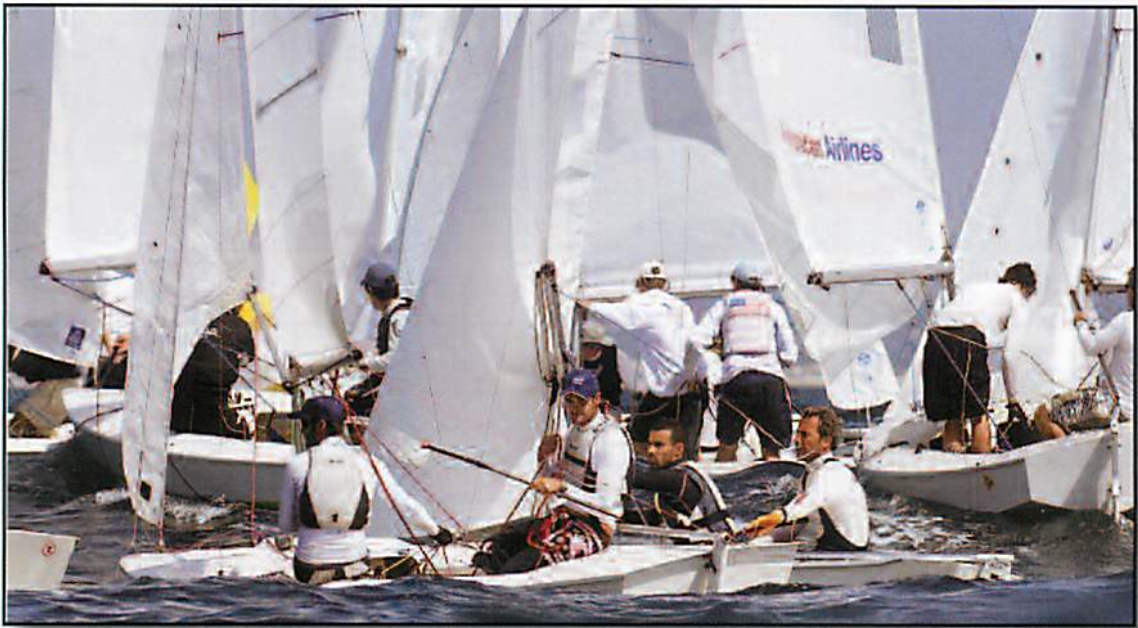
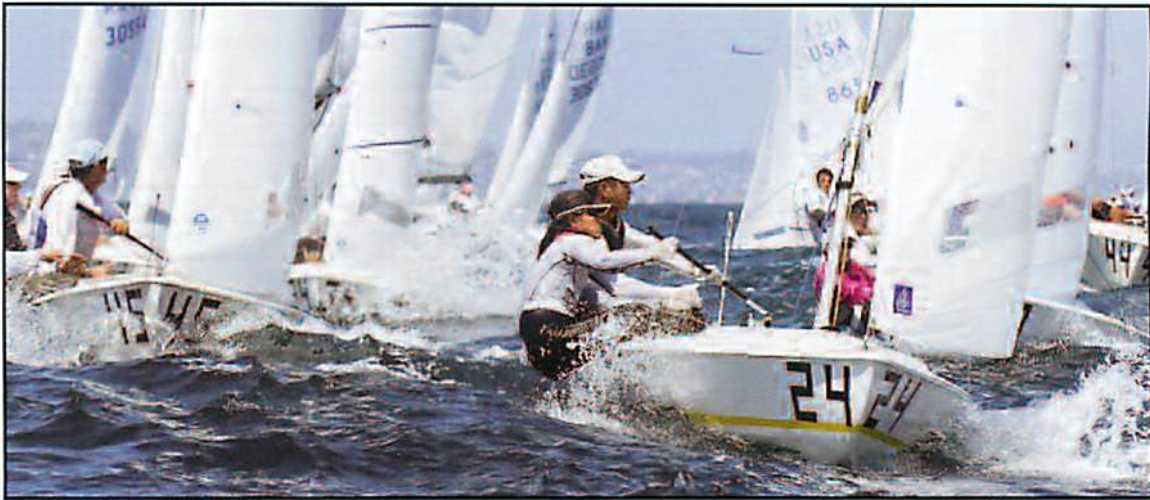
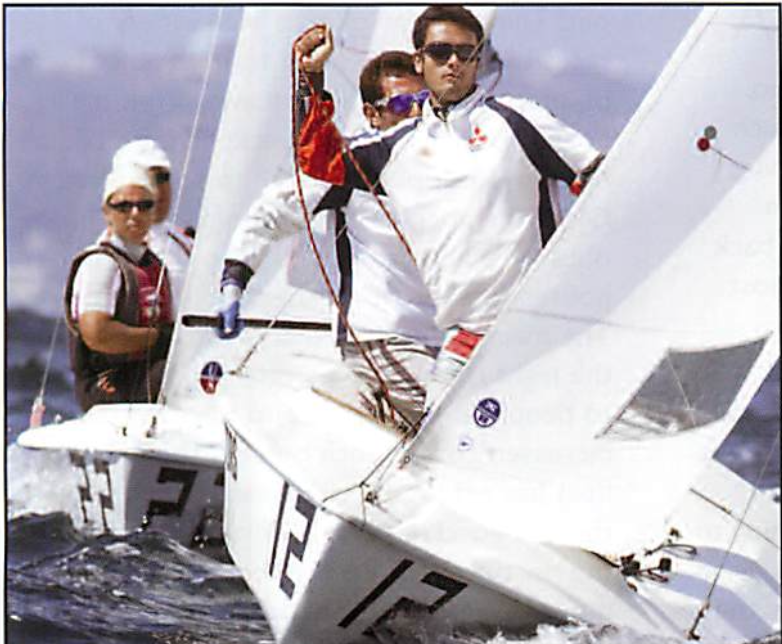
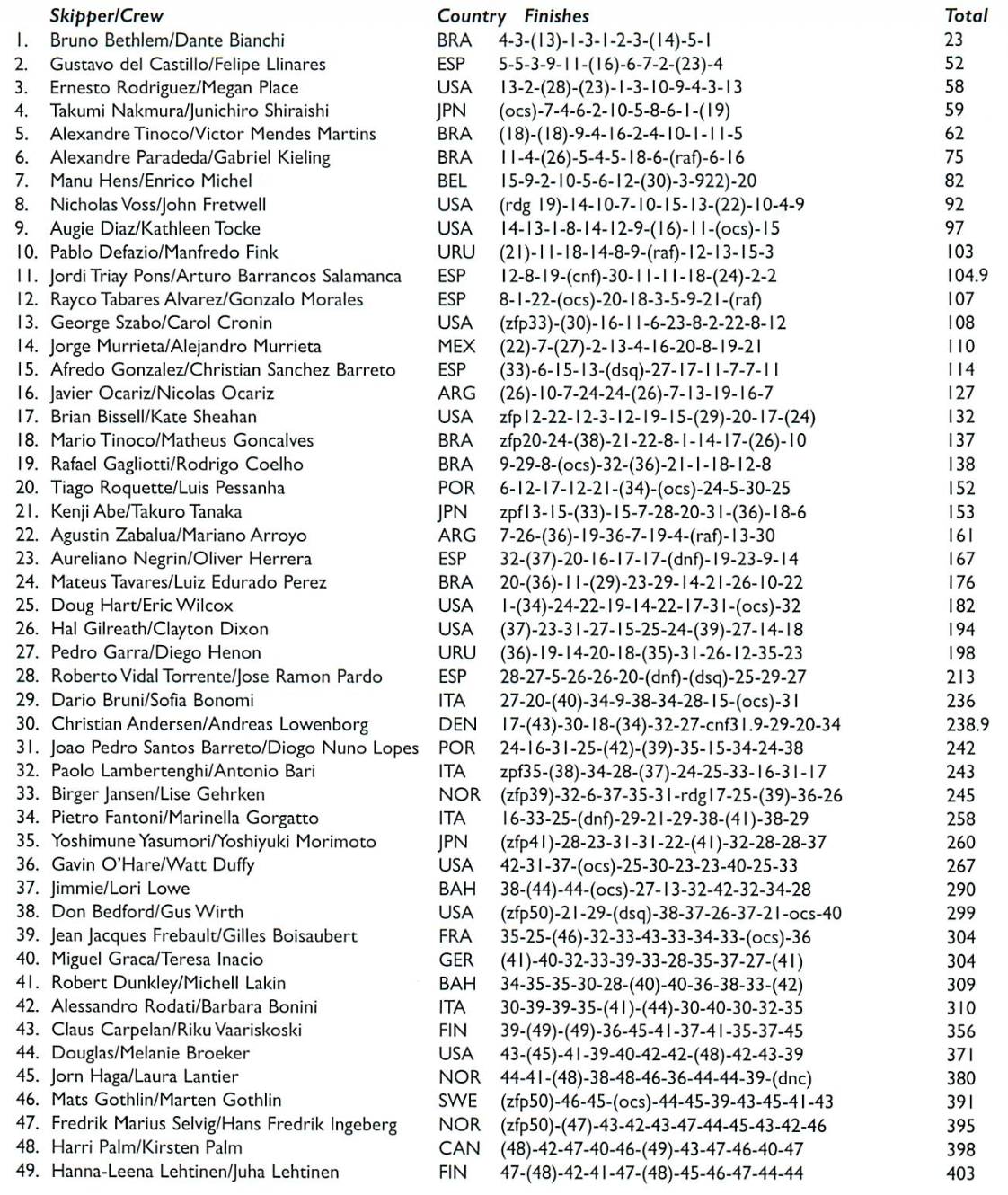
The Junior World competitors seemed to have the better part of the wind conditions as the Senior World sailors conditions were in the 8-14 knot range for the week. Spaniards Gustavo del Castillo Palop and Felipe Llinares Pascual opened the regatta leading after 3 races with a 5-5-3. The rest of the leaders scored at least one double digit race for the day. Day 2 brought southerly winds that decreased during the day but the hemisphere champions from Europe and the western hemispheres were at the top of the leaderboard: del Castillo/Pascual and Bruno Bethlem and Dante Bianchi of Brazil.
The third day found 2 more races and figured in a drop race, moving Bethlem/Bianchi into a 25 point lead over the 49 boat fleet. More breeze, kelp and swells were the challenge on the course for the day. Day four produced more consistent wind in the 12-15 knots range with a few puffs to 16 and Bethlem/Bianchi again increasing their lead. The race was forming in the next tier where only 10 points separated 2nd through 6th place with 5 countries battling for the podium.
The final two races of the regatta saw a few positions in the top 10 shuffle around, but Bethlem/Bianchi were able to secure the title with a race to spare. Del Castillo/Llinares sailed a drop and a 4th to give them 2nd overall while Ernesto Rodriguez/Megan Place of the US and Takumi Nakamura/Junichiro Shiraishi of Japan, battled it out for 3rd. The Japanese who had sailed a solid regatta only to have a bad last race, settled for 4th overall. Rounding out the top 5 were Alexandre Tinoco and Victor Mendes of Brazil.
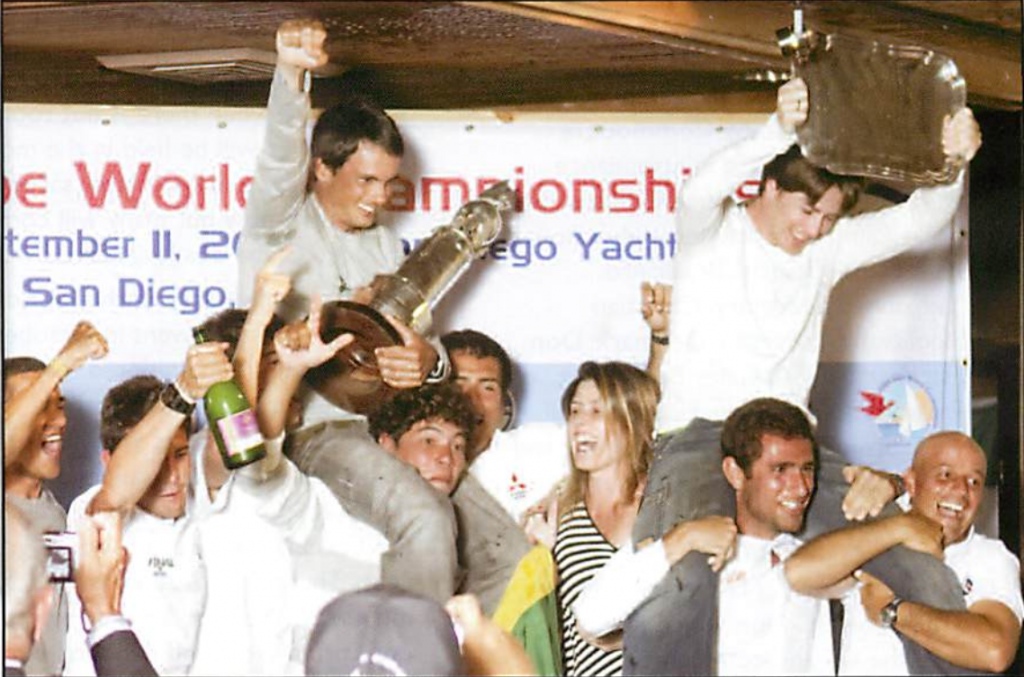
The social scene found Serious Sailing, Serious Fun the theme. The locals organized tastes of local flavor including wine tasting, local swordfish grill, tacos and a visit to Old Town San Diego. The prizegiving after party was epic. Joyous celebration as only the Brazilians can do was contagious for all. The party spilled onto the deck of SDYC where a band played under the stars into the night with sailors and fans dancing into the wee of the night.
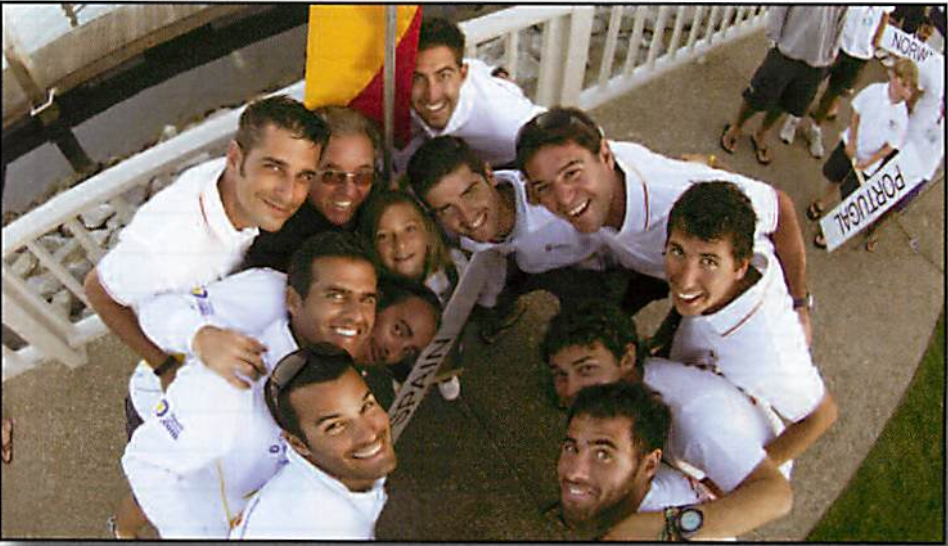
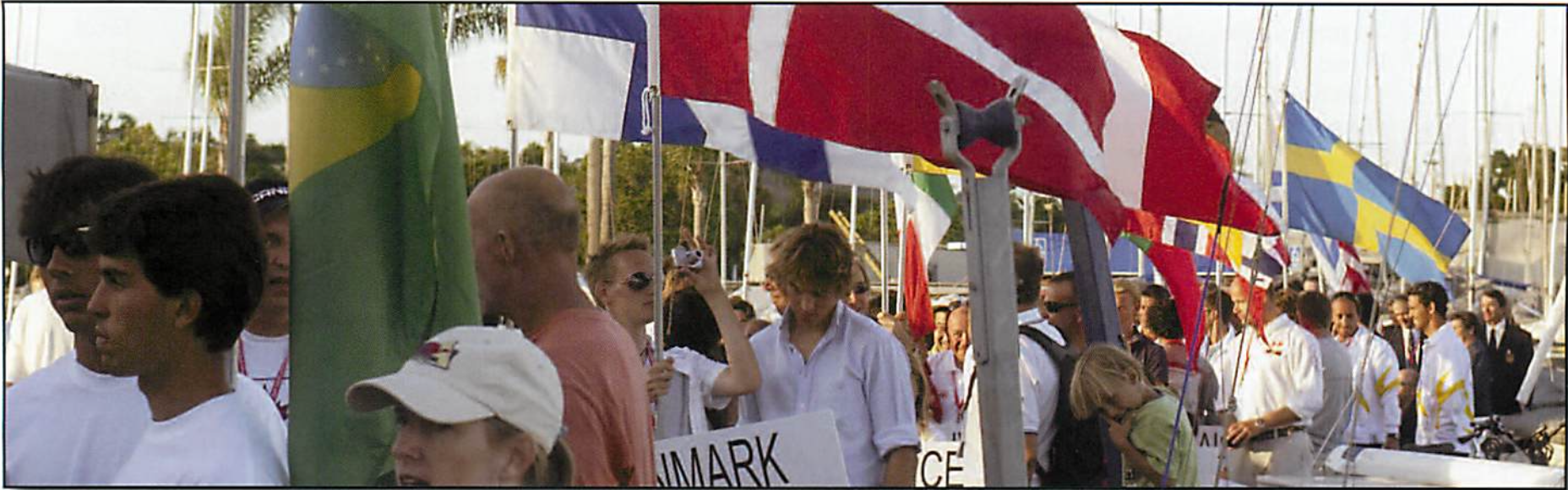
On to Denmark where the 2011 Worlds will be held in Rungsted. Sailors and fans can bet the European and Western Hemisphere events will be very competitive in the coming year!
Read also:
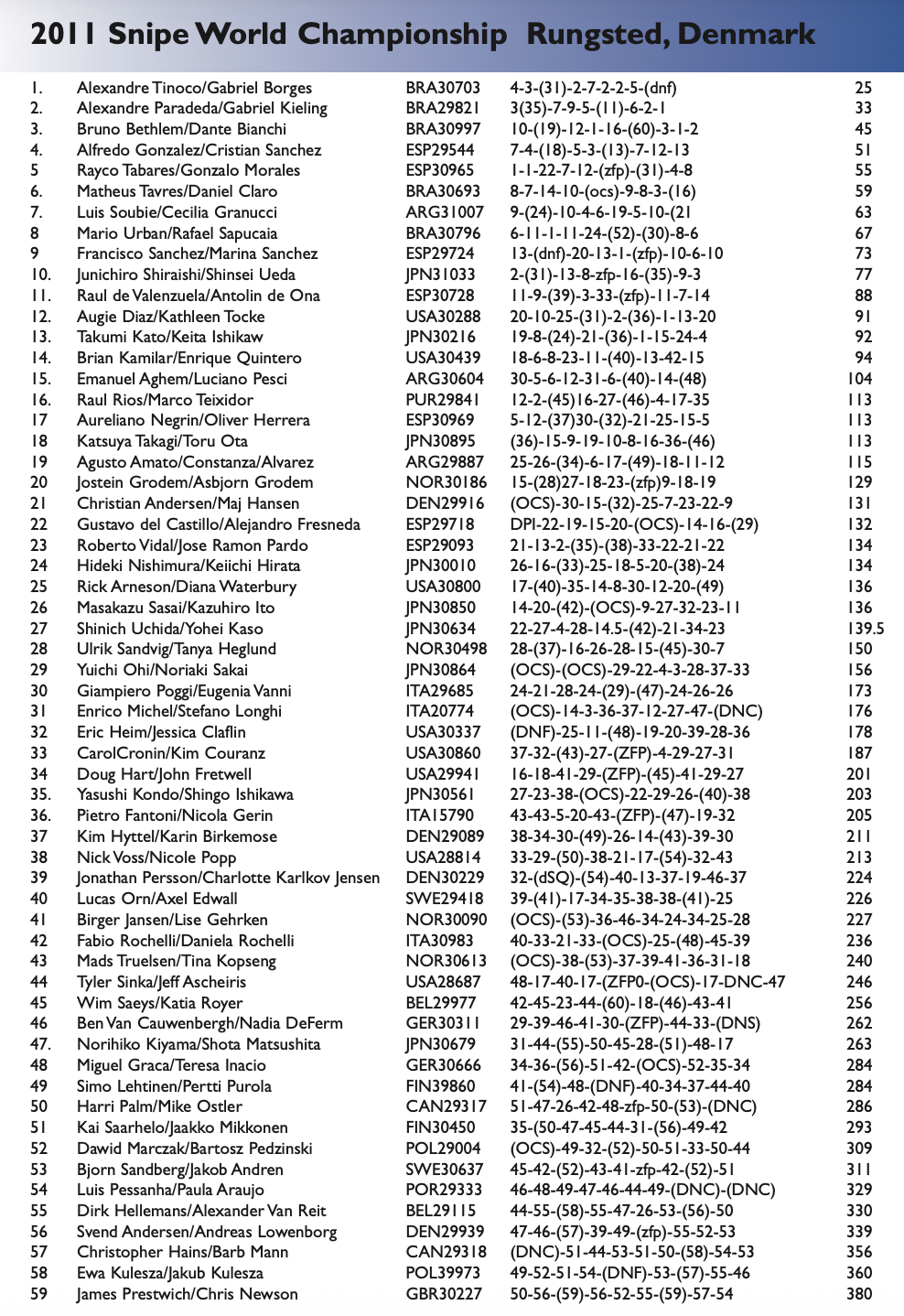
2011 Snipe Worlds – XLV – Rungsted, Denmark, August 6-13, 2011
The real story was the unpredictable breeze. While the locals told us “It’s never like this here,” we saw everything from drifting to planing conditions—sometimes all in the same race. And the breeze blew from a completely different direction on three of the four race days.
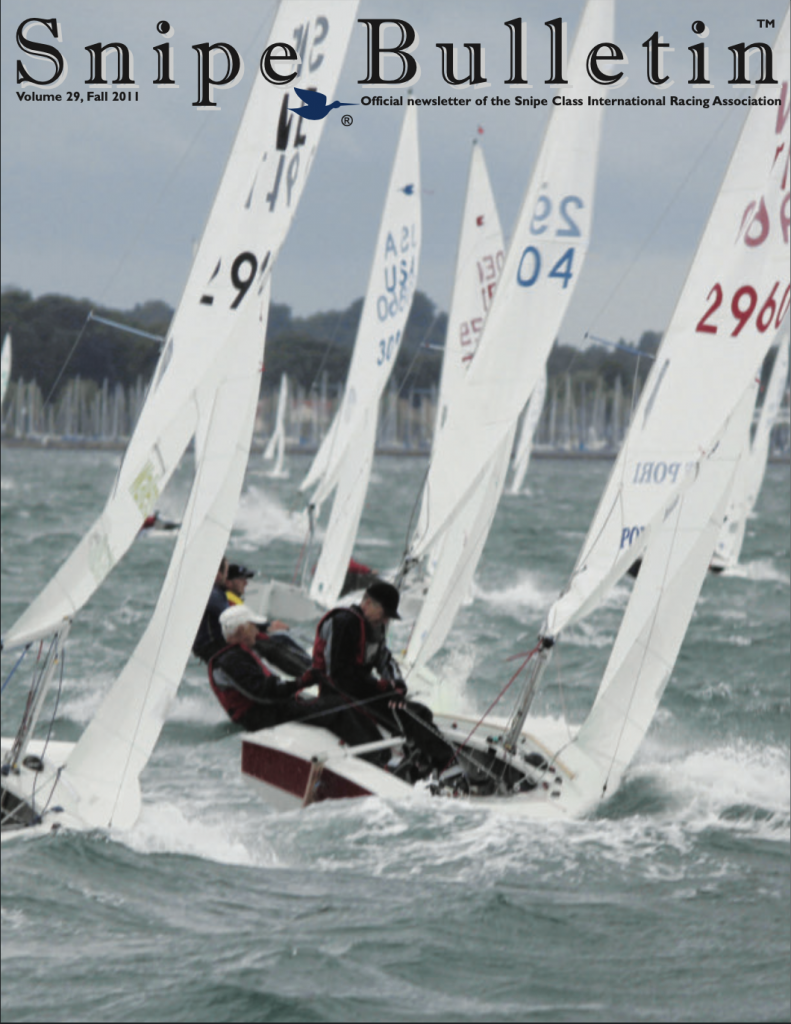
Snipe Worlds 2011: A Brazilian Sailing Lesson – Snipe Bulletin Fall 2011
By Carol Cronin
In twenty years of Snipe sailing, I’ve crewed in two Worlds (1993 and 2009). For 2011 I qualified as a skipper, with crew Kim Couranz. We really enjoyed the whole experience and came away newly impressed with the international depth and camaraderie of our “serious but fun” class. Here’s our take on the event.
With three teams on the podium, and all five teams in the top ten, Team Brazil certainly gave the rest of us a schooling in Snipe sailing. That said, they did it so graciously that it was hard to complain. And with such difficult racing, hosted by the Royal Danish Yacht Club (KDY) in Rungsted, Denmark, these sailors certainly earned the respect of their competitors.
Fifty-nine boats from eighteen countries were on the starting line for what most expected to be a light air regatta. The real story was the unpredictable breeze. While the locals told us “It’s never like this here,” we saw everything from drifting to planing conditions—sometimes all in the same race. And the breeze blew from a completely different direction on three of the four race days. Teams were rewarded for keeping their eyes open, since it was often possible to spot massive wind lines before they filled.
Temperatures were typical for northern Europe in August, but the rainfall was a bit more than normal. On day two we received 80 percent of the usual rain for the entire month of August. Which supplied another reason for the locals to tell us, “It’s never like this here.”
The sailing was also challenging because of the chop, which was always well ahead of whatever breeze was blowing. Denmark is not known for its beaches, and there is very little soft shoreline to absorb the waves of the Oresund. By day three it felt like we were sailing through the waves of the previous two days plus enjoying a fresh set from a different direction to top it all off.
Like all World Championships, the regatta was won long before the first gun. All-out hiking and repeatable fast rig settings were the only way to achieve Worlds-respectable speed, which meant both boat and bodies had to be prepared well in advance.
For those of us chartering boats, boat prep was made all but impossible by sharing boats with the Junior Worlds (which ended the day before our practice race). Although it was light until after 9pm, there was seldom any wind by the time the Juniors were off the water. So training time was drastically reduced. But it was great to see the high caliber of racing from the Juniors, over a range of difficult conditions.
On the first day of racing for the Senior Worlds, the fleet arrived at KDY for what we knew would be a long wait. The race committee headed out to check the breeze in a high speed powerboat, and came in to report “steady 26, gusts to 36 knots.” They immediately postponed until 2pm, freeing teams to leave the area for lunch. With rain in the boat park, most of us chose to hang out inside and enjoy the free KDY wireless.
At 2pm, the start was postponed again, and again at 3pm. At 4pm conditions were deemed tolerable, and in fact a short lull teased many teams into changing back to light to medium settings and sails. This proved to be a mistake, since race one was sailed in a puffy, shifty, 15-29 knot westerly. The first bullet was taken by Spain’s Rayco Tabares/Gonzalo Morales, with Junichiro Shiraishi/Shinsei Ueda (JPN) finishing second. In 3rd and 4th lurked Team Brazil’s Alexandre Paradeda/Gabriel Kieling and Alexandre Tinoco/Gabriel Borges.
On day two (the one with 80 percent of the August rainfall) we completed three races in 8-14 knots and were back on shore again by 4:15pm, the time we’d left the dock to race the day before! All day the breeze filled and ebbed from both sides, and nobody got it completely right. Mario Urban/Rafael Sapucai moved into the lead with an 11, 1, 11; the first race was won by Rayco Tabares/Gonzalo Morales from Spain, who finished 32nd in the second race but still moved into 2nd overall. Tinoco/Borges fell to 4th with a 3, 31. Bruno Bethlem de Amorim/Dante Bianchi (BRA) won the last race of the day after a 19, 12 to start.
Day 3 started out with beautiful sunshine and an 8-10 knot breeze that tempted us into leaving the dock early. Much to our dismay, we were called back into the harbor by a race official who said something about a Snipe being stolen. The true story was that one of the Spanish teams’ passports had been stolen, so racing had been postponed for one hour to permit a trip to the embassy. (No, really.) We stood around in our wetsuits, wishing we were out enjoying the perfect breeze.
By the time we left the dock it had built to about 12 knots, but that proved to be short-lived; by the end of the first race, which was won by Bruno Bethlem de Amorim/Dante Bianchi, the breeze was back down to 6-7 knots. And the thick clouds had moved in again, dropping the temperatures.
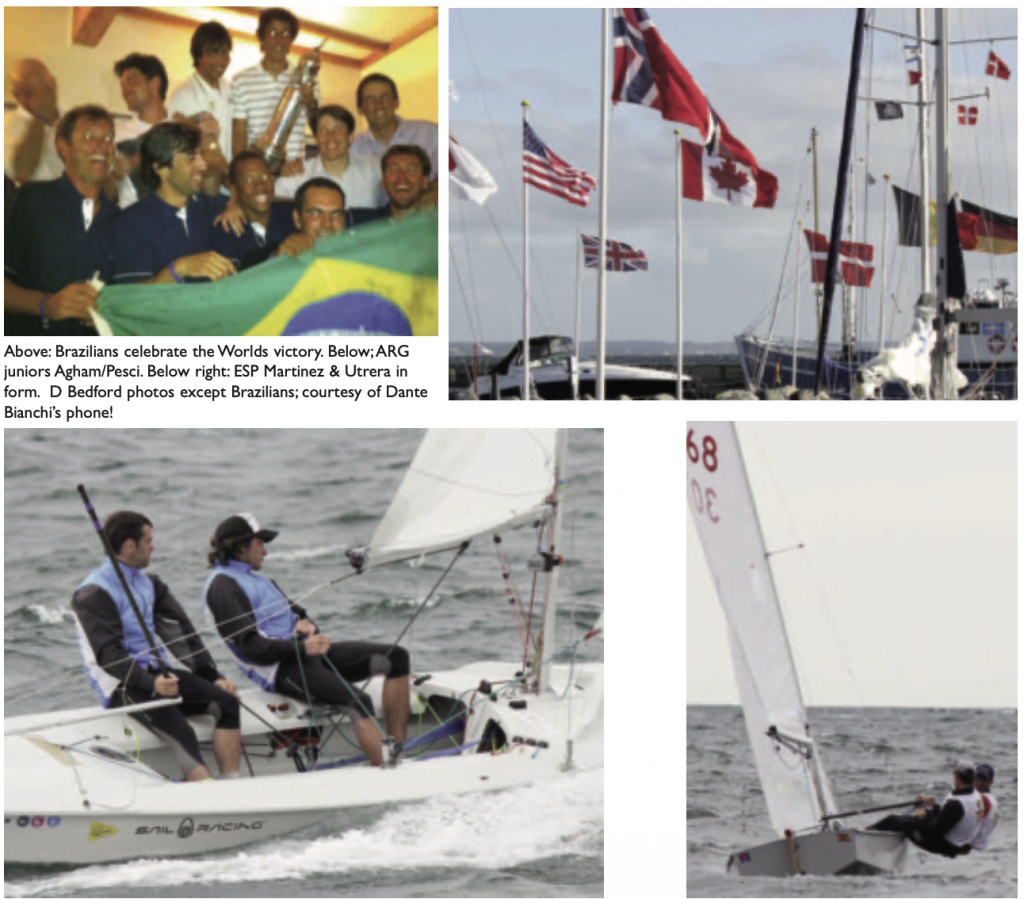
The race committee managed to fit in one more race before the breeze became too unstable, though back on shore many talked about trying to have the day’s second race (with its 30 degree right shift on the middle beat) thrown out. Though this was the most radical shift of the week, it was not the only time a line of fresh breeze dominated one side of the course.
Day 4: With only six races on the scoreboard, the race committee changed the schedule to permit 3 races. Though it made for a long day, there were no complaints; the breeze built to 16 knots and we had our first reaching of the week. Team Brazil showed their speed off the wind, and with the championship secure Tinoco/Borges were able to sit out the last race. Sharing the first and second spots in the final two races, Paradeda/Kieling and Bethlem/Bianchi more than earned the respect of the rest of the fleet for their podium positions.
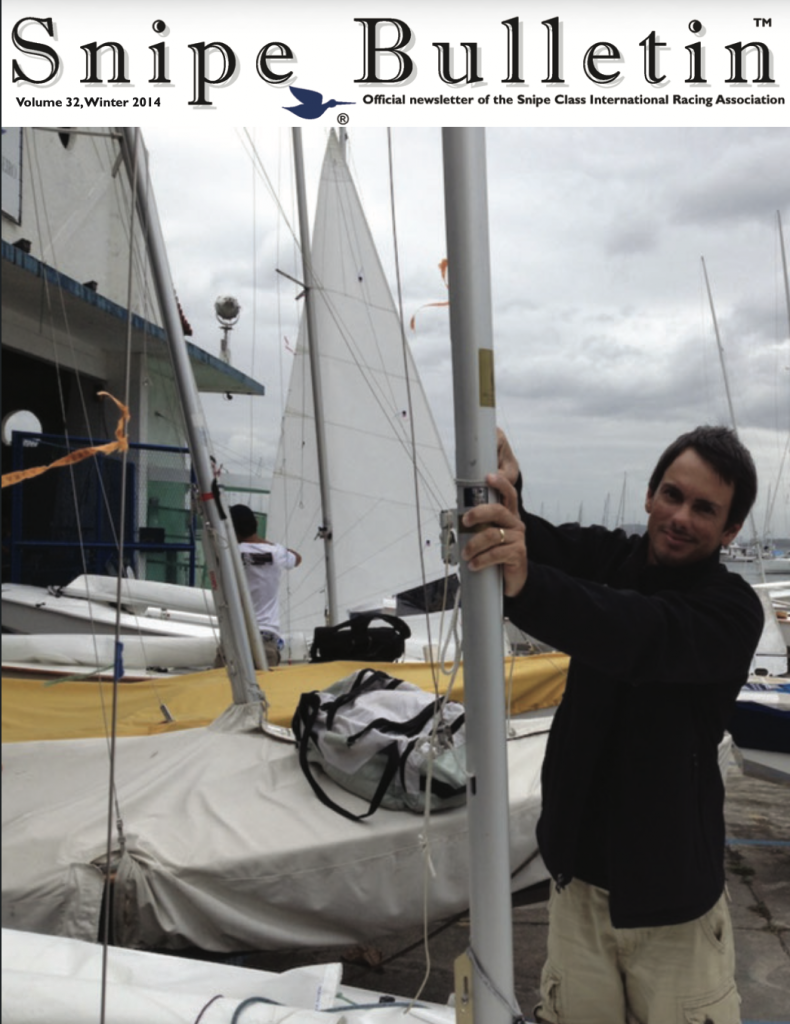
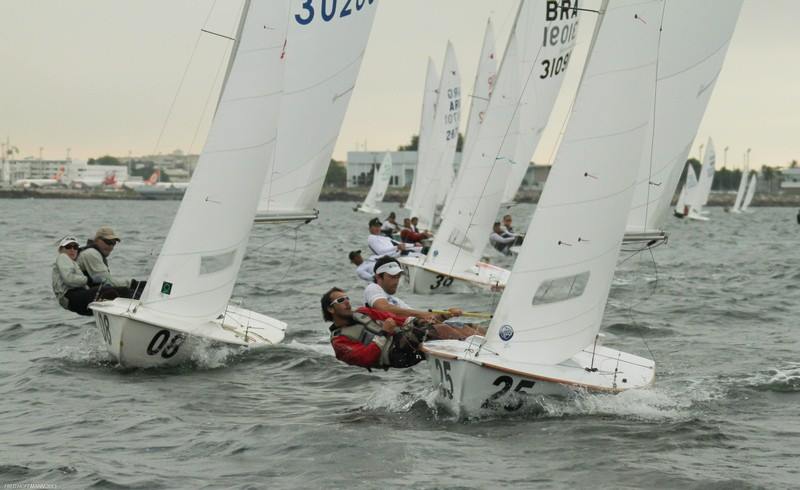
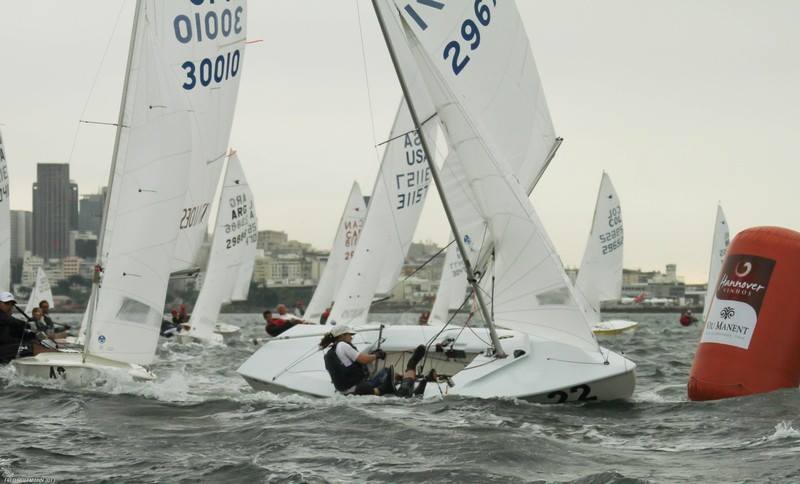
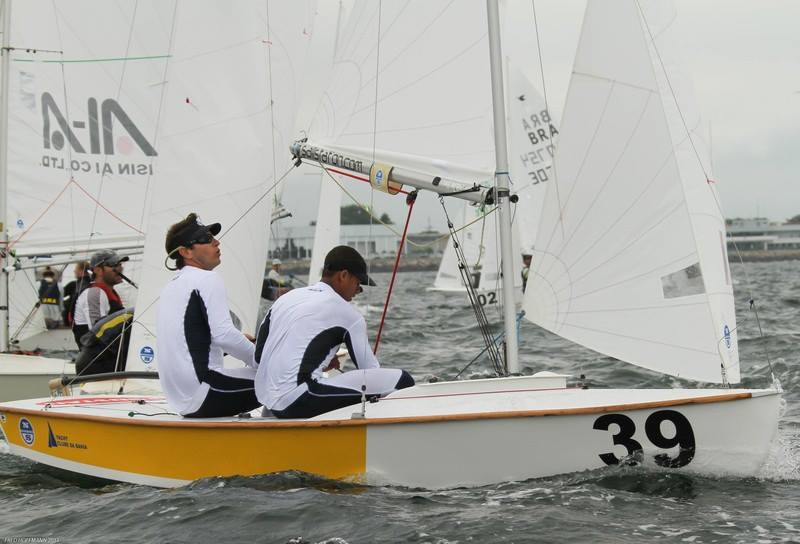
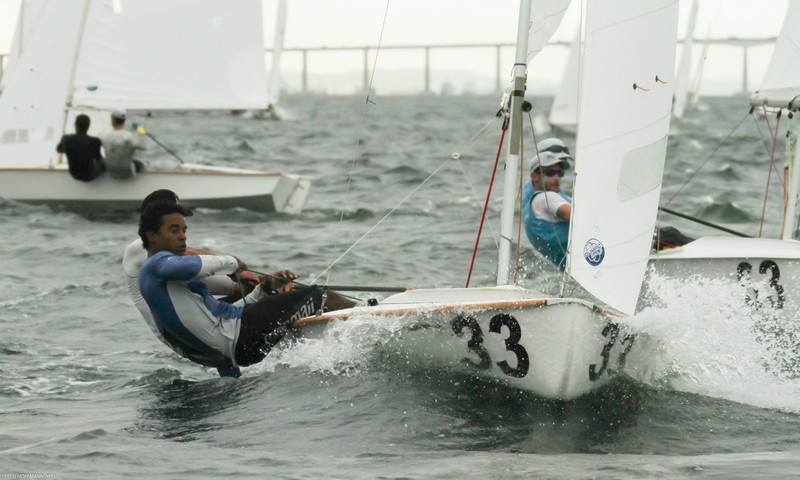
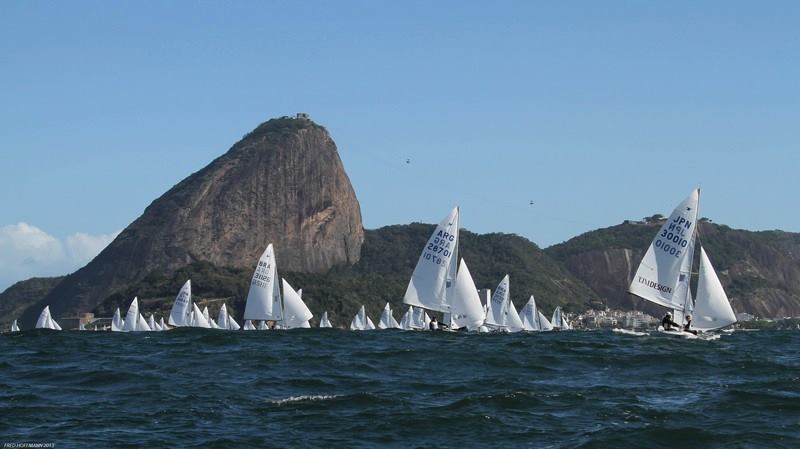
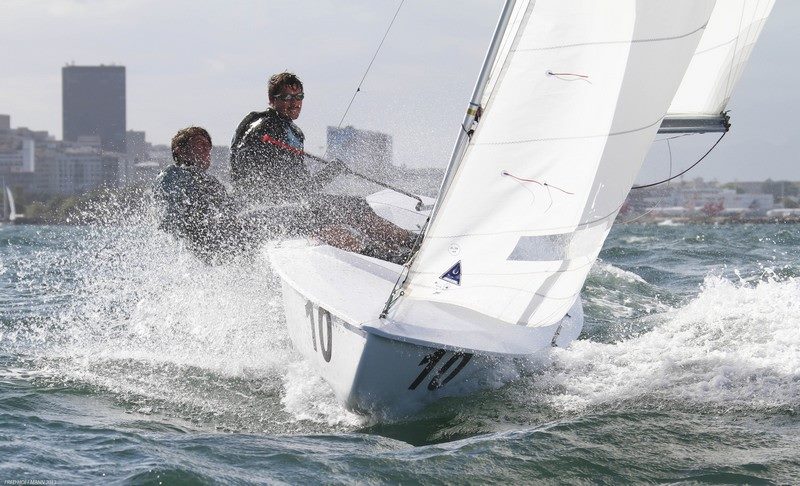
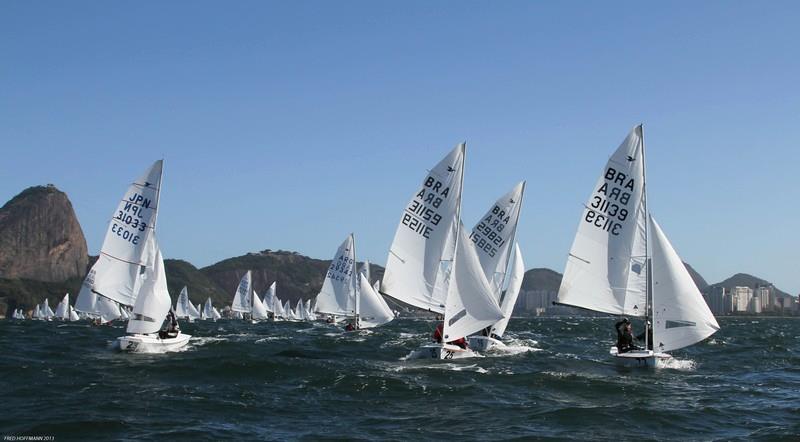
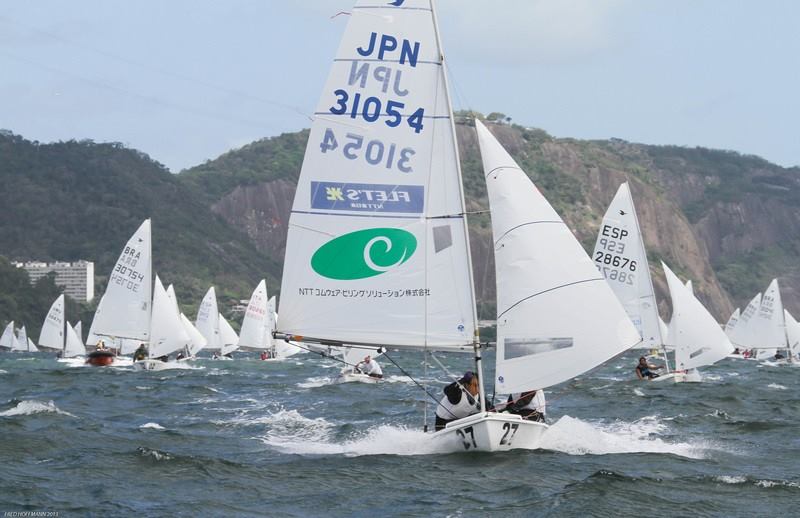
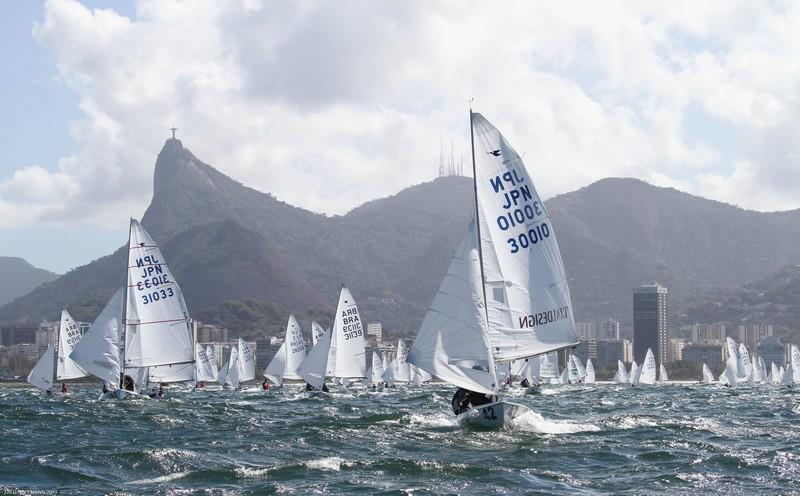
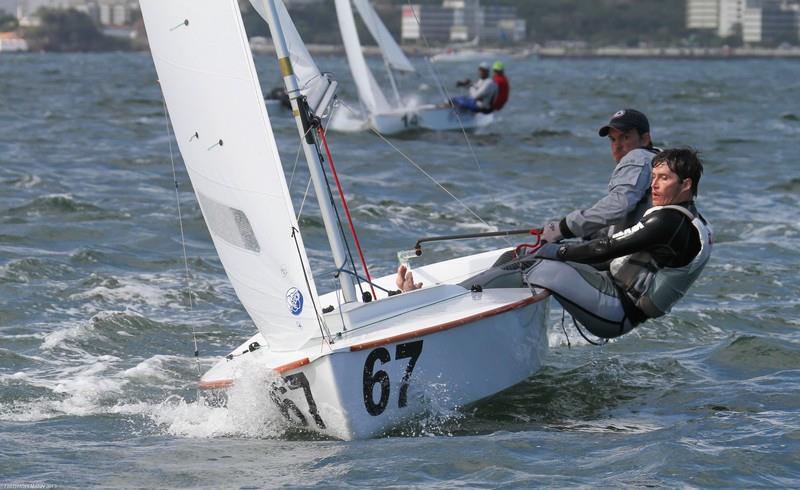
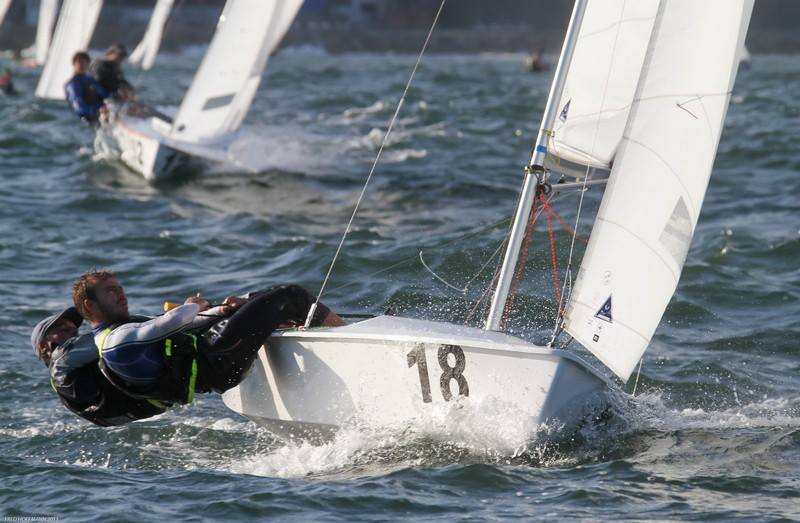
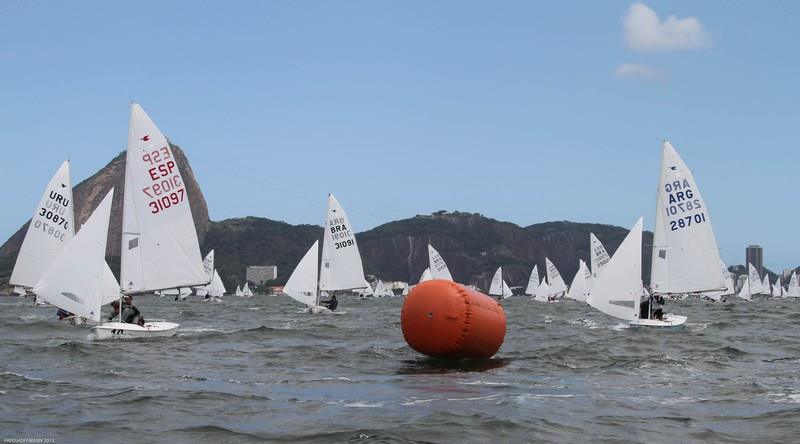
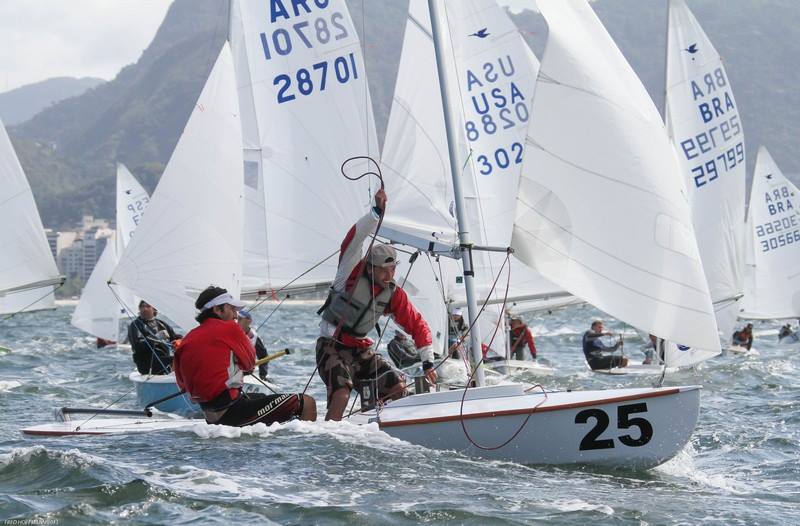
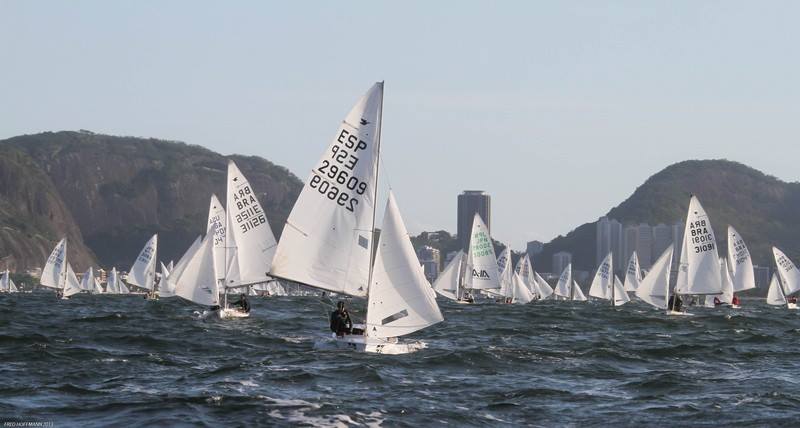
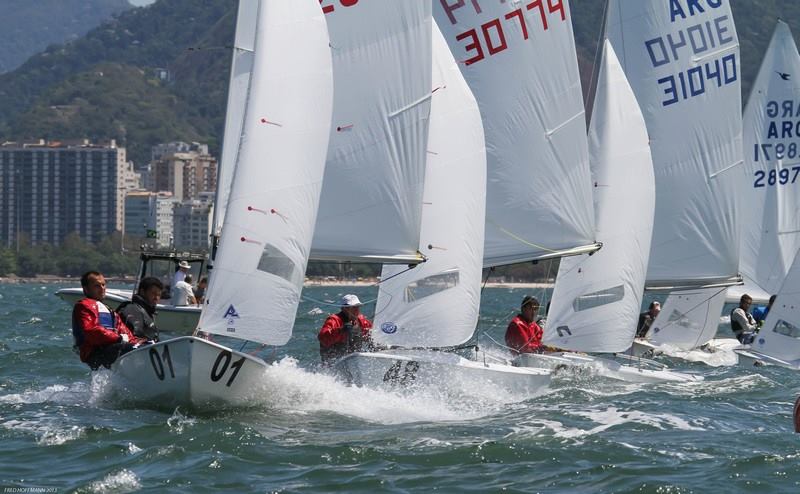
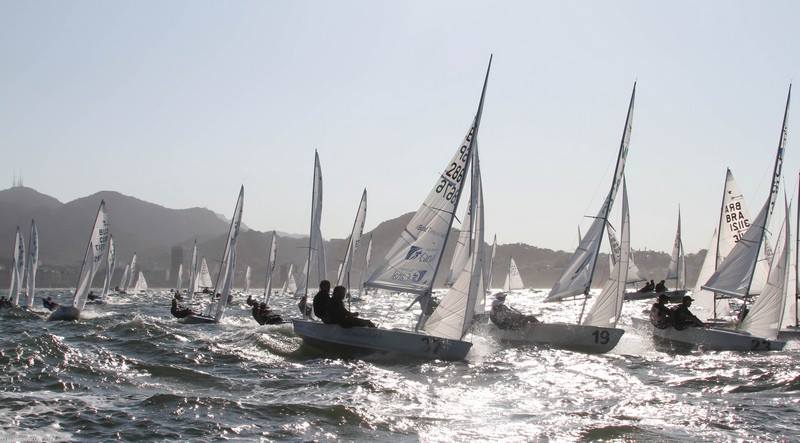
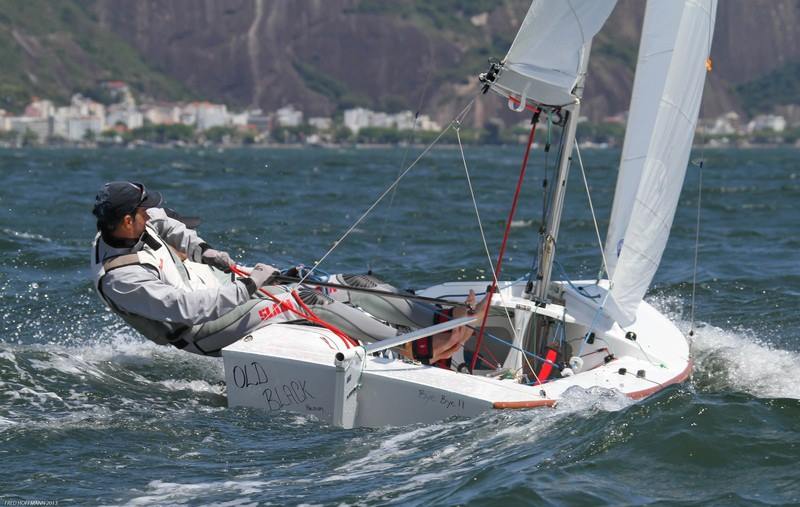
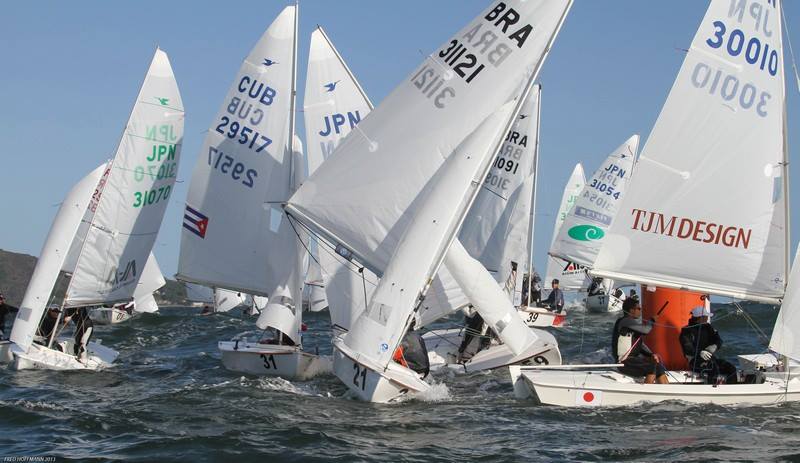
2013 Snipe Worlds – XLVI – Rio de Janeiro, Brazil, September 6-13, 2013
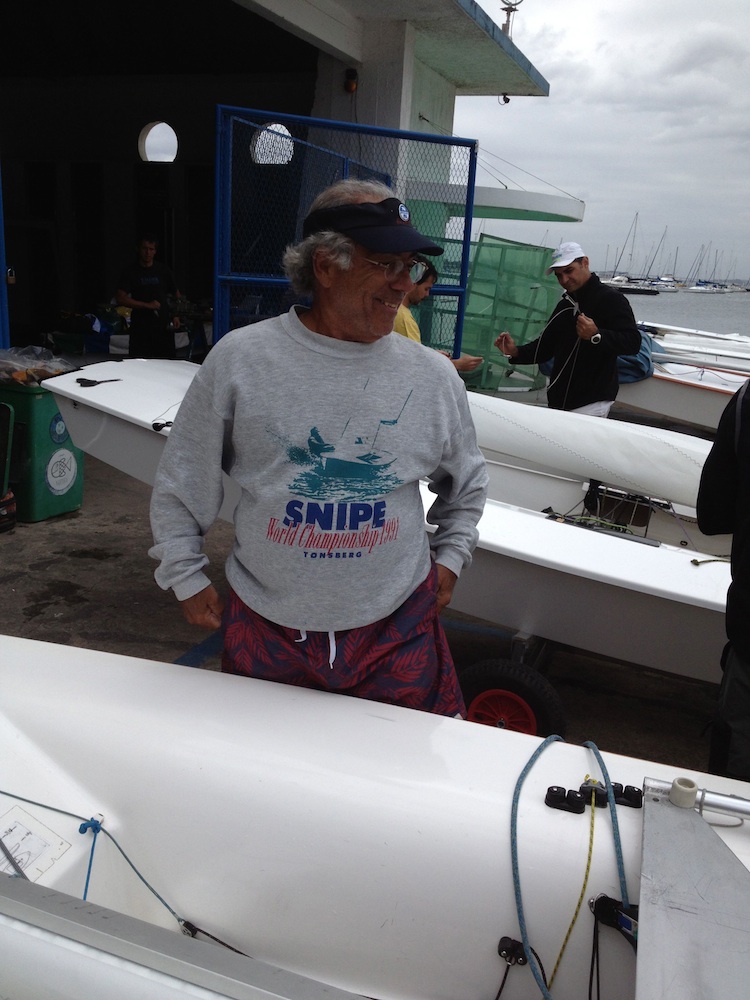
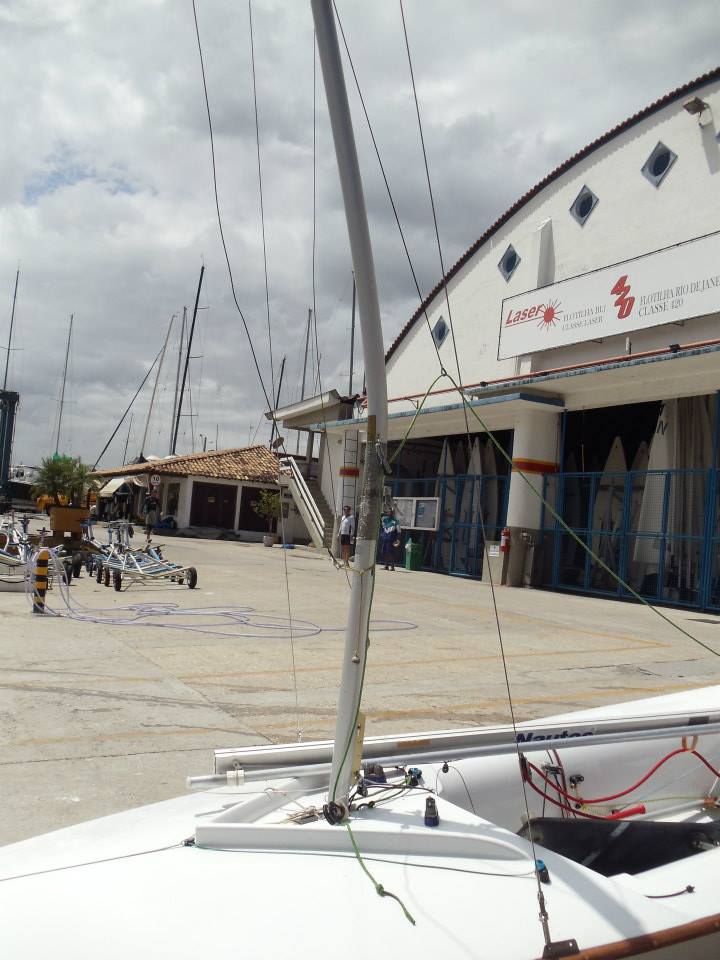
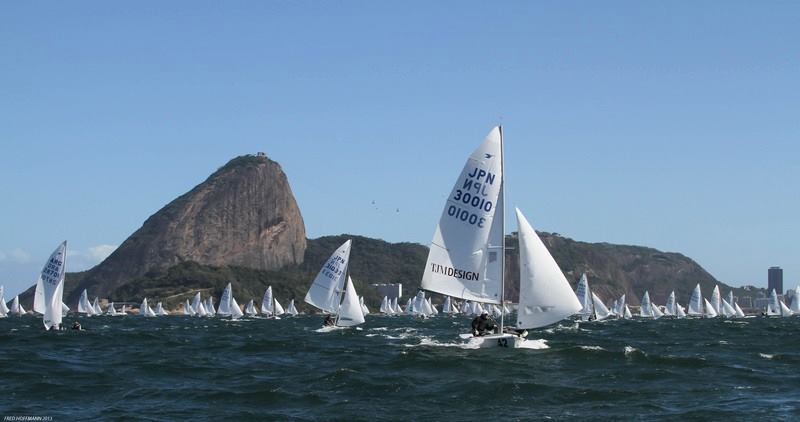
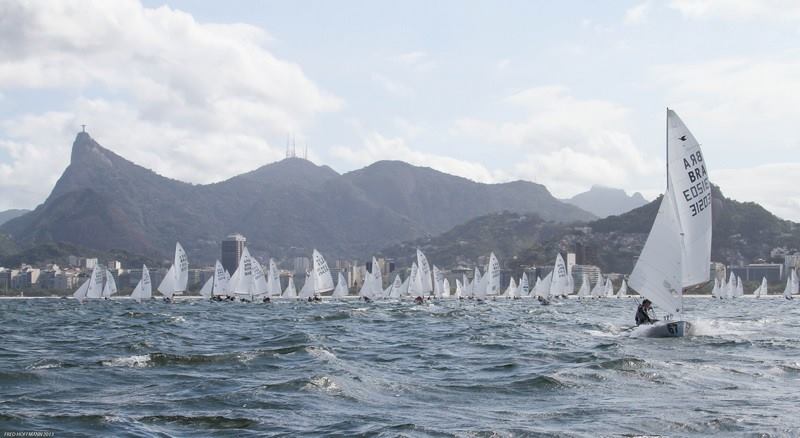
42 years later, the Snipes again in Rio for the Worlds
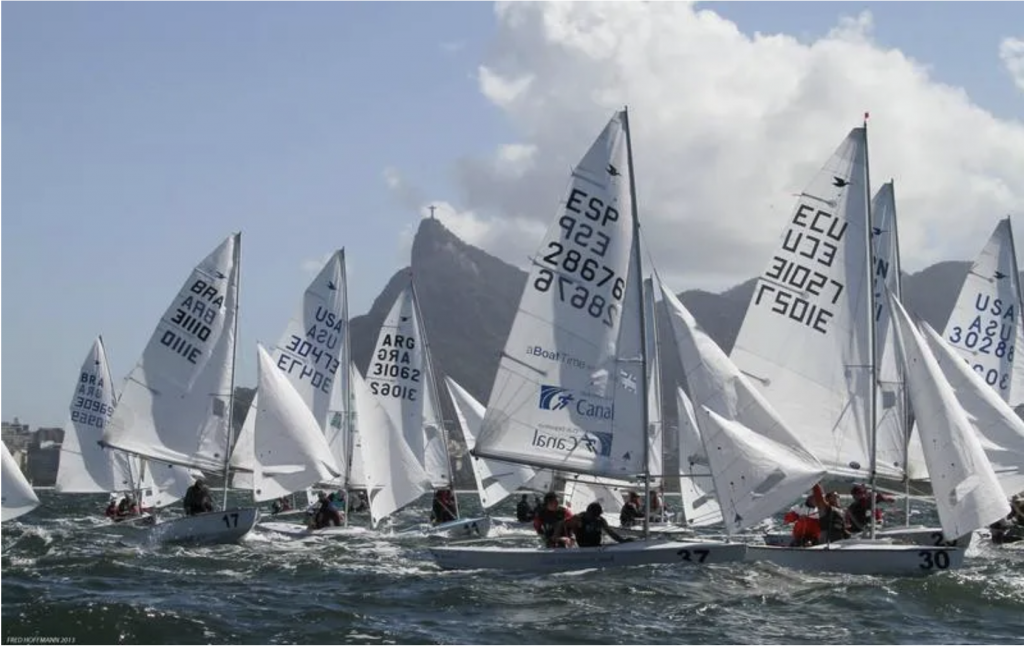
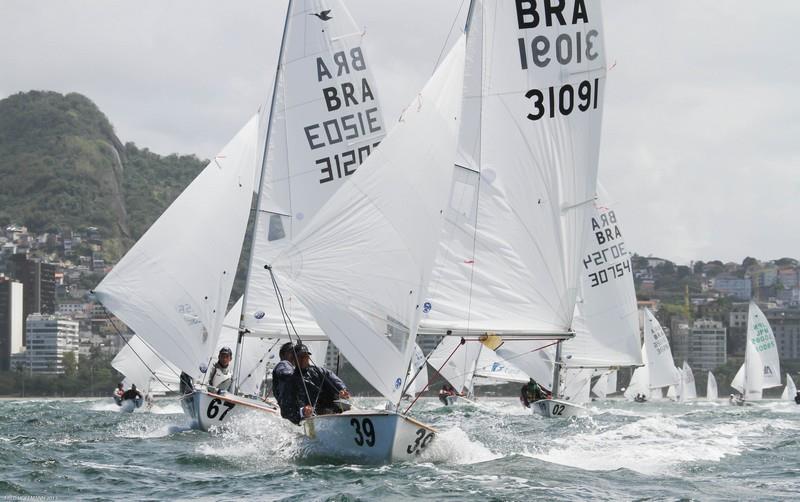
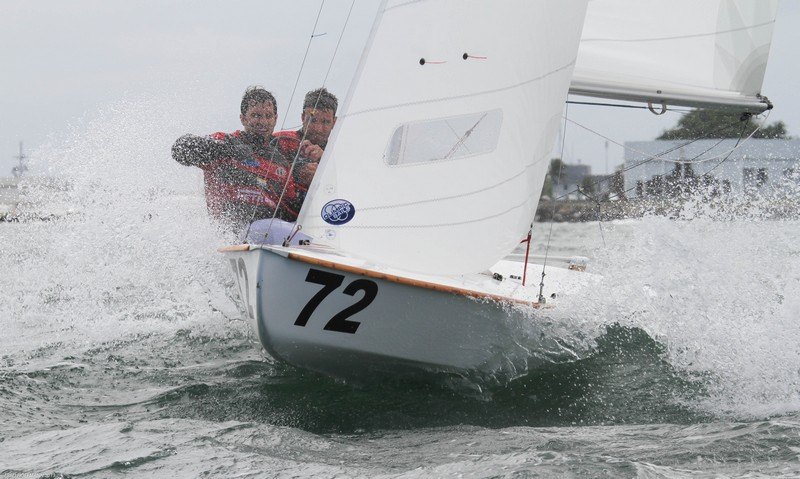
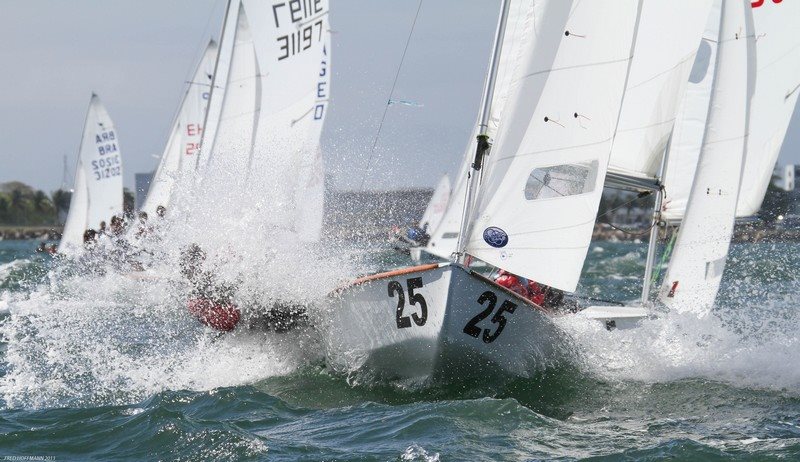
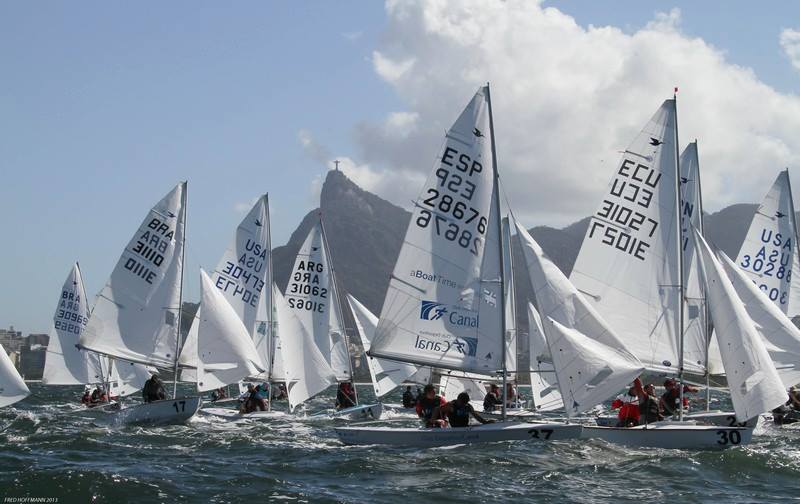
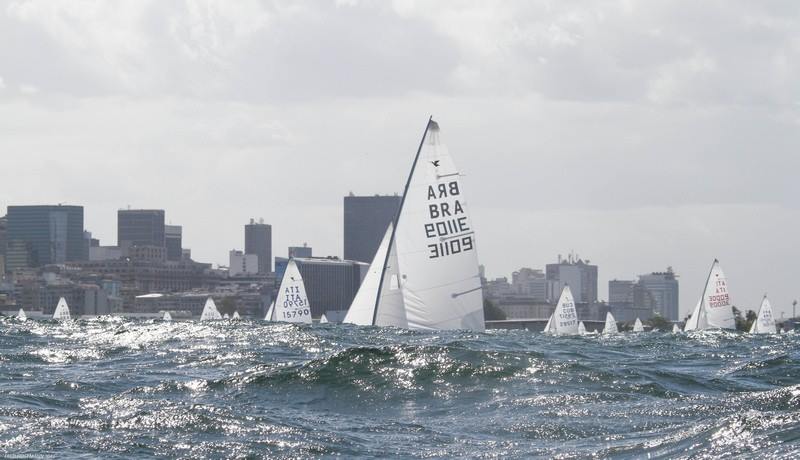
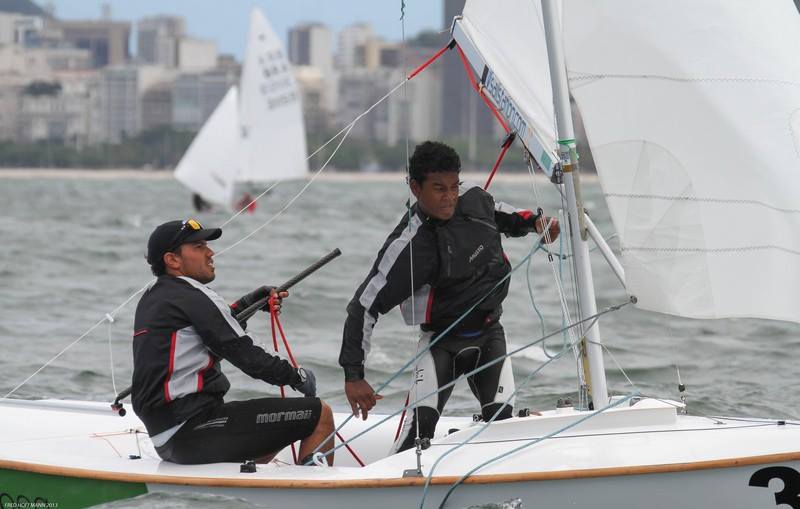
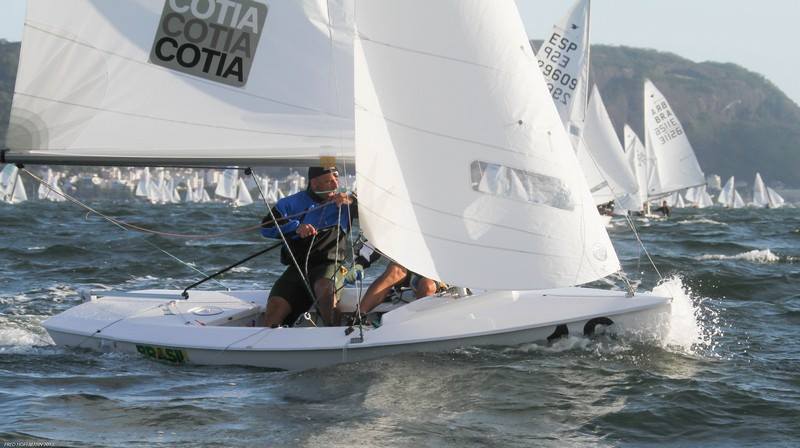
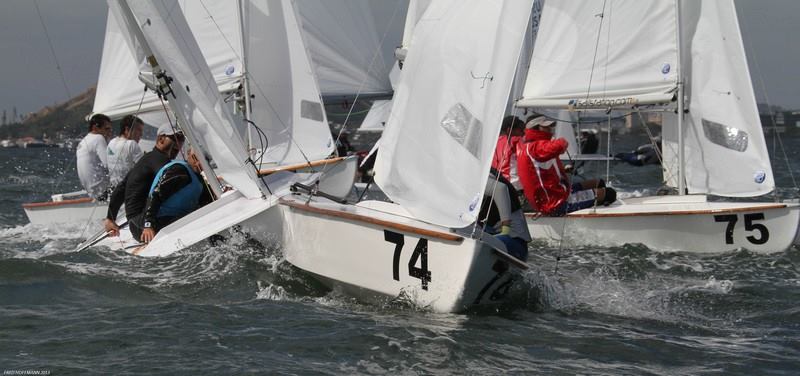
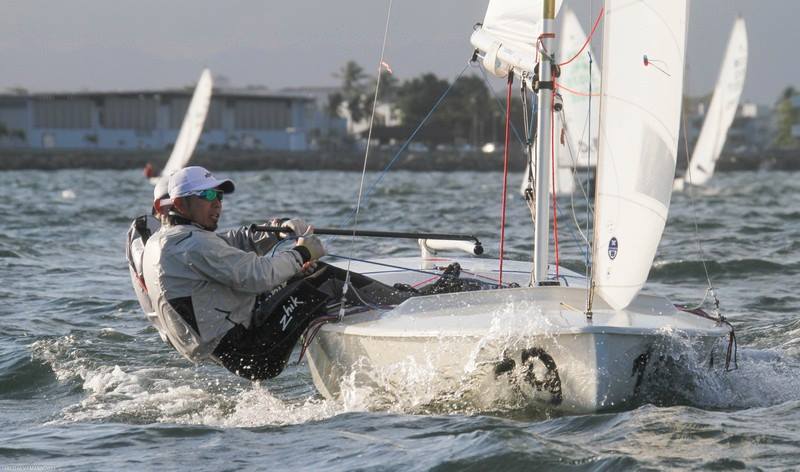
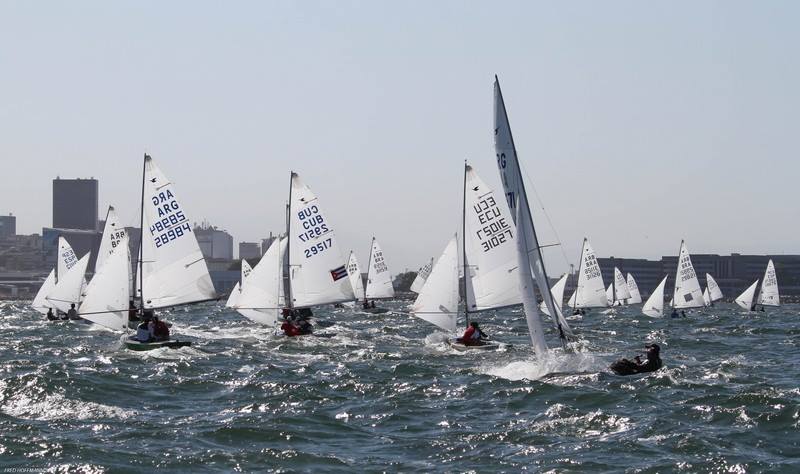
The host team of Brasil also showed their domination with taking eight of the top ten positions
2013 Snipe World Championship, Rio de Janeiro, Brazil – Snipe Bulletin Winter 2014
By Don Bedford
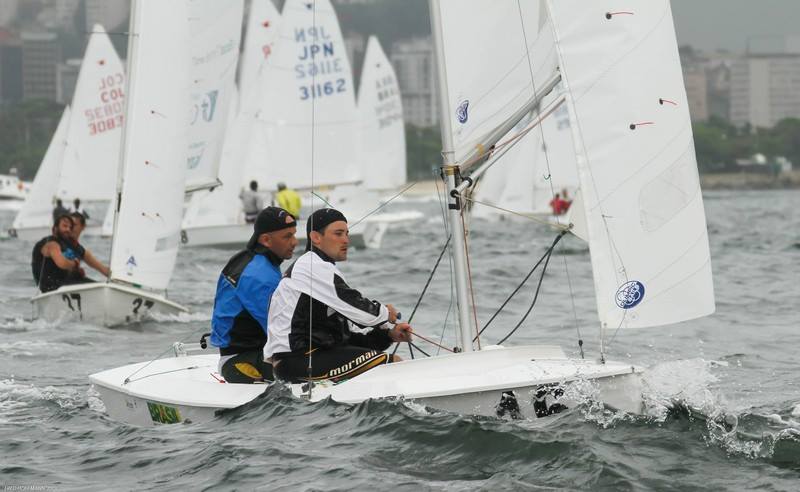
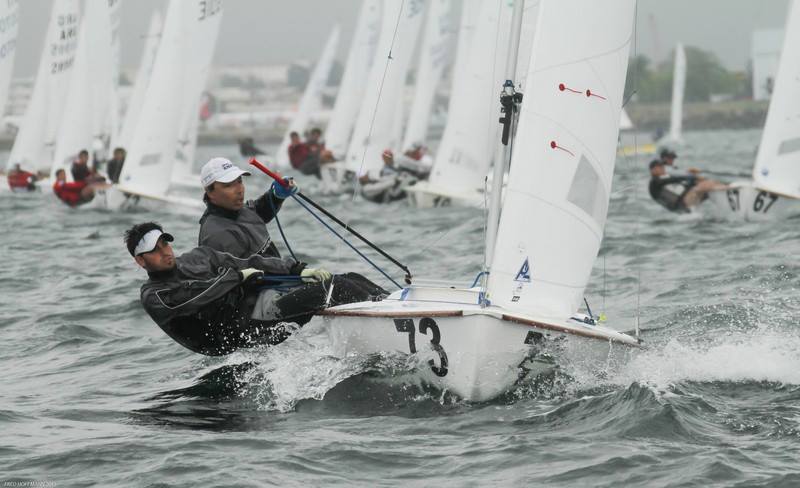
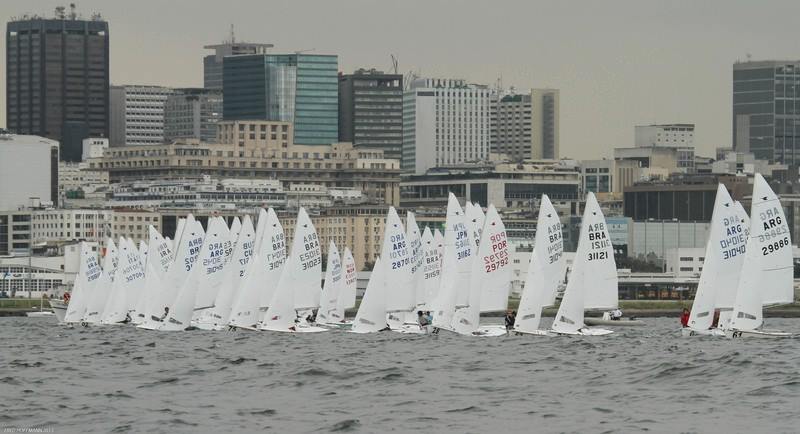
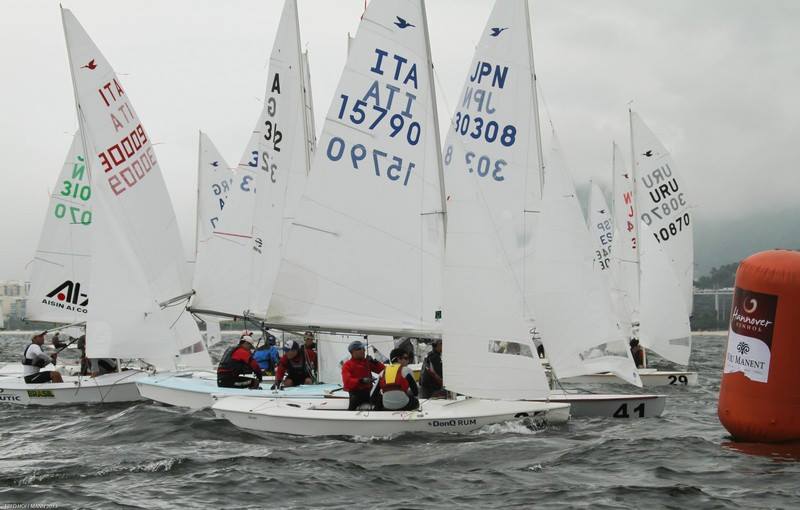
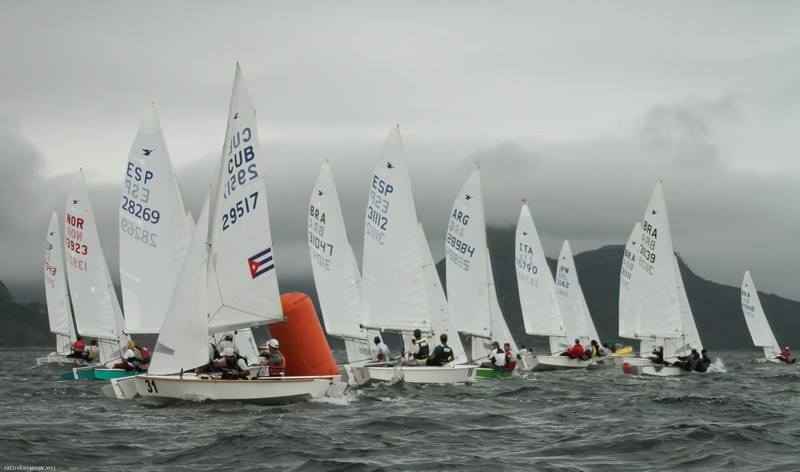
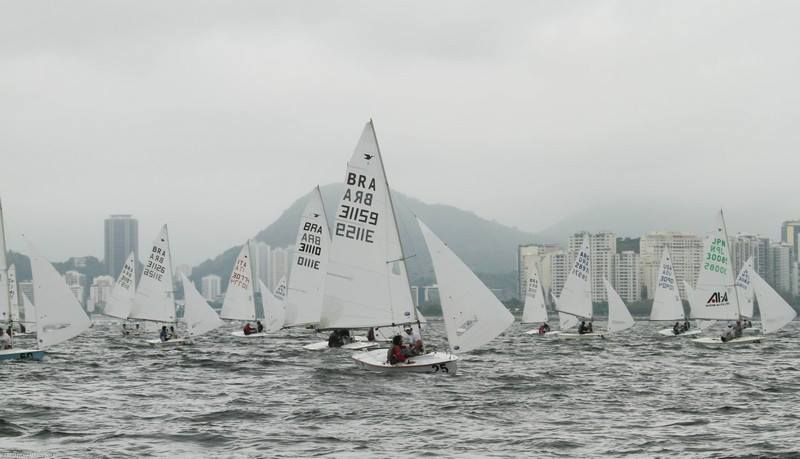
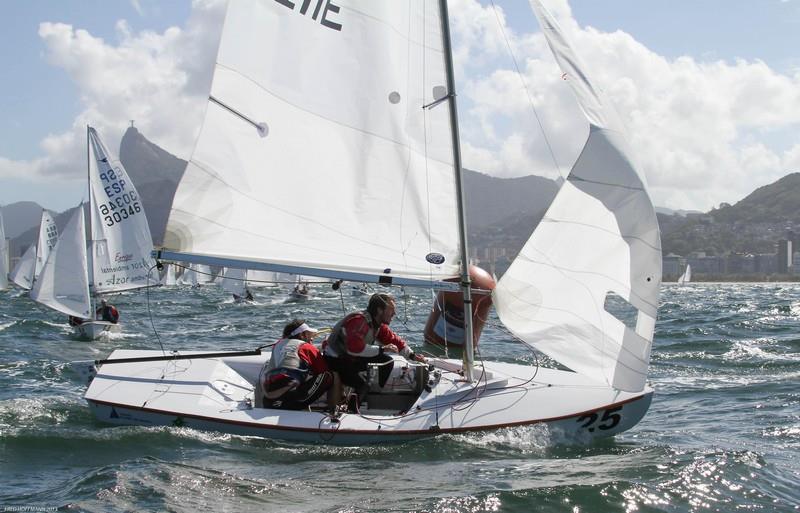
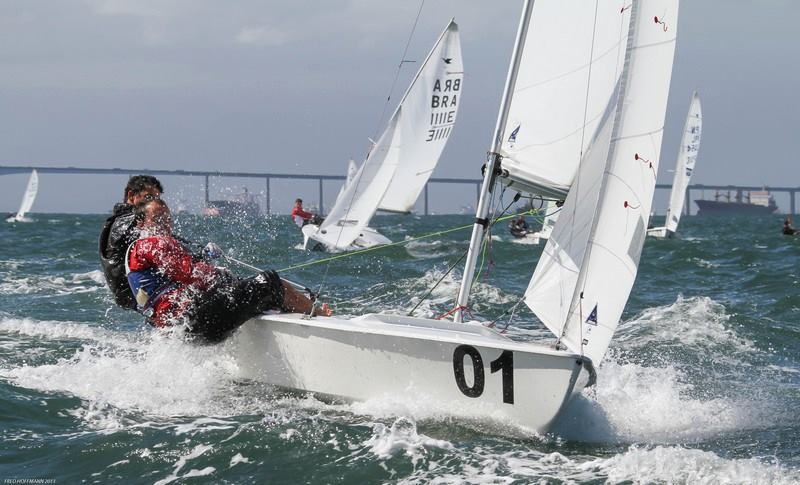
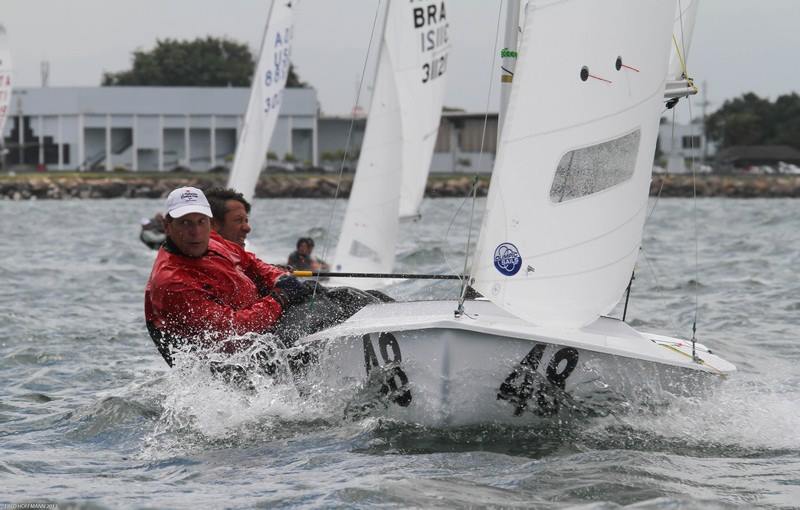
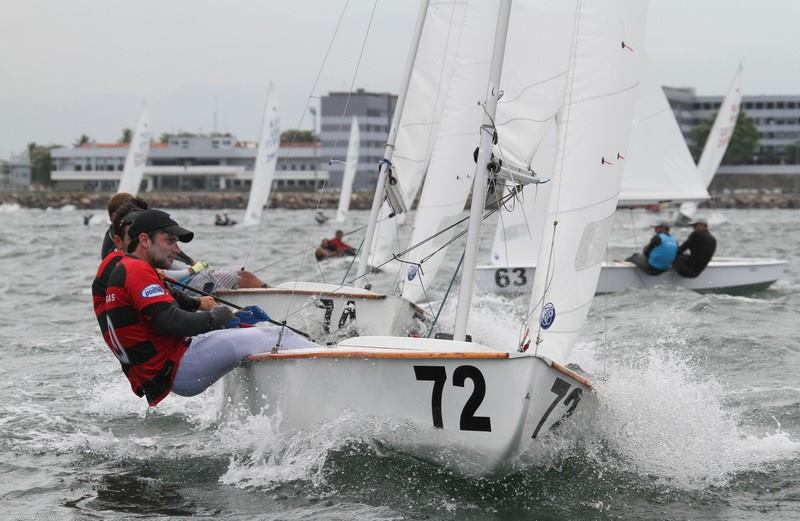
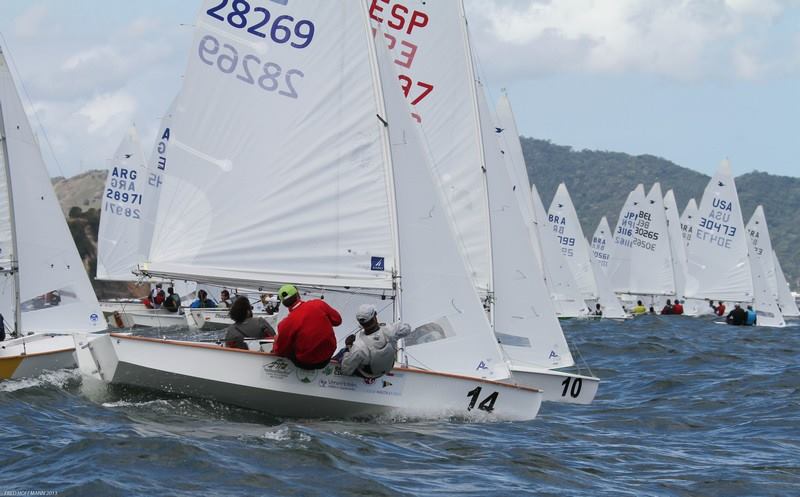
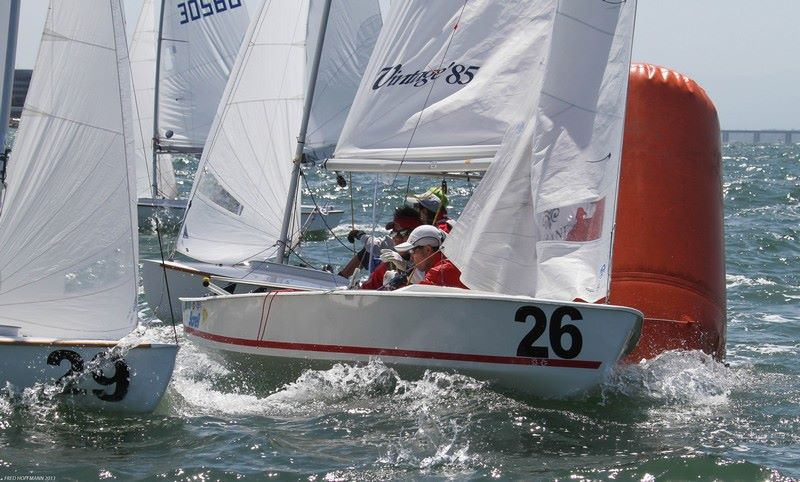
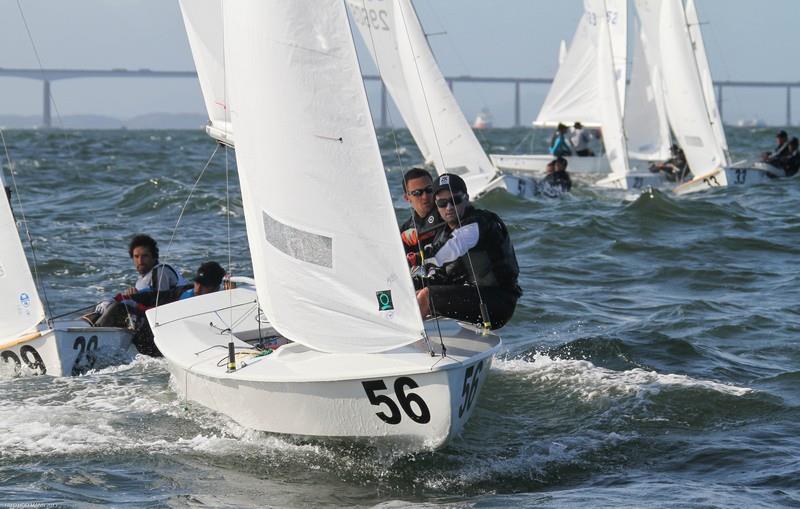
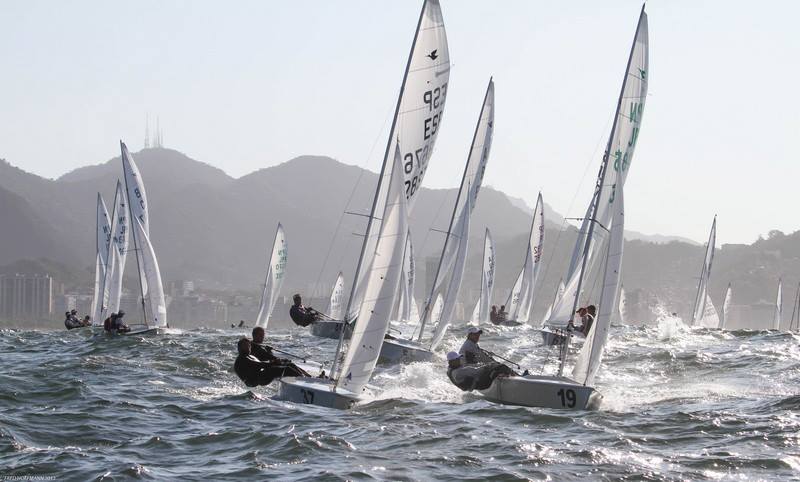
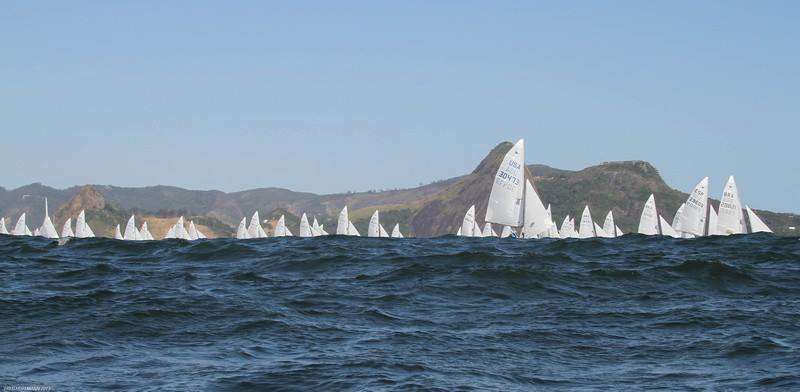
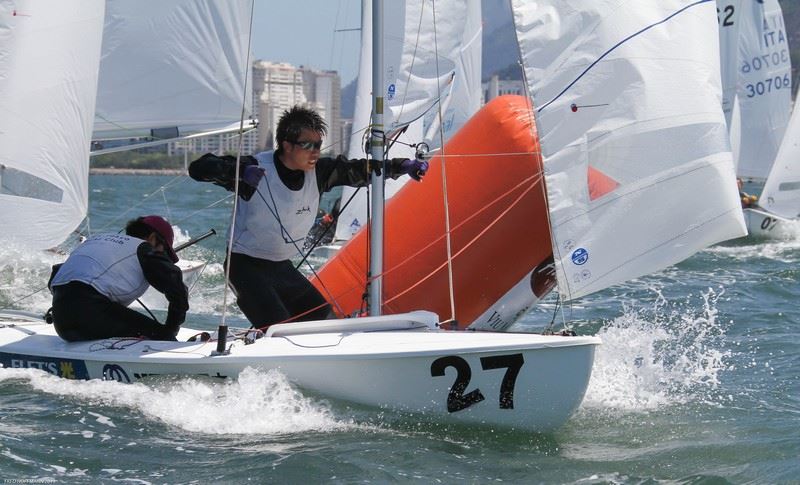
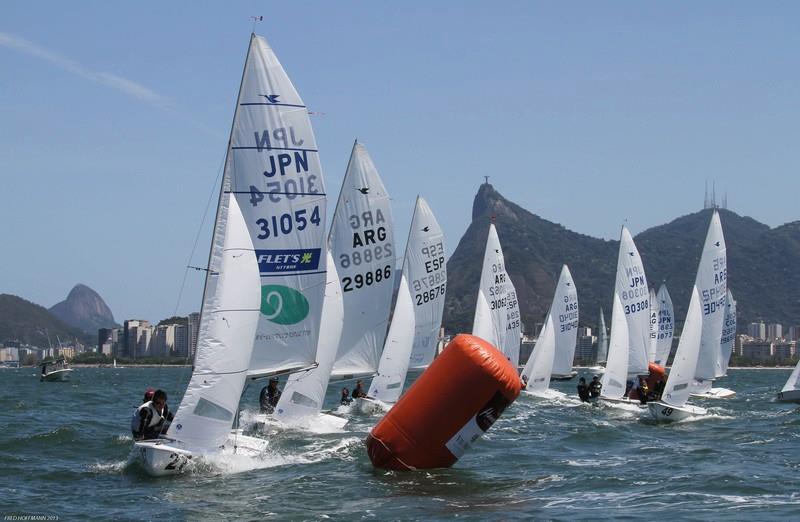
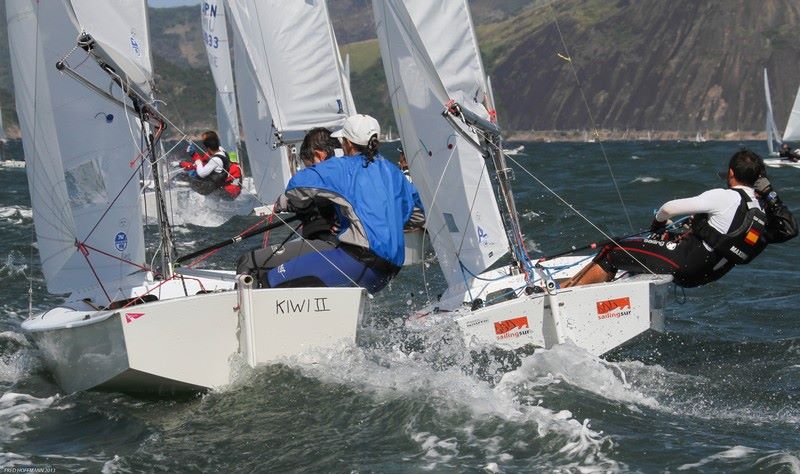
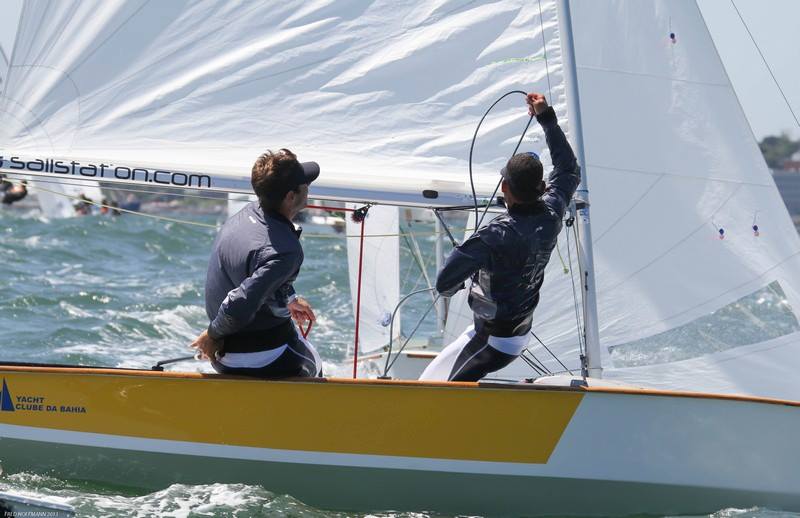
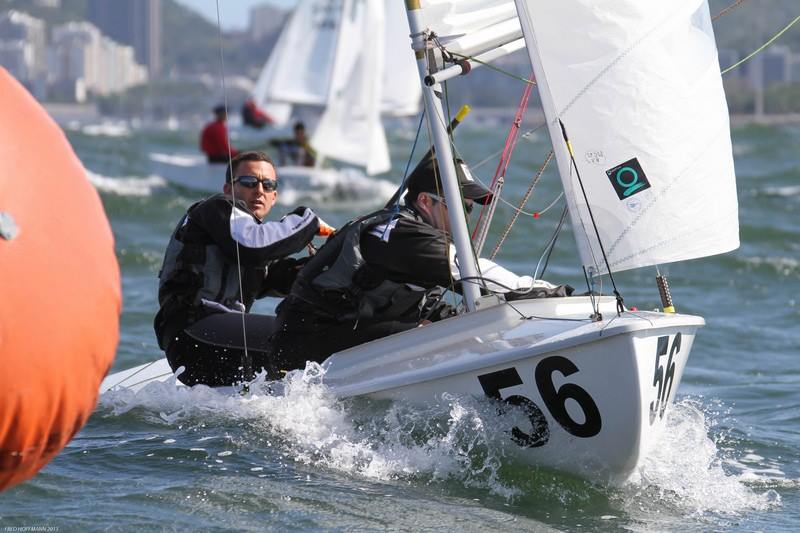
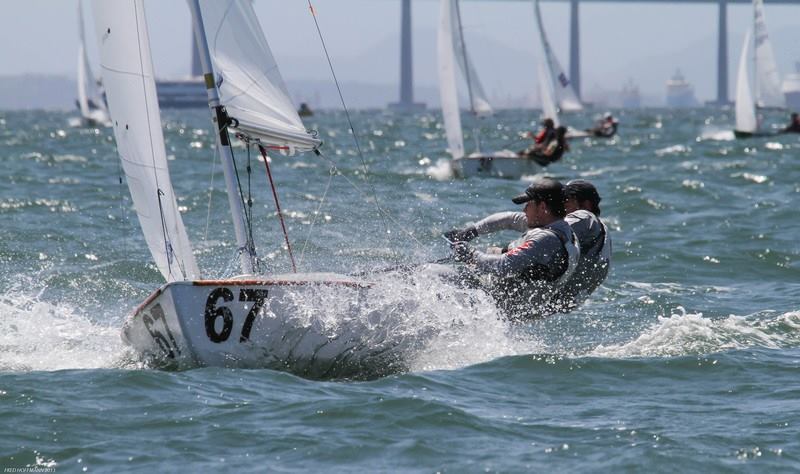
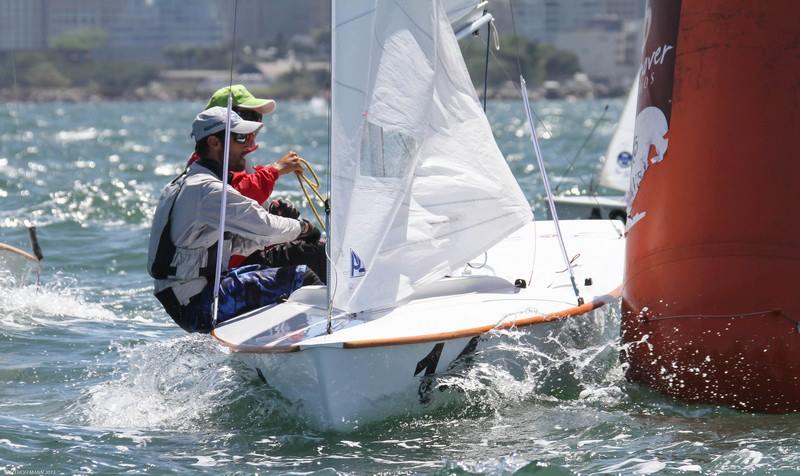
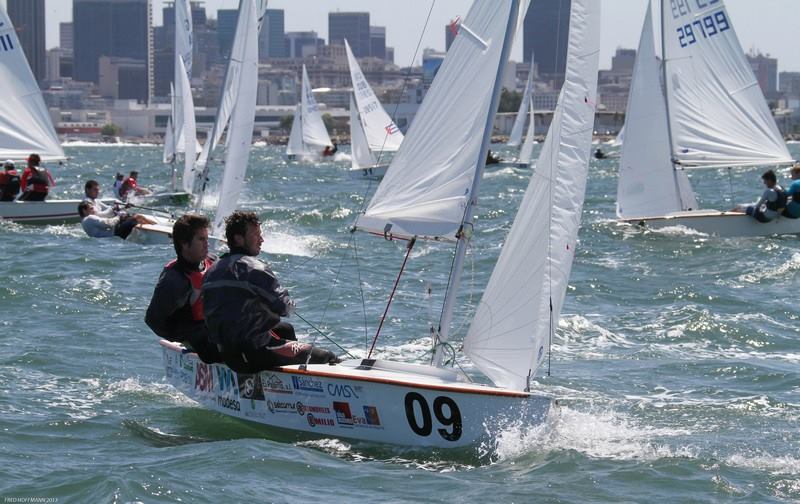
A great Thank You is due to SCIRA Brasil and to the Iate Clube do Rio de Janeiro for hosting such a successful regatta. With nearly 80 boats competing, the competition was fierce and parties were all fun!
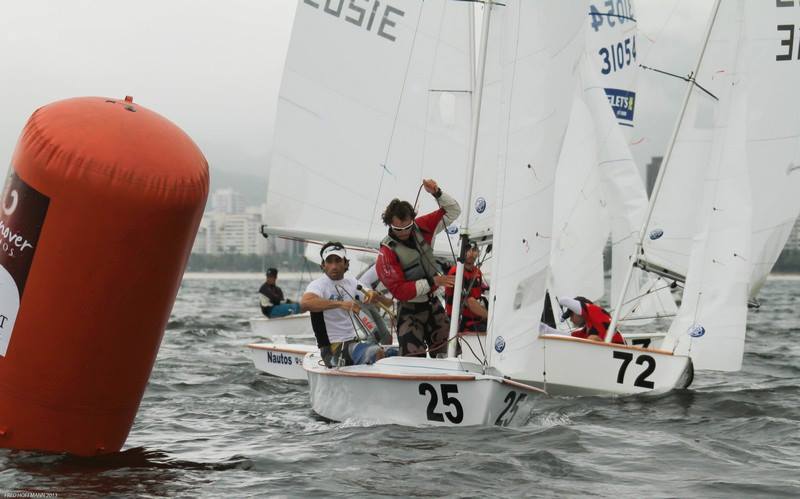
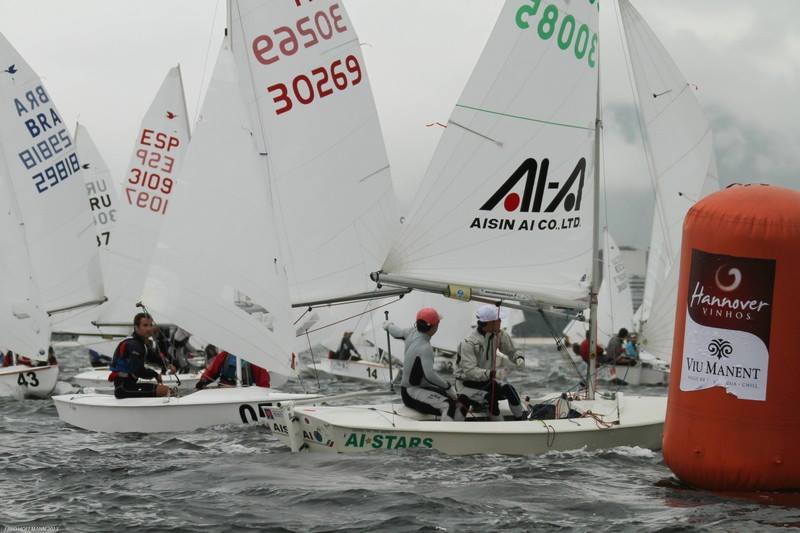
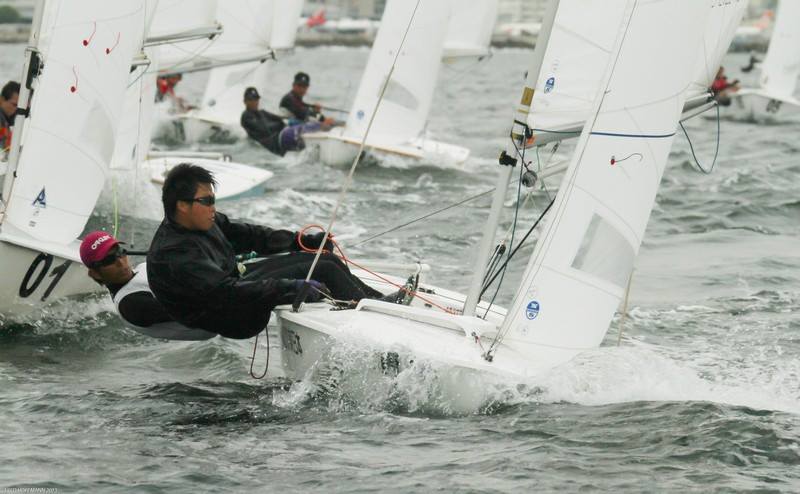
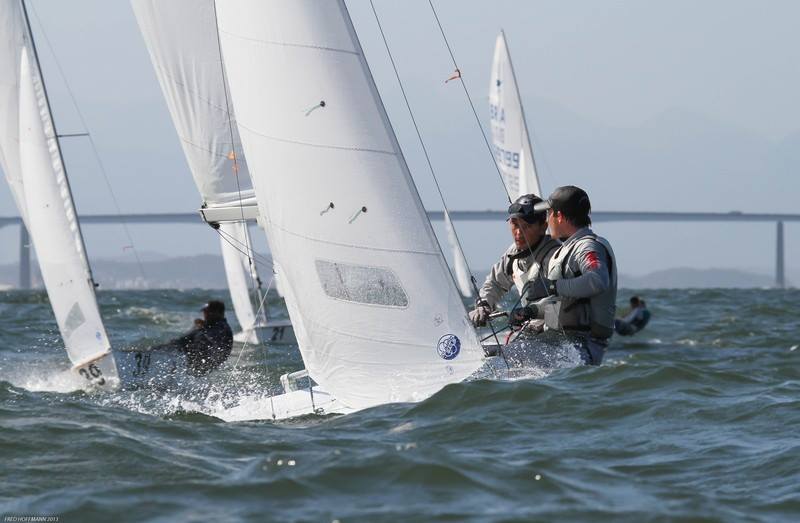
The racing began however, with challenging conditions. A westerly breeze blew off the beach and the wind hovered near five knots the whole day. The competitors floated around the course as the race committee took wind readings but the expected shift to the south never materialized and racing was cancelled for the day by 15:30.
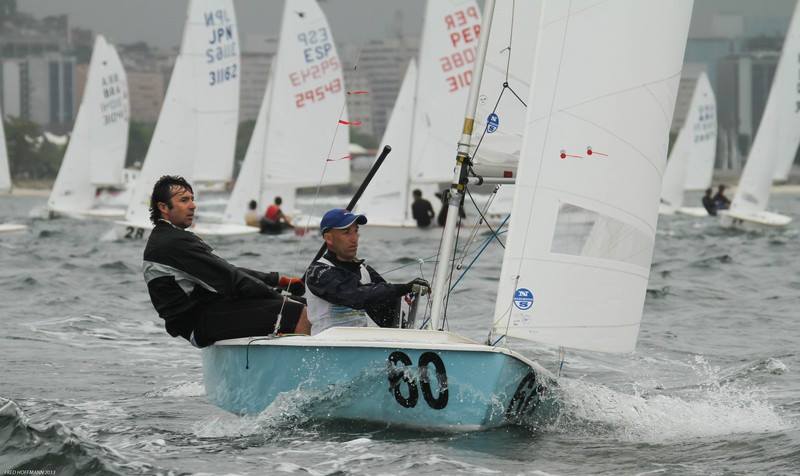
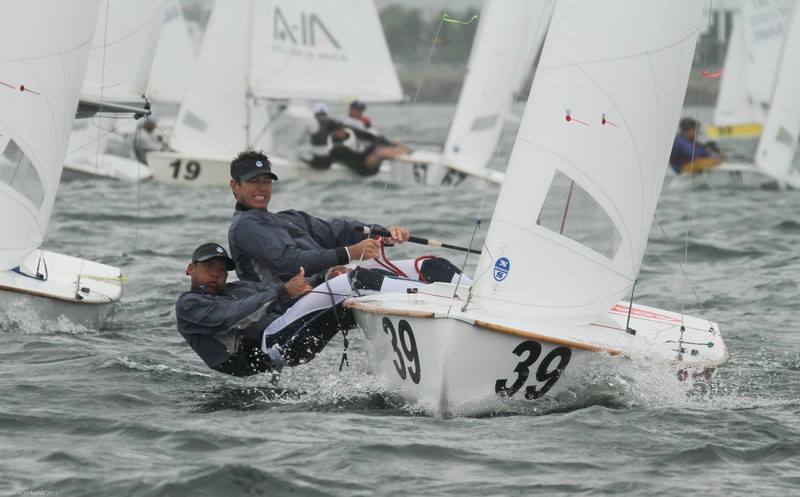
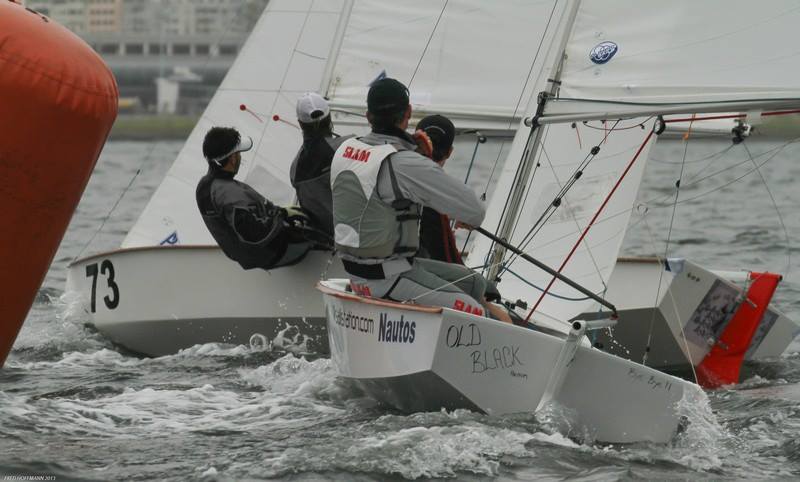
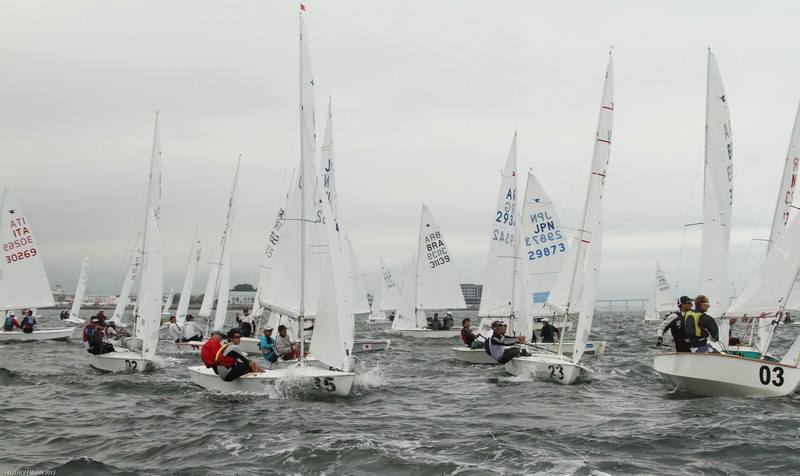
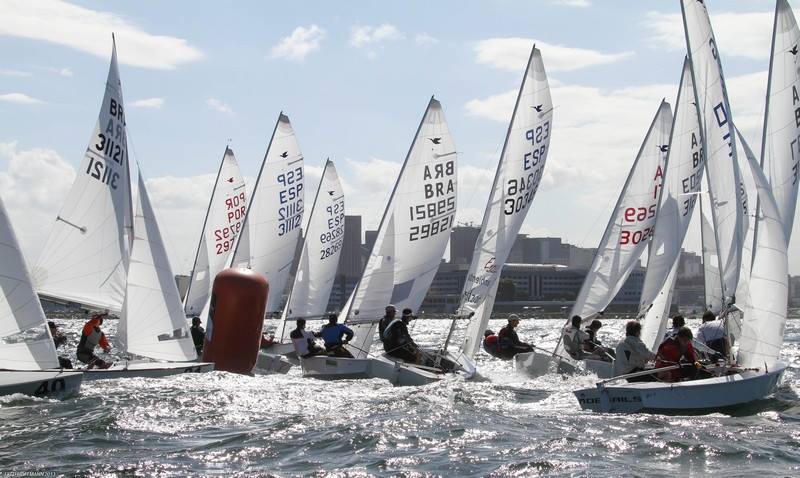
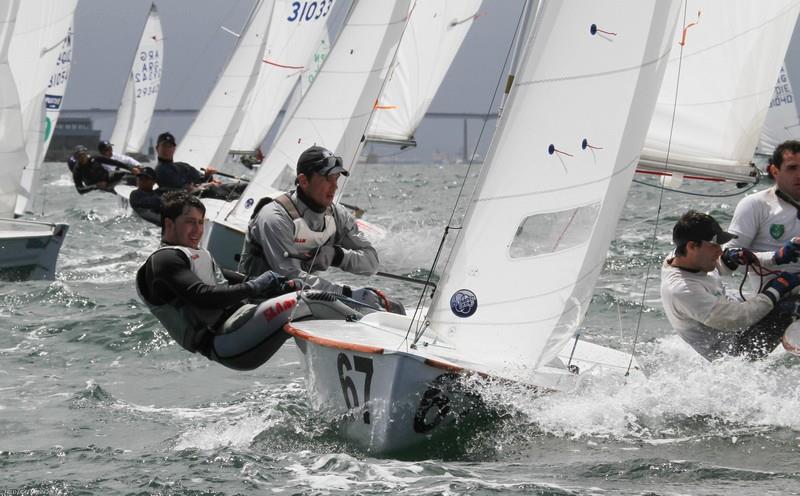
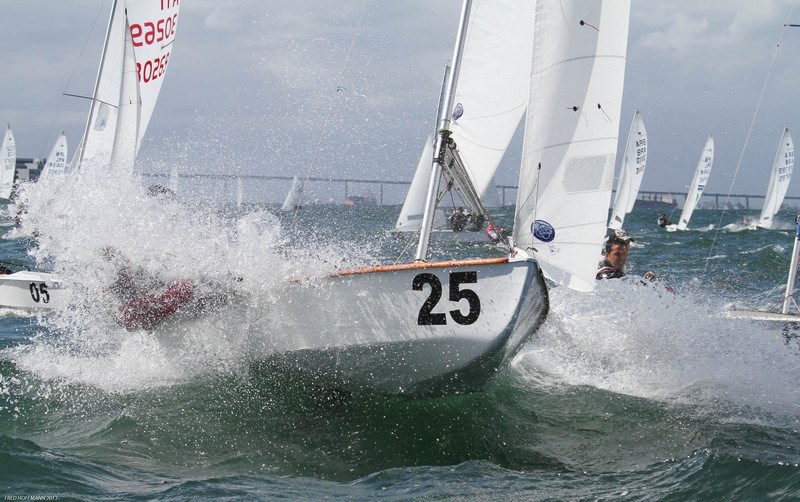
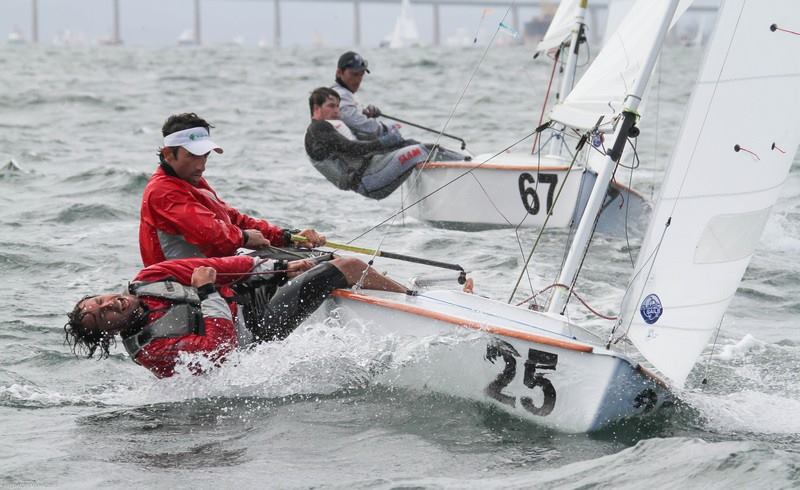
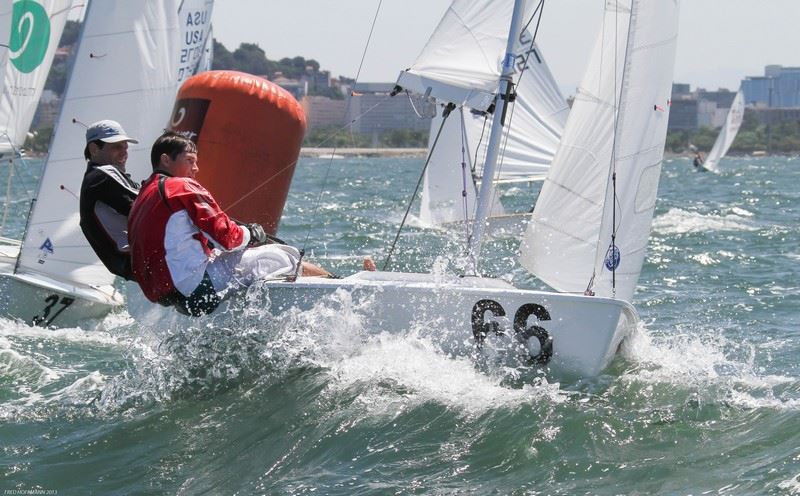
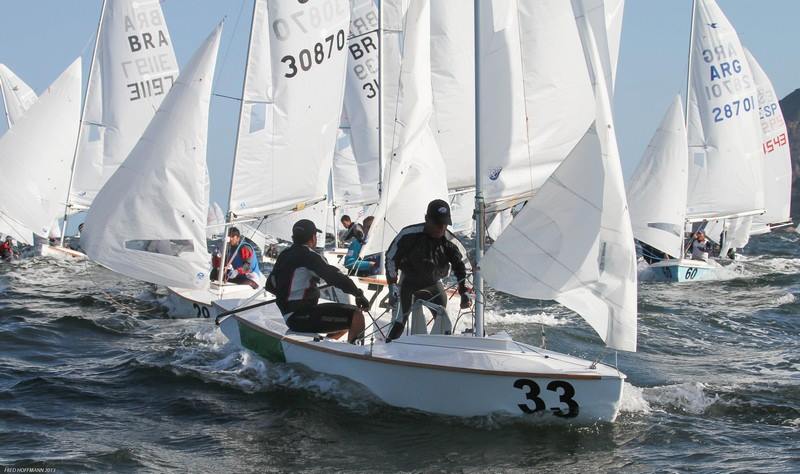
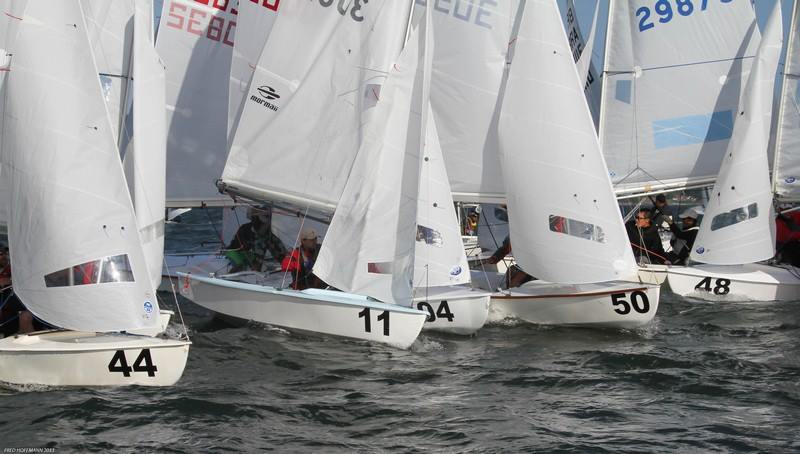
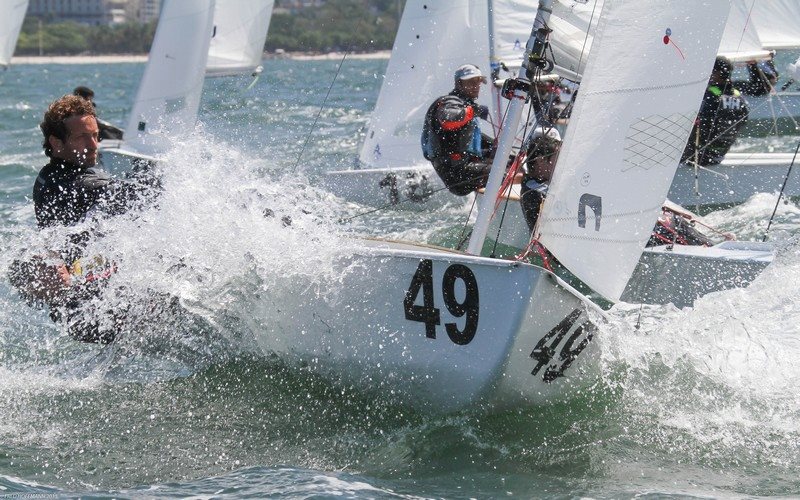
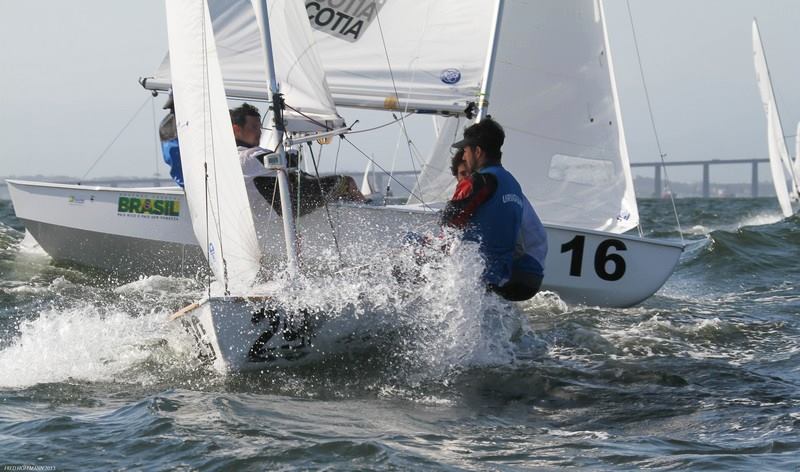
Starting the regatta now two races behind schedule, the first start of the day was moved from 13:00 to 12:00. The weather was not as nice either as the sailors saw some rain and winds of 18-20 knots. The sailors were anxious to get going and we saw multiple recalls and Z-Flag penalties. At the end of three races, the Brazilian team had the top four spots.
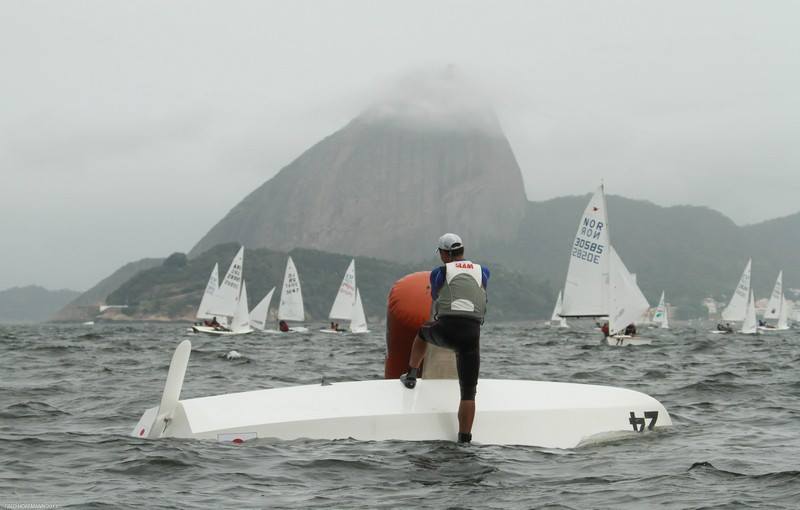
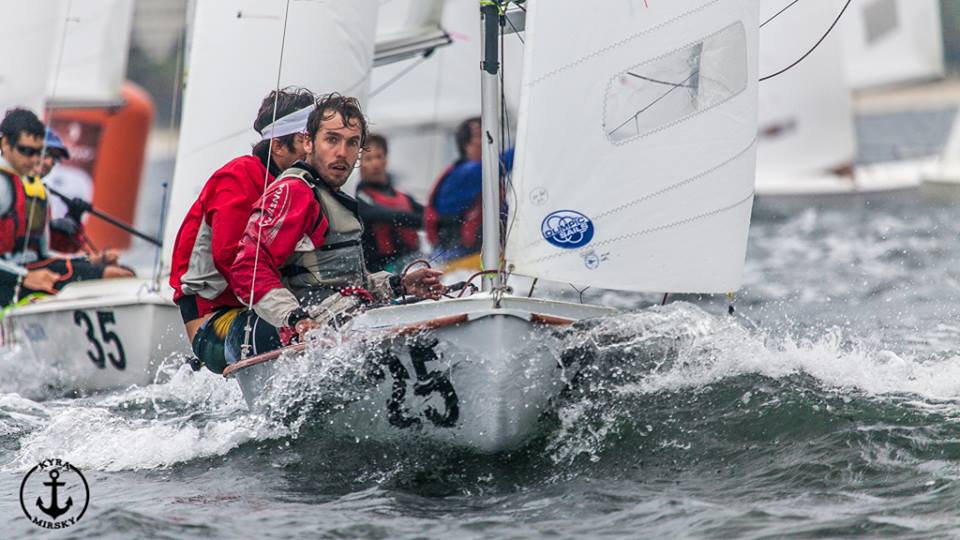
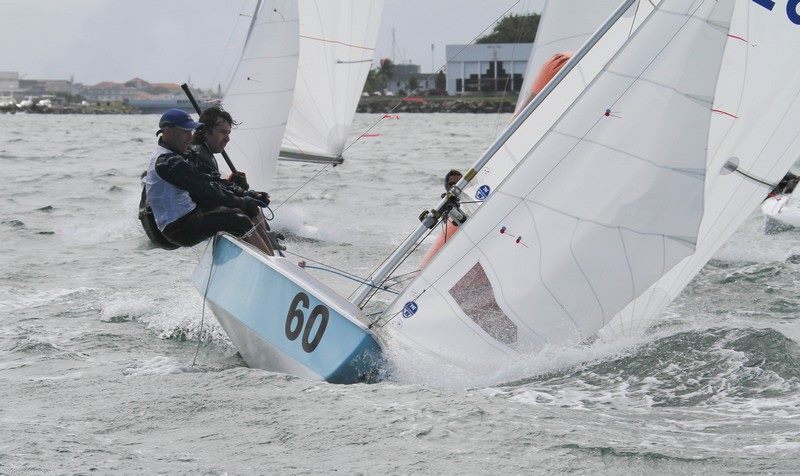
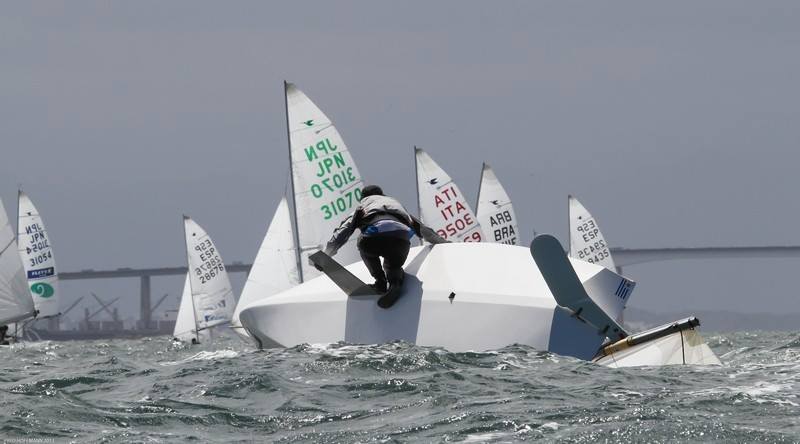
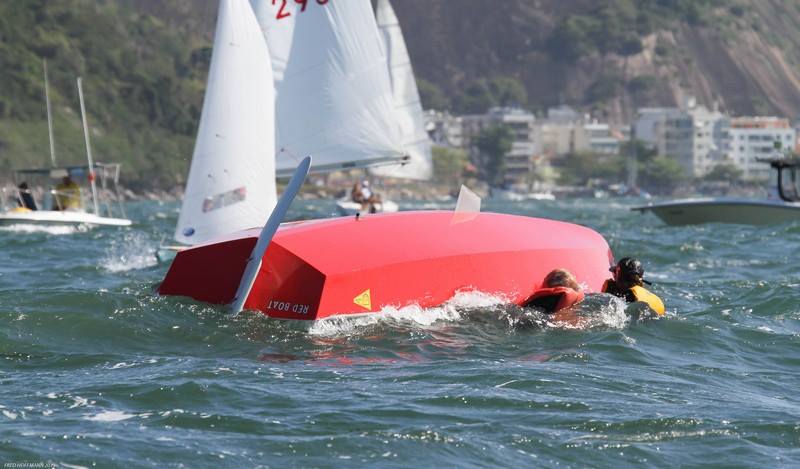
As a cold front moved in, the rain left but the wind increased to over 20 knots and puffs to over 30 so the race committee sent the sailors to a protected area as they continued to watch the wind. With the wind blowing from the west, the strong wind never died but was shifting as much as 60 degrees! This made for dangerous conditions and most of the sailors chose the tow back to shore. Those who didn’t had a very tough time getting back to the harbor and most decided the tow was the wise choice.
Day 4 was another windy day. The race committee setup the course in the usual spot but many sailors huddled in the lee of the Escola Naval (Navy Academy) and when the orange flag was raised to begin the sequence many were not ready and were late to the start or even missed the start all together. This was certainly to cause a problem as only one throw-out was to be had. With a reduced fleet, Tavares/Claro of Brasil took the race.
Bruno Bethlem: “Our first day was tough. In the first race we had a very poor start. After the start we made a mistake and had to do a 720. But at this time we were sure we were mentally prepared. We kept calm and we won the race. But we had a ZFP. That was terrible. And in the next 2 races we HAD 3 and 5. At the end of the day I really thought we were mentally in the right way.”
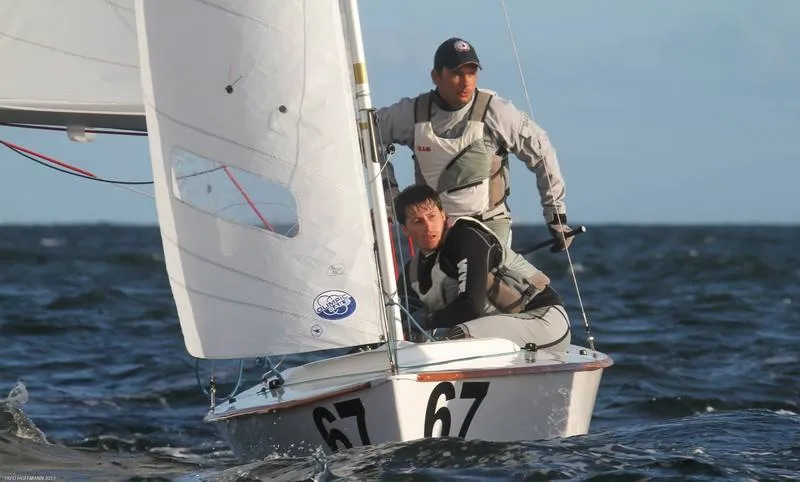
Race two had multiple postponements and recalls trying to get a good, square line. When the start finally was underway the lead switched multiple times but Soubie/Lipszyc of Argentina became the first non-Brazilians to win a race. The third race started and the leaders were stretched out a bit after the first triangle but a 40+ degree shift hit on the upwind leg and the first wind died – then became very puffy. The race was abandoned.
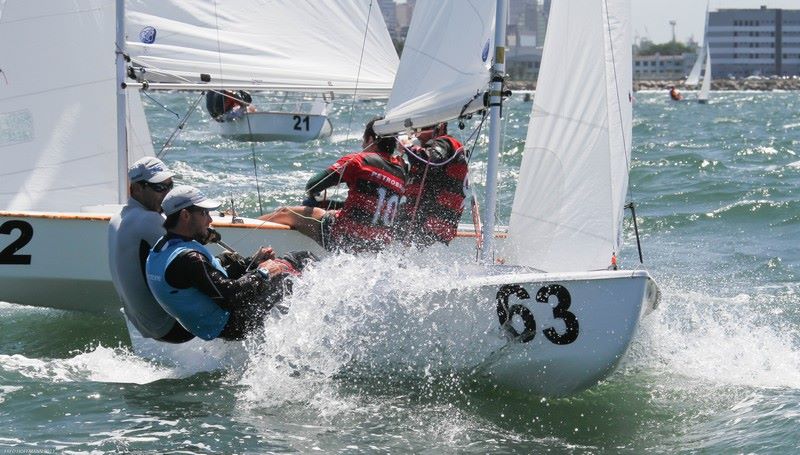
The next day was another try at race six with less wind, about 14 knots. There was a recall and a Z-Flag start to get the race underway. A steady shift to the right caused for a C-Flag to change the windward mark and de Jesus/Brandao of Brasil sailed a tough race to victory. Race 7 saw some building breeze at the start and three more recalls before the race was away; of course we ended with many Z-Flag penalties! After the first mark, Bethlem/Bianchi pulled out to a 20 second lead and were never really challenged again. The last race of the day only had one recall and so fewer Z penalties. Paradeda/Kieling of Brasil sailed a very smart race against close competition to win the race.
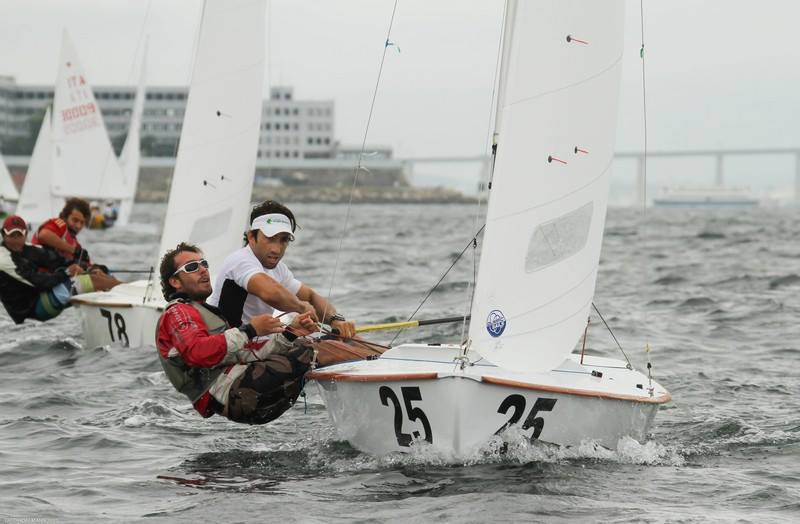
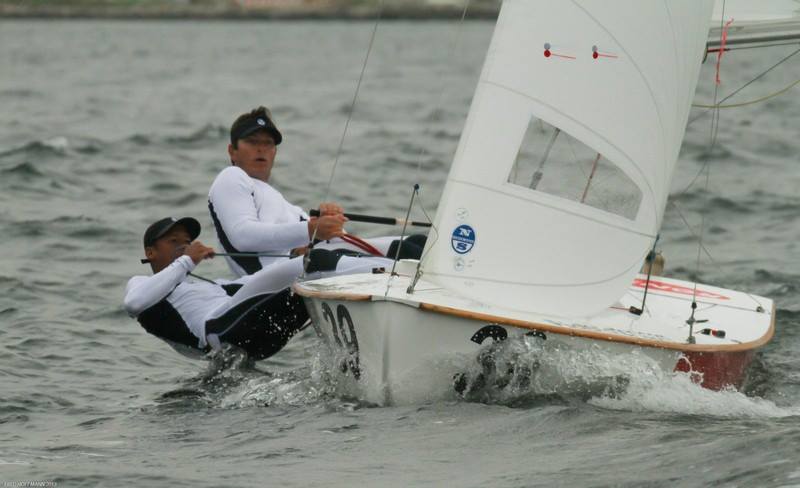
The last day of the regatta started with the wind farther to the east than any other day and with a little less breeze. With the start away on the first try, the first mark saw Bethlem/Bianchi again in the lead and were able to stretch it to 15 seconds by the leeward mark and held the lead the whole race. A left shift had the committee shift the start line to the right, a little closer to shore. With a recall and Z-Flag, race 10 started with the breeze about 13-14 knots. This time the US team made-up 3 of the top 5 boats at the leeward mark.
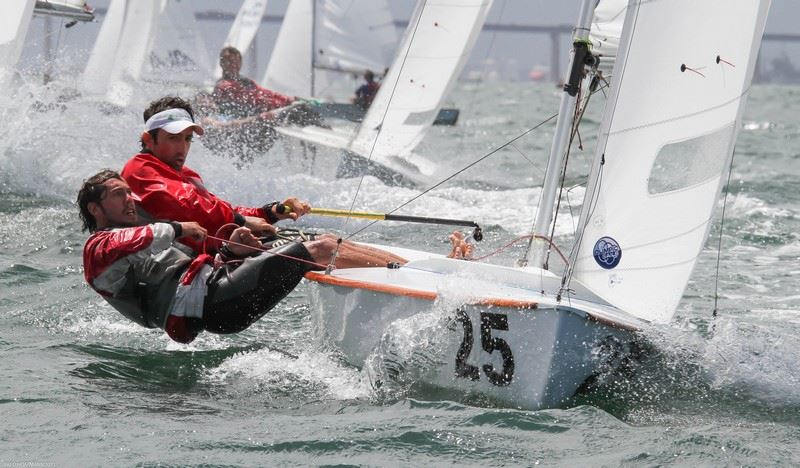
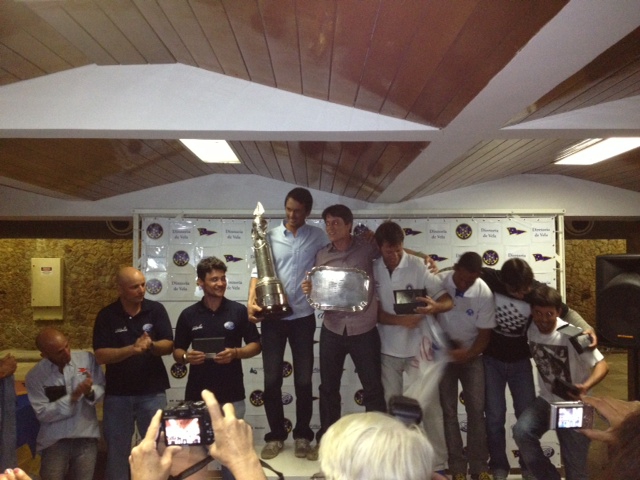
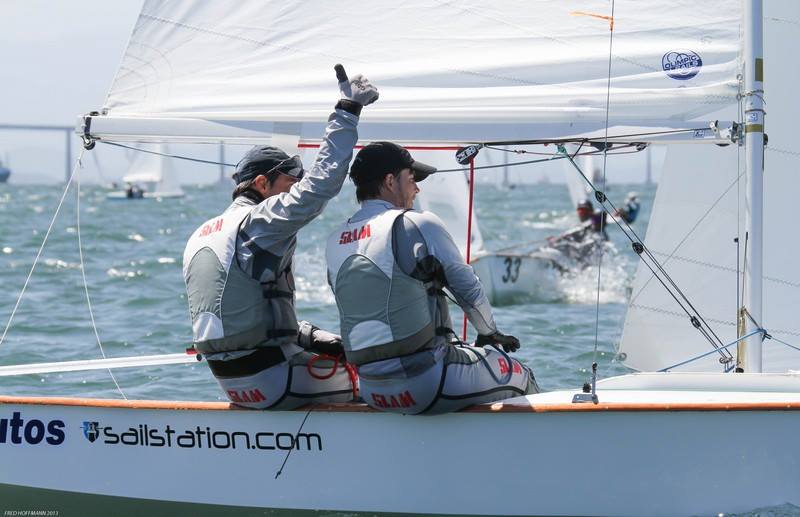
Rodriguez/Lavie of the US were in the lead but by only a few boat lengths. This seemed enough for them to hold-on to 1st as 2nd-6th were tightly contested. With a time limit of 3:30, the last race got off with only 5 minutes to spare. The breeze dropped to 12-14 knots and was shifty. Kamilar/Quintero of the US rounded the windward mark and pulled away on the reach to a 25 second lead. While the rest of the fleet were able to reduce that lead some, Kamilar/Quintero finished 1st in the final race to win the Elms Trophy. Bruno Bethlem and Dante Bianchi repeated their Worlds victory from 2009 with a very consistent set of finishes.
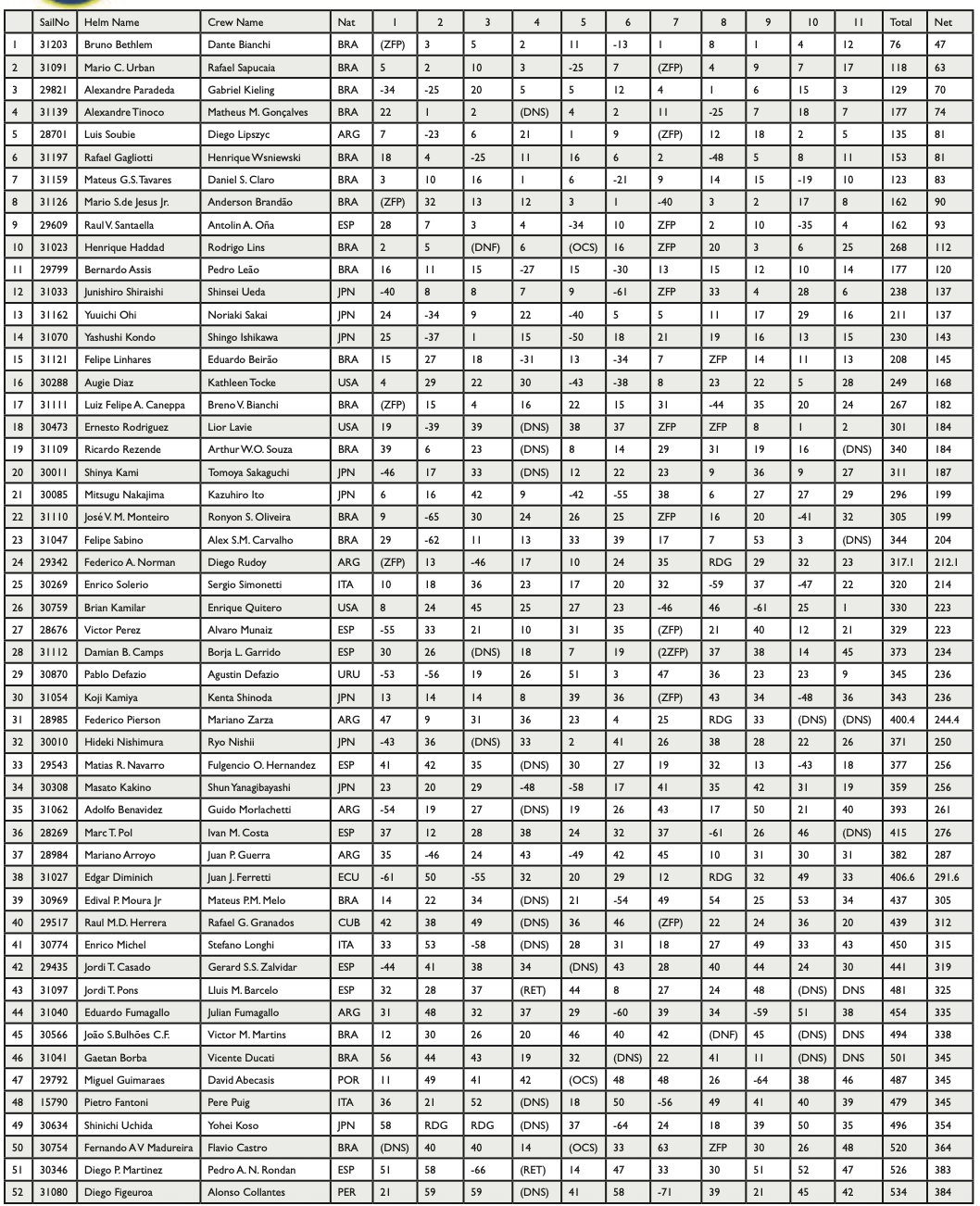
The host team of Brasil also showed their domination with taking eight of the top ten positions.
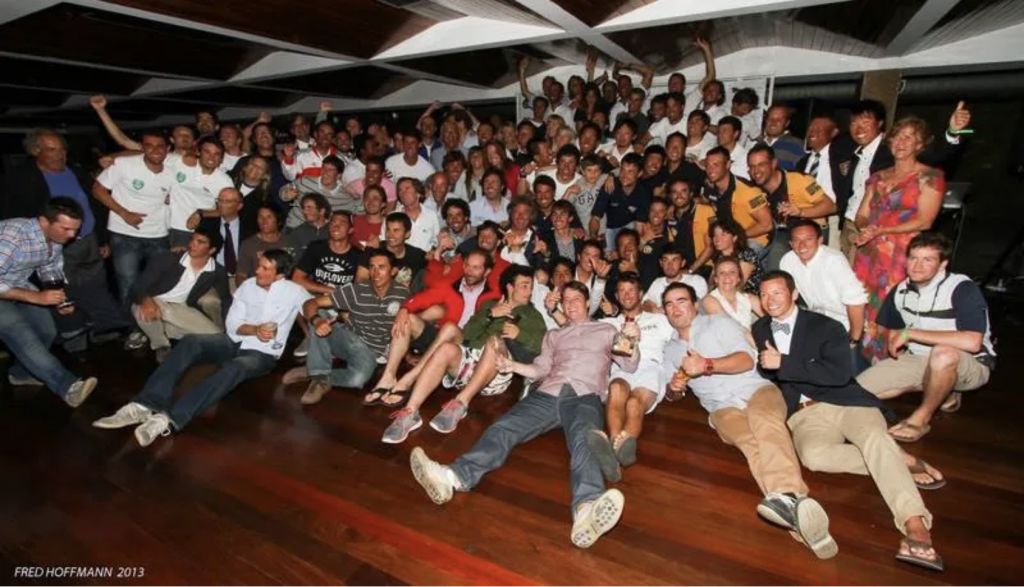
Again, thank you to the Iate Clube do Rio de Janeiro and Snipe Brasil for hosting such a successful regatta. The prize giving party went well into the night with some serious fun had by all!
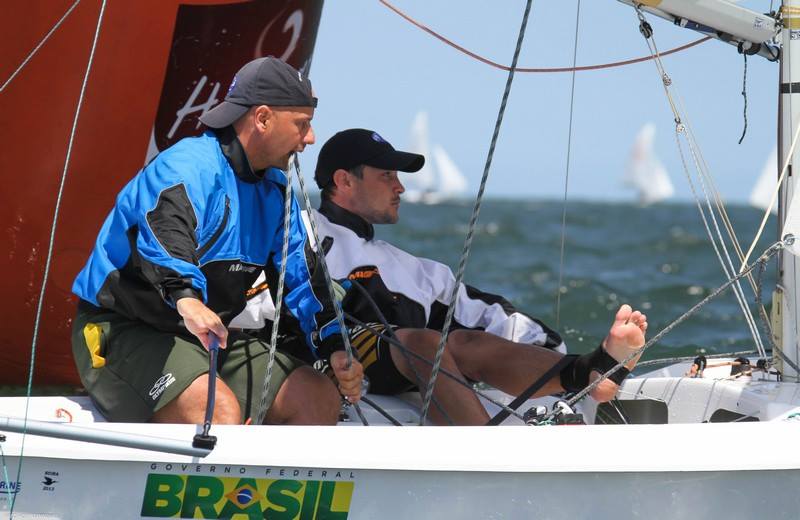
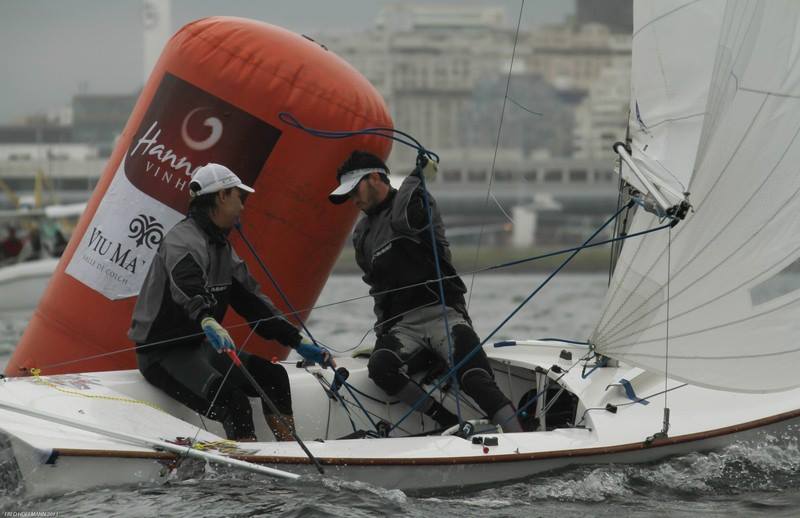
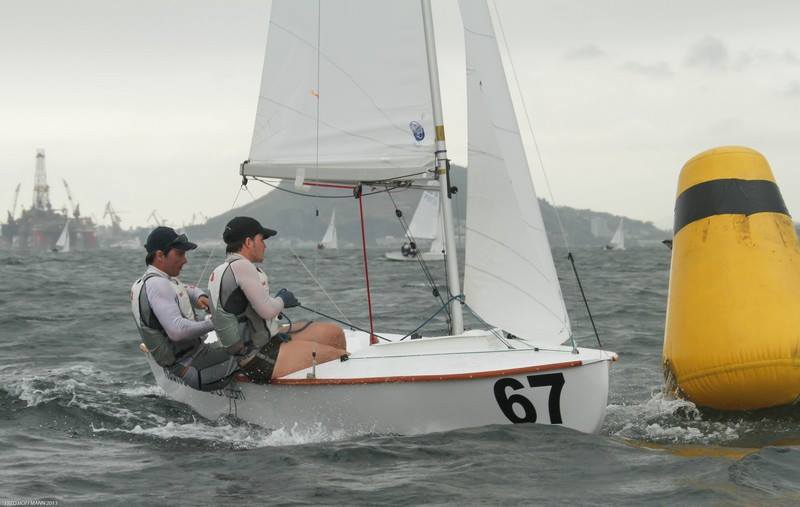
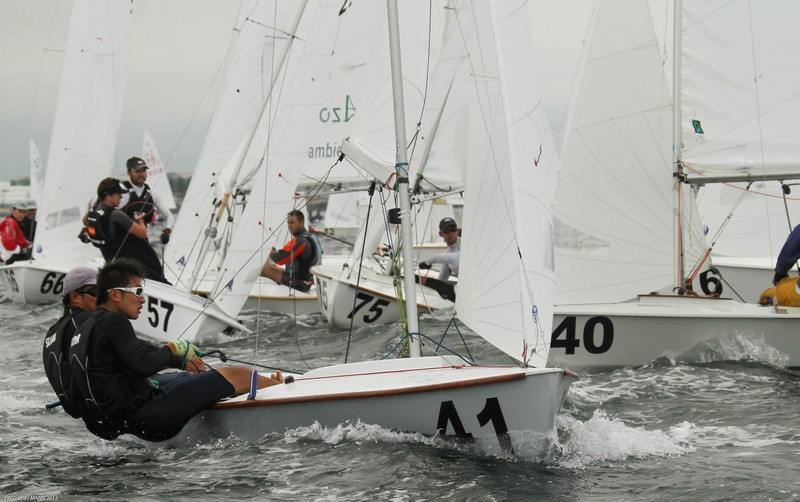
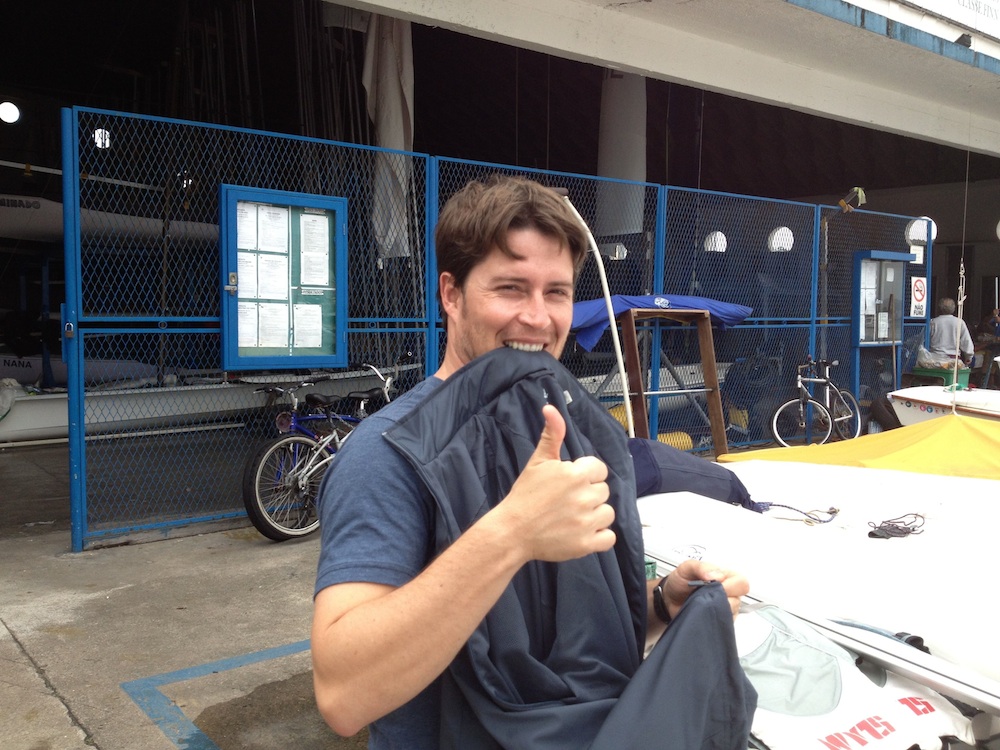
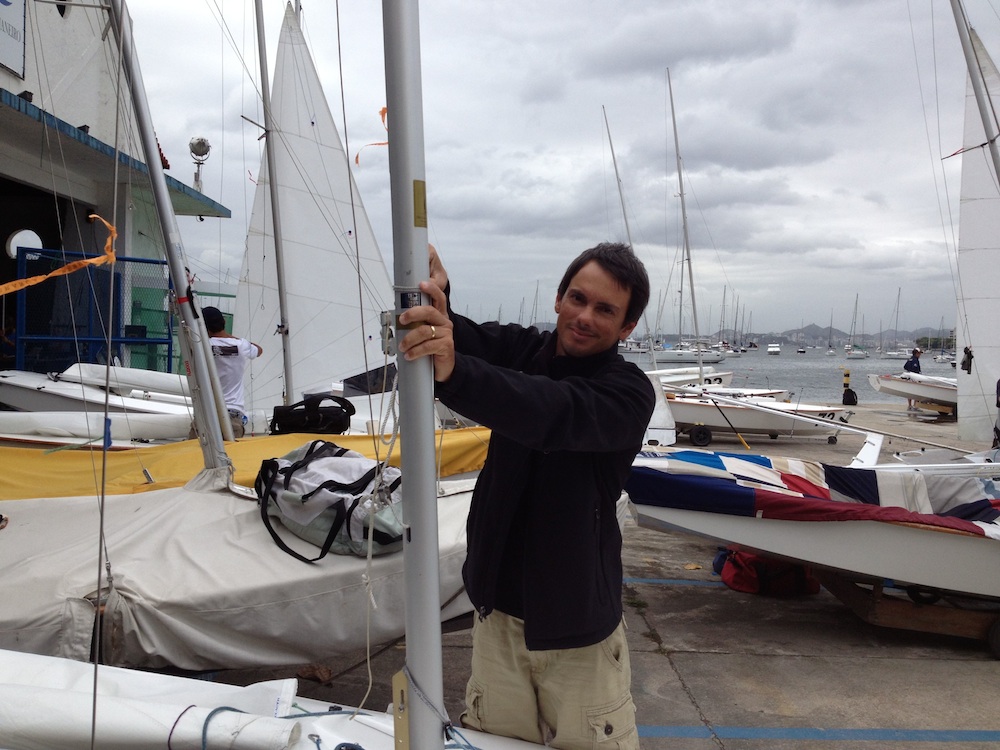
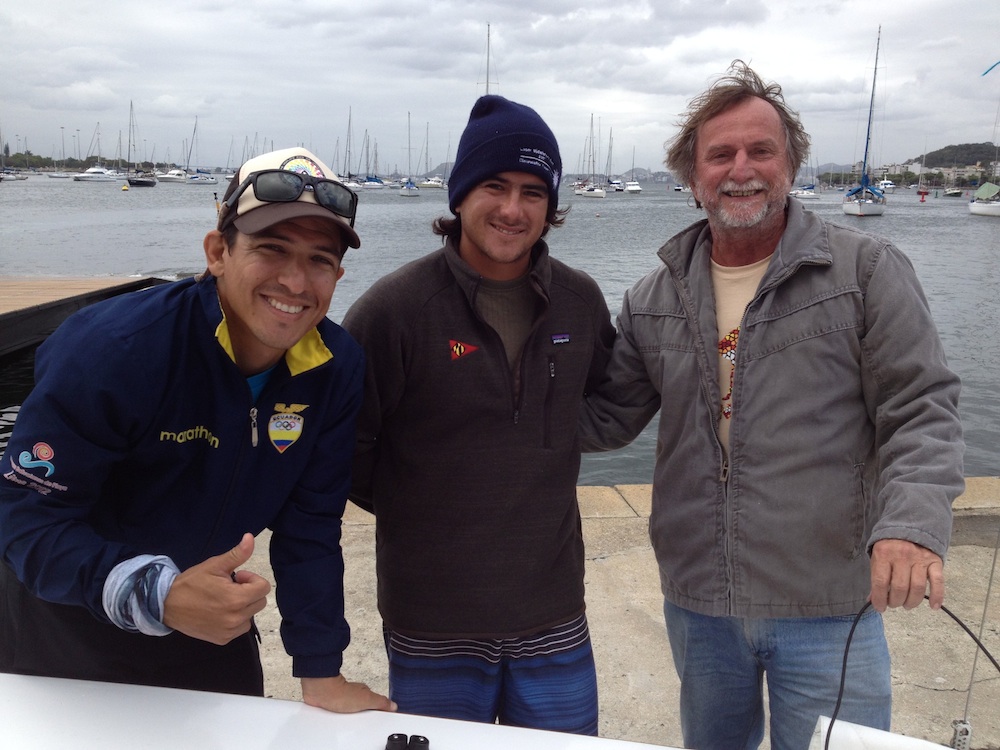
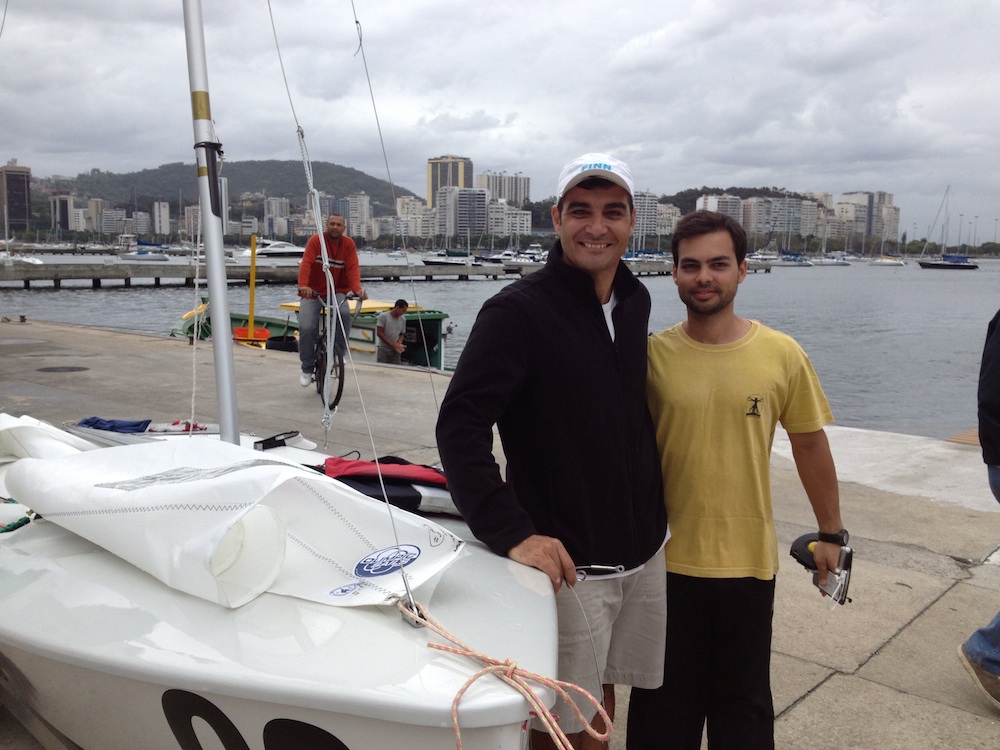
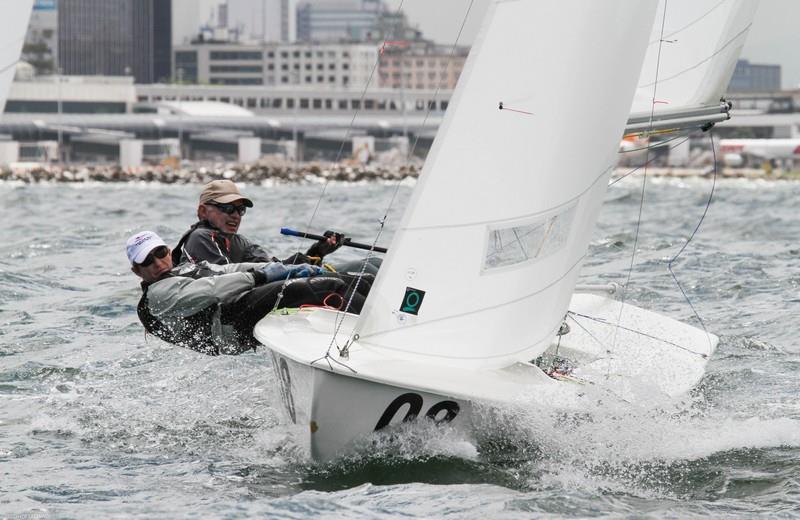
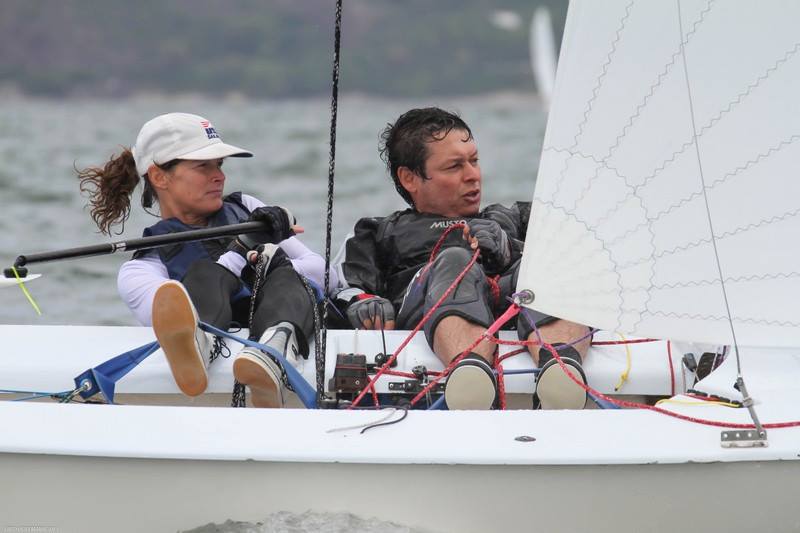
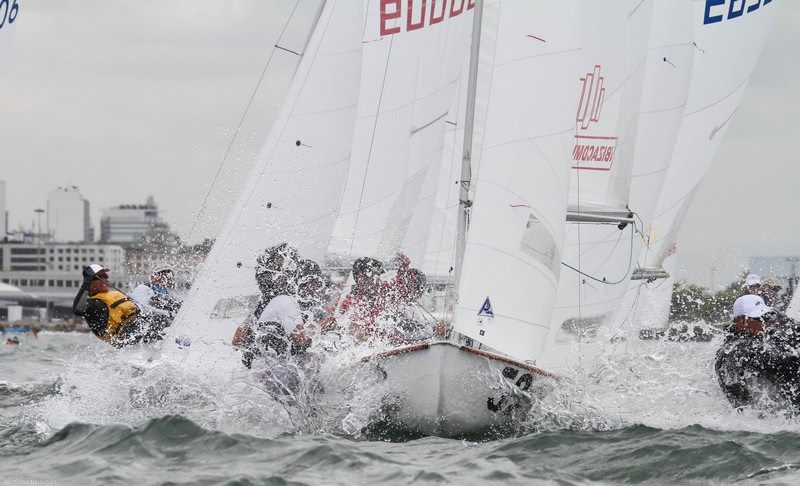
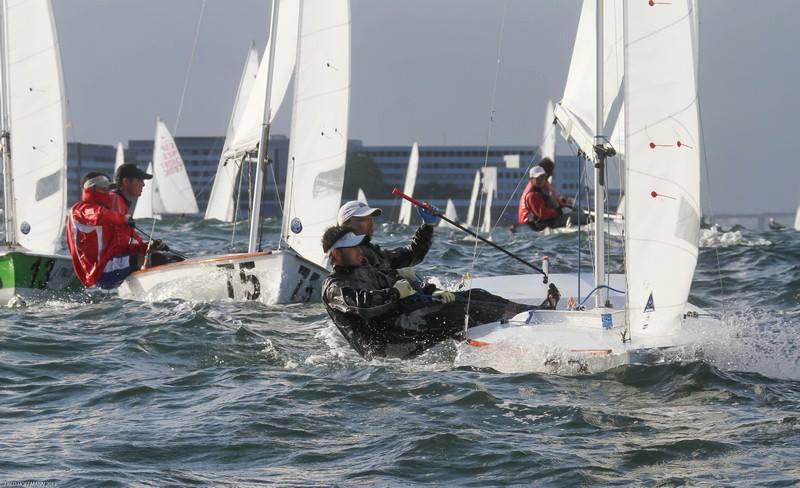
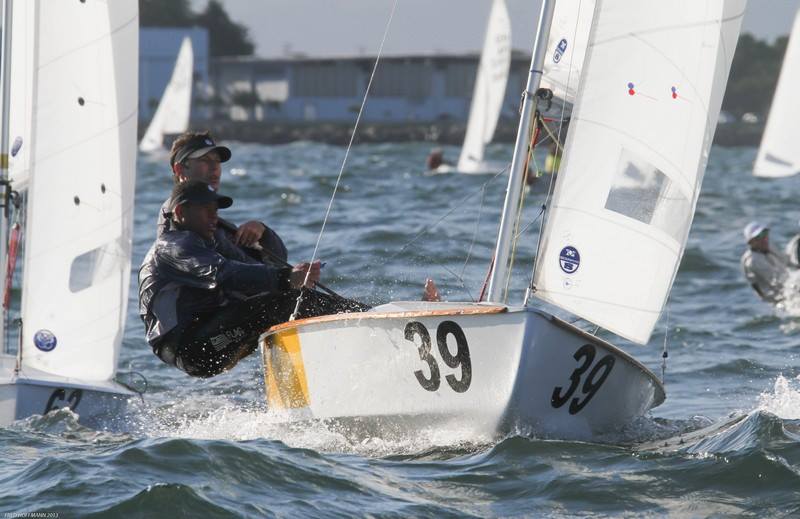
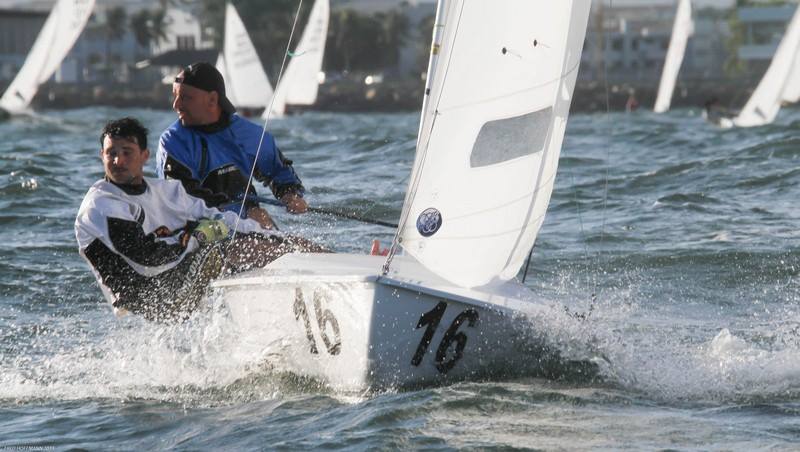
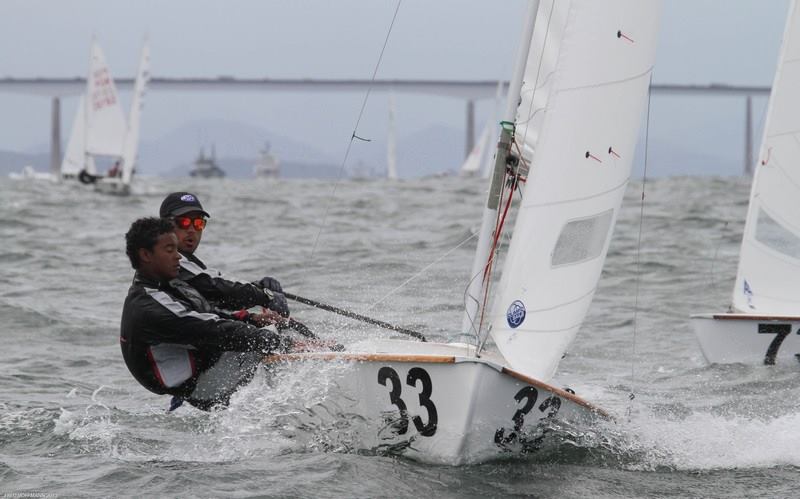
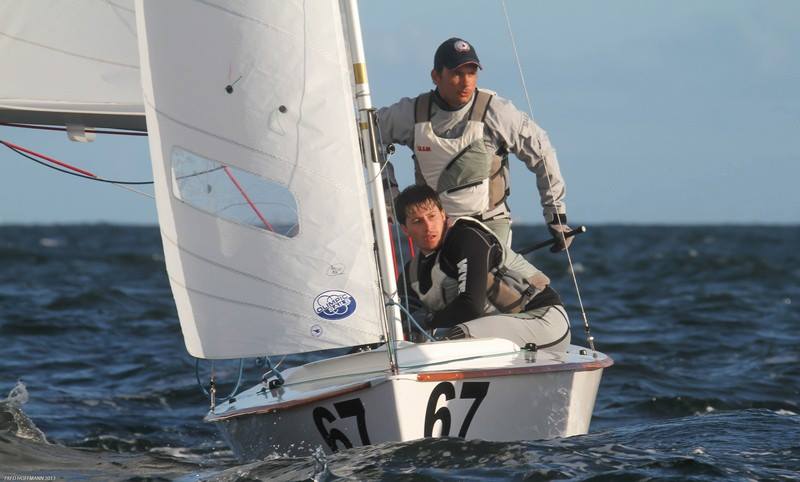
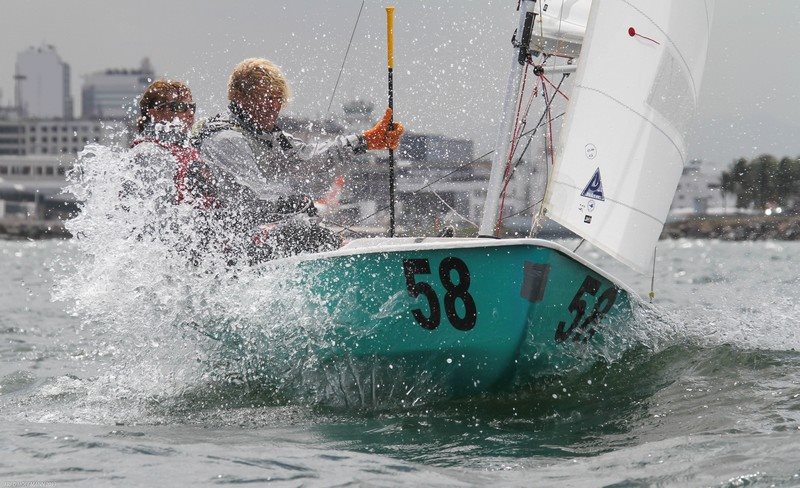
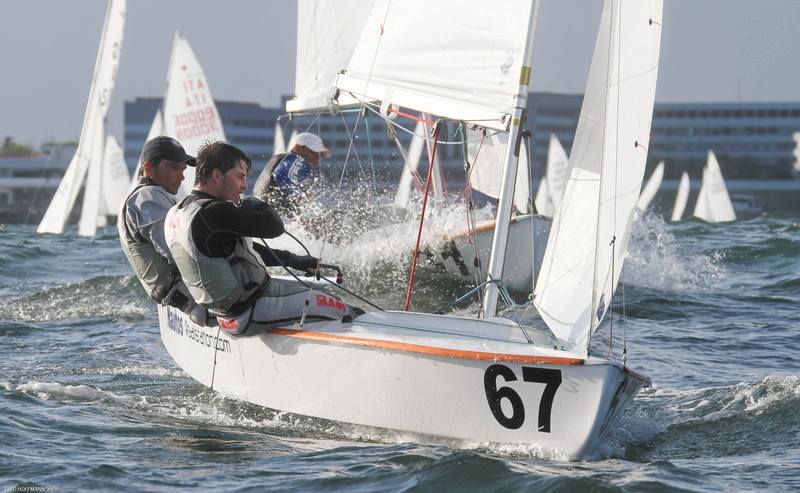
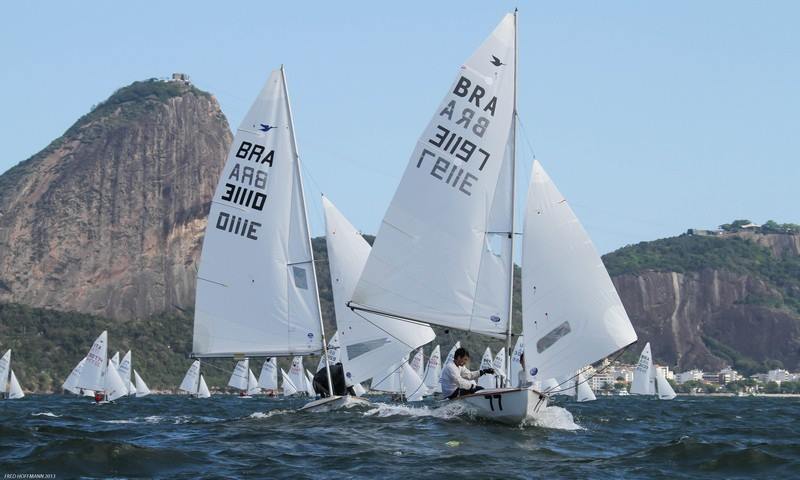
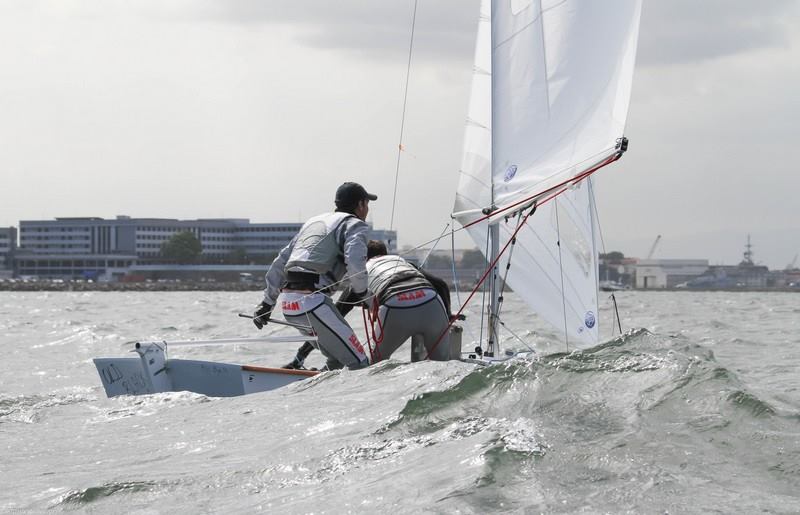
Interview with 2013 World Champion Bruno Bethlem
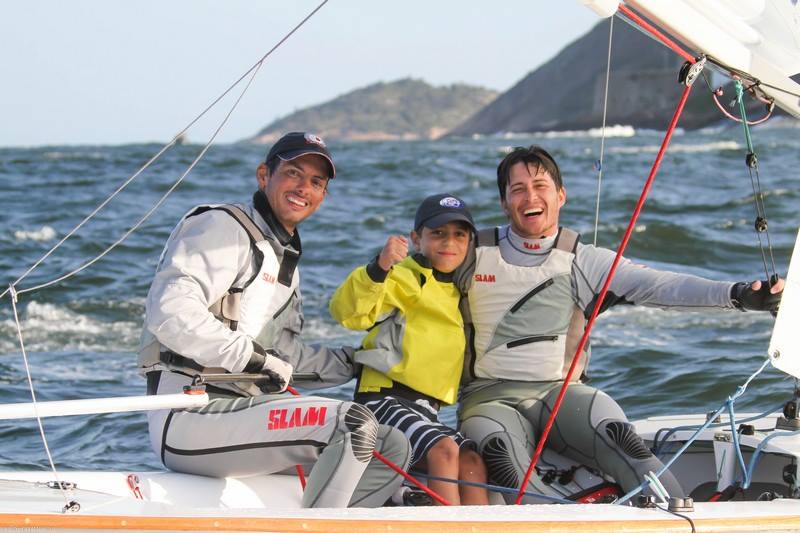
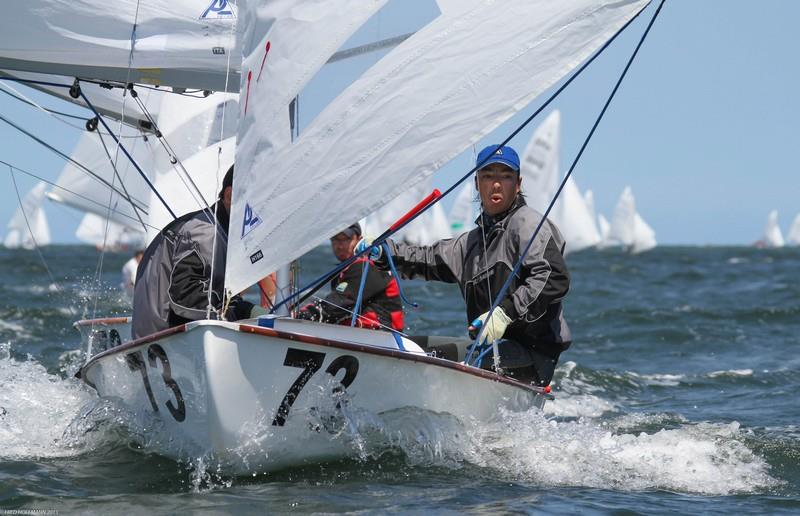
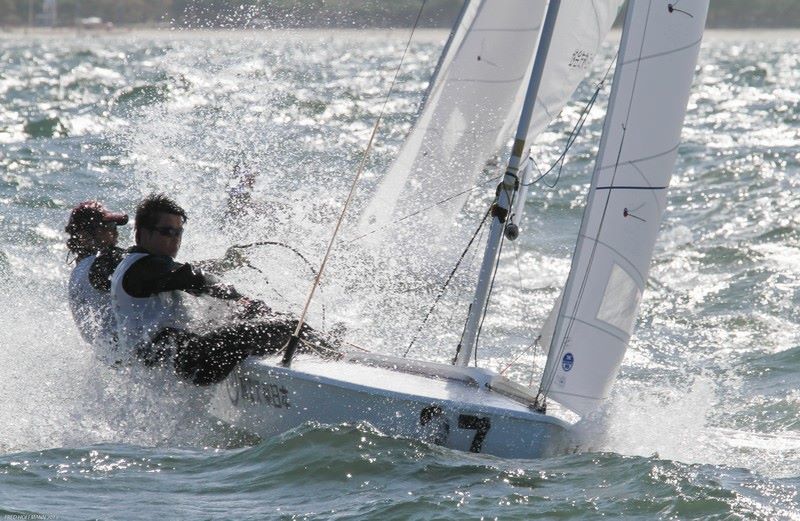
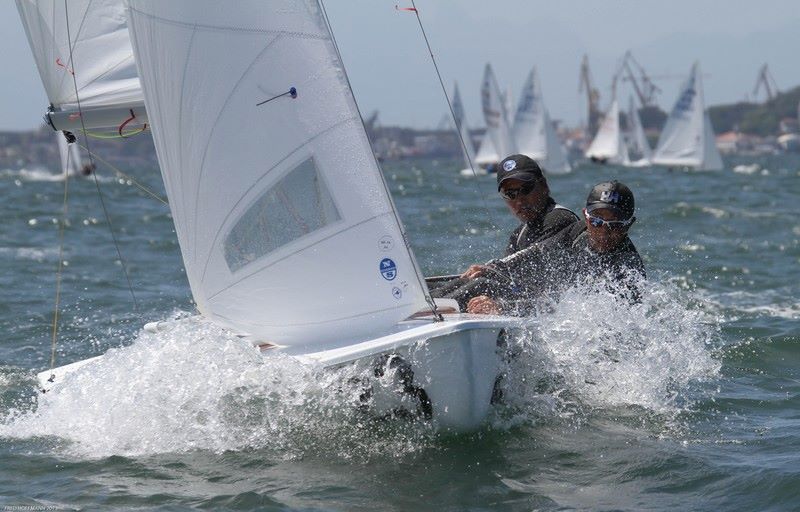
Snipe Bulletin: In September you won your second Snipe World Championship. What is the difference between the Worlds in San Diego and the last one in Rio?
Bruno Bethlem: The difference was that this year we were sailing our own boat and happy to be at home.
SB: Do you think it was an advantage to sail in your home waters, or it was it more difficult?
BB: For sure it’s very good. But as a rule the conditions during the regattas were really abnormal. It’s not common to have 6 days of SW wind in Rio. Everybody was worried about the tide and the tide didn’t take a place. Organizing the charter boats almost drove me crazy. It’s really not easy because it never ends. We’ve got 30 charter boats and it’s not easy. But I think everything worked nicely.
SB: How did you prepare and train for the Worlds? I know you are sailing also the 470 and Dante the 49er. How did you find time for training and sailing in the Snipe? Was it difficult to find time for sailing the Snipe, considering Dante and you were involved in the organization of the Worlds?
BB: We tried to share the time for the Snipe and OLYMPIC campaign. We raced some regattas in the US and other small races in Rio. I’m paranoid about training because I always want to improve something. We didn’t train too much. Our goal was to race important regattas during the year.
SB: Can you describe your equipment (boat, mast, sails) that you used in Rio? Secret numbers?
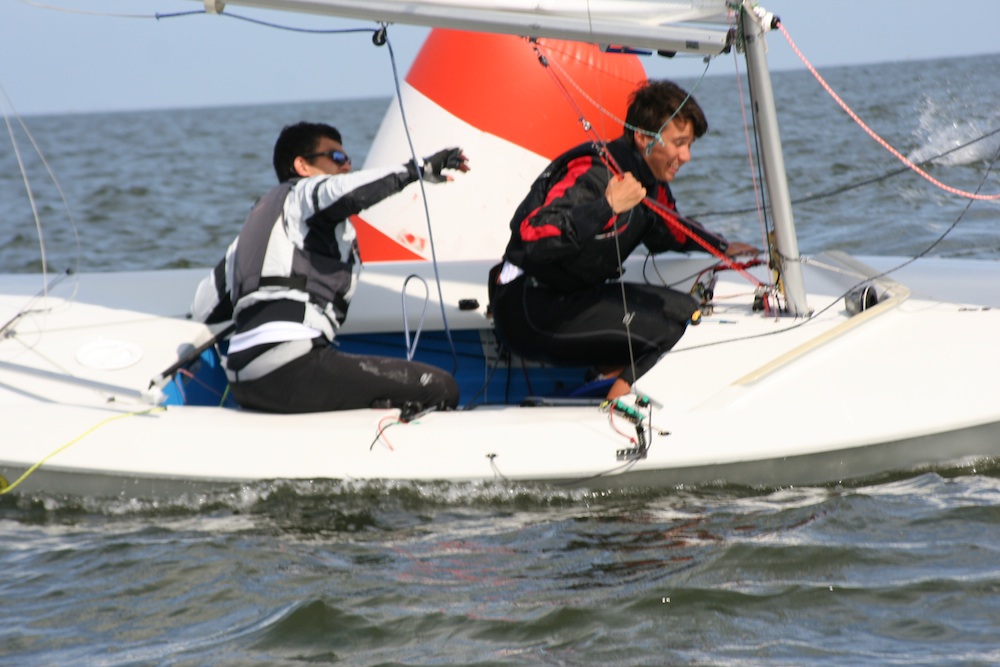
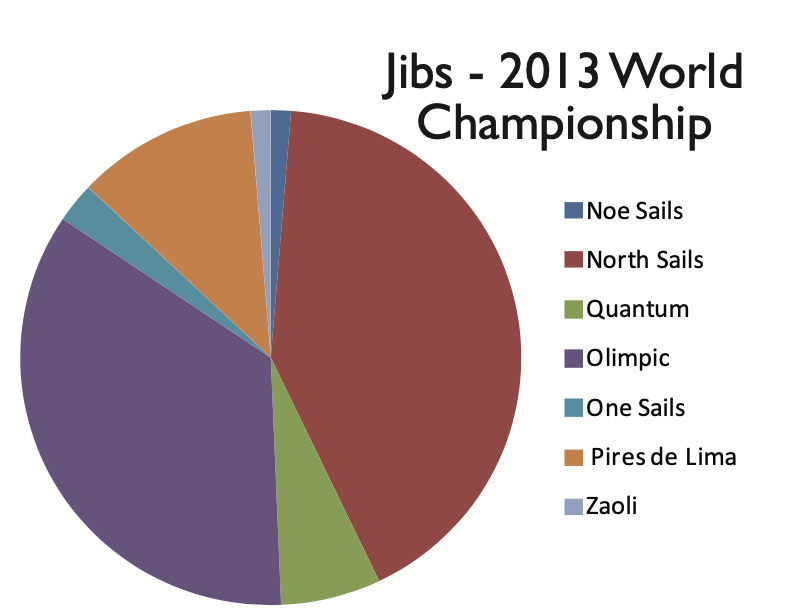
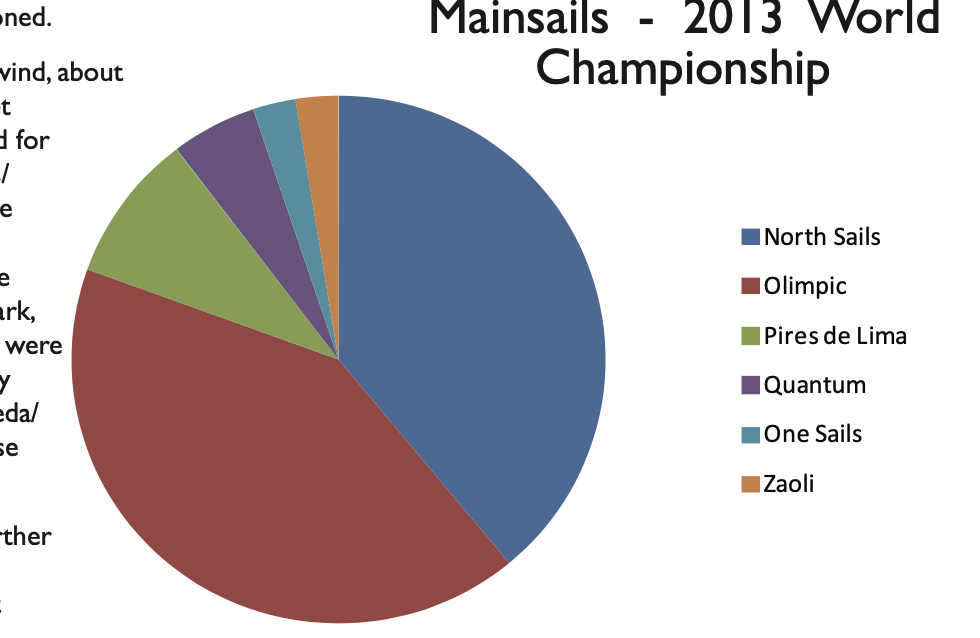
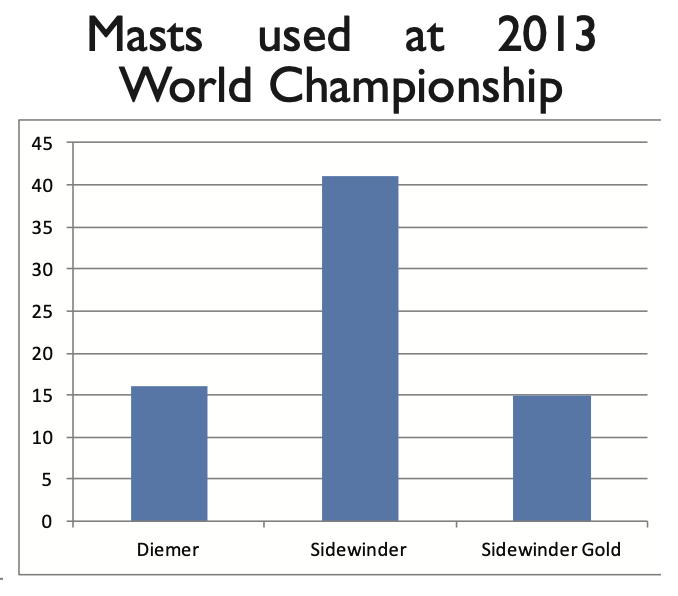
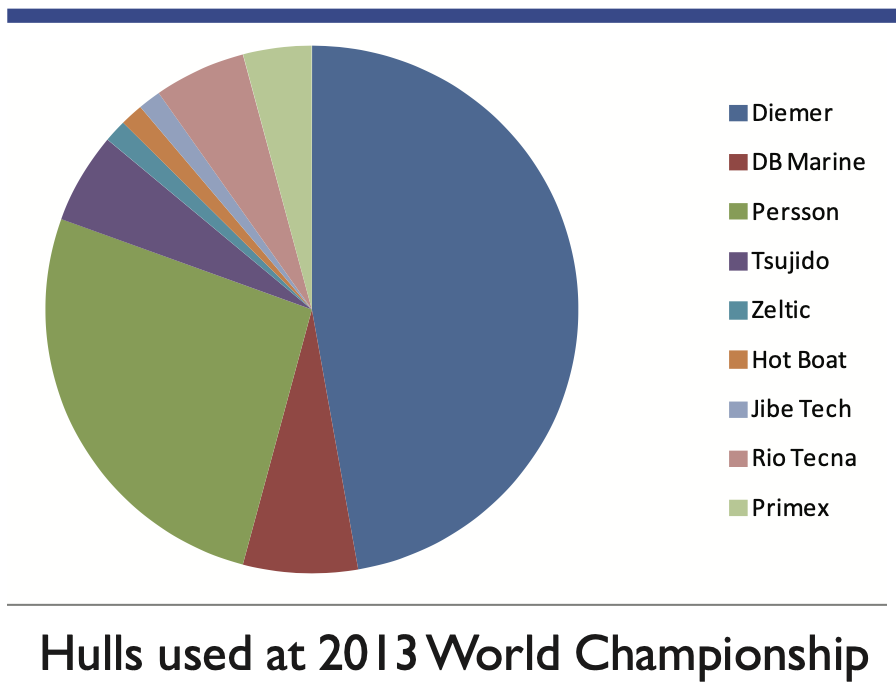
BB: Boat Diemer, Olimpic Sails and SW Gold. The basic numbers were the same. Just some small adjustment depending on the wind conditions. But not too special.
SB: The Brazilians finished with 8 boats in the top 10. In your opinion, why are the Brazilian teams so strong?
BB: The class is the best option in Brasil. We are a big family! It’s cheap in relation to other classes and all the equipment is built in Brasil. That’s the biggest point! You don’t need to be an athlete, you don’t need to sail every day and we have the last 3 world champions from Brazil. Many people want to sail in the class and beat us.
SB: Which was the most important factor for the victory of the Worlds?
BB: Patience! Our first day was tough. In the first race we had a very poor start. After the start we made a mistake and had to do a 720. But at this time we were sure we were mentally prepared. We kept calm and we won the race. But we had a ZFP. That was terrible. And in the next 2 races we HAD 3 and 5. At the end of the day I really thought we were mentally in the right way. We were tested.
SB: Can you describe your regatta and how you managed the 6 days of sailing?
BB: For sure we had to sail in a different way during the starts. It was really difficult because the right side was almost always better and also the start at the RC. We thought it was too risky to start there and we paid a high price in the beginning of all races to start in the middle of the line.
SB: Did you have a coach during the Worlds?
BB: Mauricio Santa Cruz was our coach (1997 World Champion). He was really important passing us his experience and helping during many moments.
SB: Did you expect the prevalent strong winds during the Championship or it was a “surprise”?
BB: It was really abnormal. SW wind normally last 2 days. And it’s strong only in the first day. Because of the special meteorological conditions tide didn’t take place. We didn’t have even one typical day of Guanabara Bay.
SB: Your program for the future?
BB: We will keep away from the Snipe the next 3 years trying to qualify for Rio 2016. After that we will come back. For sure!!!
XLI – Landskrona, Sweden, August 3-7, 2003
- Augie Diaz and Jon Rogers, USA
- George Szabo and Brian Janney, USA
- Francisco and Marina Sanchez Ferrar, Spain
- Alexandre and Eduardo Paradeda, Brazil
- Henrique Wanderley and Richard Zietemann, Brazil
Sailed on the Oresund, 58 starters and 18 nations
XLII – Gamagori, Japan, July 23-31, 2005
- Augie Diaz and Pam Kelly, USA
- Shigeru Matsuzaki and Hiroyuki Sugiura, Japan
- Pablo Defazio and Eduardo Medici, Uruguay
- Rayco Tabares and Jose Gonzalo Morales, Spain
- Bruno Bethlem and Sergio Gomes, Brazil
Sailed on Gamagori Bay, 51 starters and 15 nations
XLIII – Porto, Portugal, September 8-15, 2007
- Tomas Hornos and Enrique Quintero, USA
- Kenji Abe and Hiroshi Yamachica, Japan
- Peter and Sheehan Commette, USA
- Augie Diaz and Mark Ivey, USA
- Pablo Defazio and Eduardo Medici, Uruguay
Sailed on the Atlantic Ocean, 57 starters and 18 nations
XLIV – San Diego, California, USA, September 4-12, 2009
- Bruno Bethlem and Dante Bianchi, Brazil
- Gustavo del Castillo Palop and Felipe Llinares Pascual, Spain
- Ernesto Rodriguez and Megan Place, USA
- Takumi Nakamura and Junichiro Shiraishi, Japan
- Alexandre Tinoco and Victor Mendes Martins, Brazil
Sailed on the Pacific Ocean, 49 starters and 18 nations
XLV Rungsted, Denmark, August 6-13, 2011
- Alexandre Tinoco and Gabriel Borges, Brazil
- Alexandre Paradeda and Gabriel Kieling, Brazil
- Bruno Bethlem and Dante Bianchi, Brazil
- Alfredo Gonzalez and Christian Sanchez, Spain
- Rayco Tabares and Gonzalo Morales, Spain
Sailed on Oresund Bay, 59 starters and 18 nations
XLVI – Rio de Janeiro, Brazil, September 6-13, 2013
- Bruno Bethlem and Dante Bianchi, Brazil
- Mario Urban and Rafael Sapucaia, Brazil
- Alexandre Paradeda and Gabriel Kieling, Brazil
- Alexandre Tinoco and Matheus Goncalves, Brazil
- Luis Soubie and Diego Lipszyc, Argentina
Sailed on Guanabara Bay, 77 starters and 15 nations
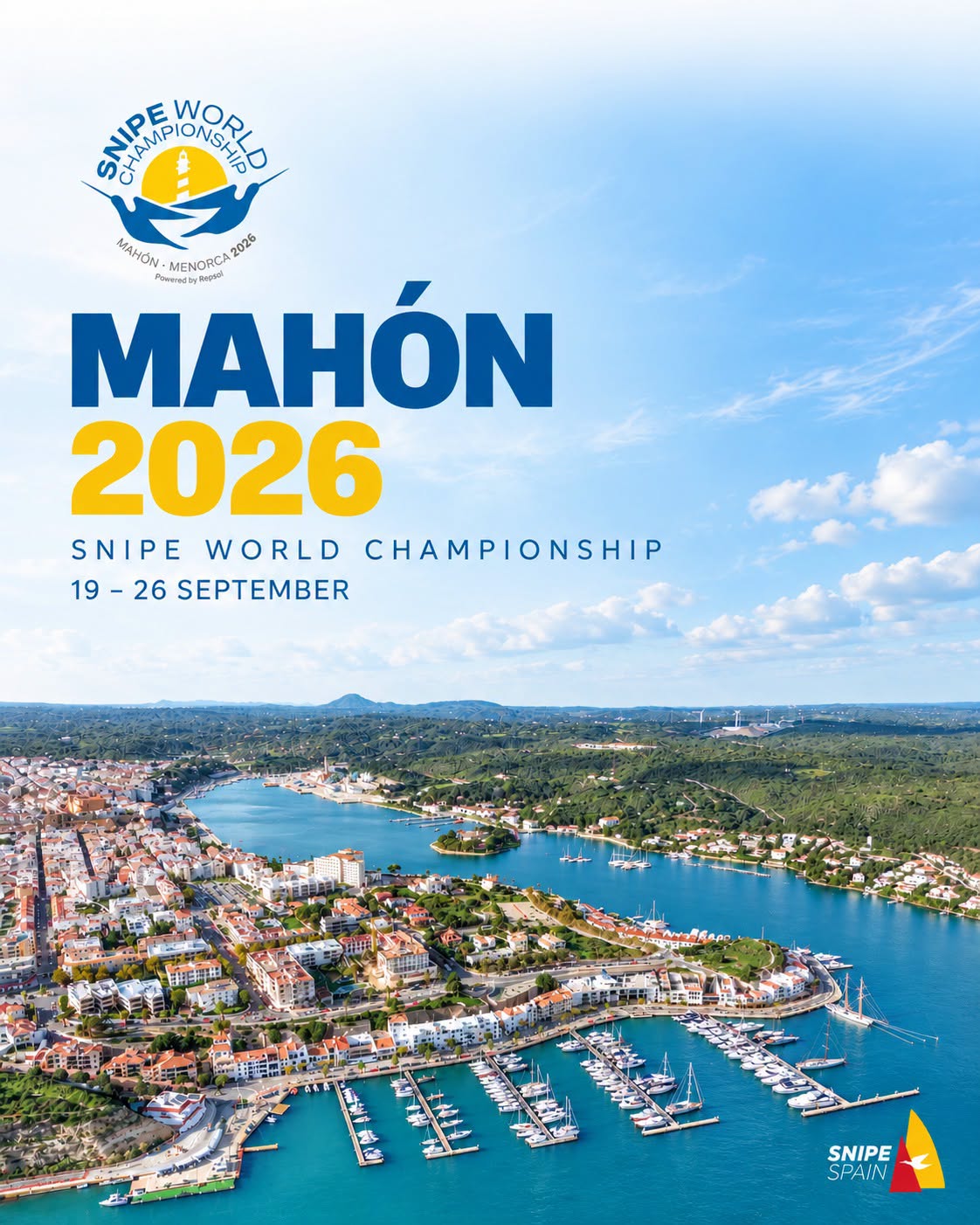
About the 2026 Snipe Worlds:
Mahon, Menorca, Spain, September 19-26, 2026
Leave a reply
Your email address will not be published. Your comment will be revised by the site if needed.

0 comments