
The Paradoxes of Masters Regattas
On the Proposal to Raise the Age Limits ... and Beyond
On the Proposal to Raise the Age Limits … and Beyond
Sometimes, to properly frame the subject of a proposal, it can be useful to look at things from a certain distance or a certain height, moving beyond the specific technical reasons behind the motion itself. Master Worlds and Master regattas in general are a unicum within the Snipe Class. To understand them, I will highlight a few contradictions —some perhaps provocative, others perhaps uncomfortable for some to hear. Yet, it is through these contradictions that we can truly grasp the peculiarities, the strengths, and the flaws of Master regattas.
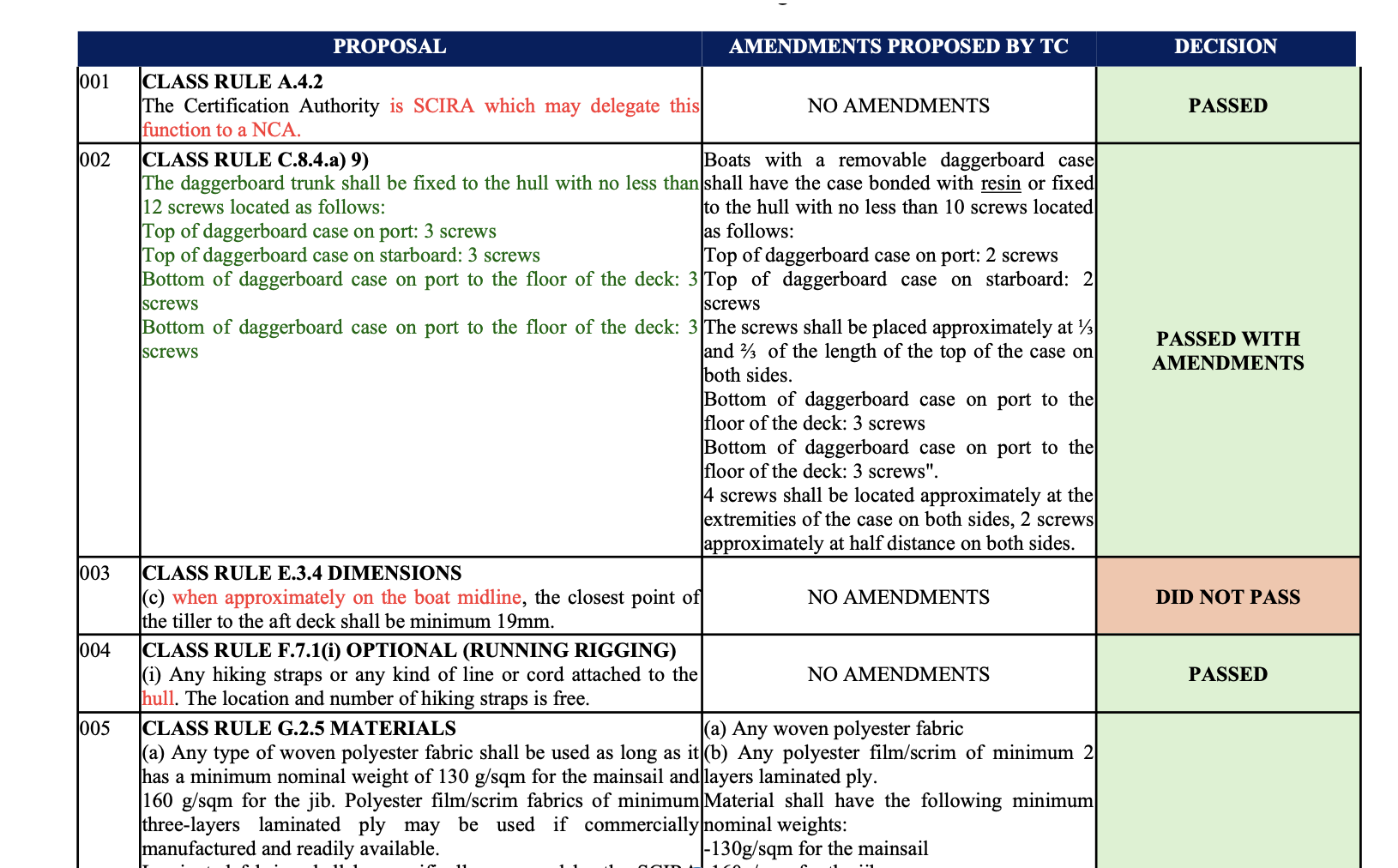
The New Rule Change Proposal
Current Categories:
- Apprentice Master: 45–54 years
- Master: 55–64 years
- Grand Master: 65–74 years
- Master Legend: 75+ years
- Apprentice Master: 50–59 years
- Master: 60–69 years
- Grand Master: 70–79 years
- Master Legend: 80+ years
I want to be clear: I will not tell you what I think of the proposal itself (frankly, few probably care). My goal is simply to offer a different perspective.
A Brief History Lesson
Let’s jog our collective memory. Back in 2012, the Board (and at that time I was SCIRA Secretary) voted to raise the entry age for Apprentice Masters to 50, effective from 2013—citing the exact same reasons we’re hearing now in 2026. At the time, not a soul complained. That is, until the Master Worlds in Santiago de la Ribera in September 2012, where a “Jacquerie” broke out, incited by the then-young Belgian Apprentice Masters. Faced with this rebellion, the Board retreated to the original 45-year rule. Now, 14 years later, the proposal has been dusted off and served once again.
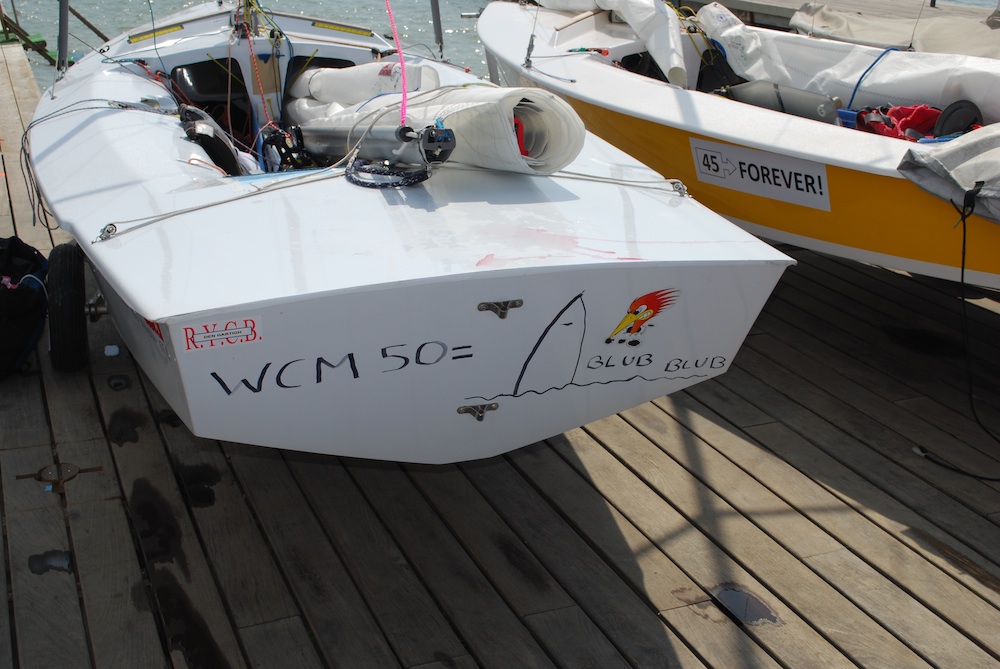
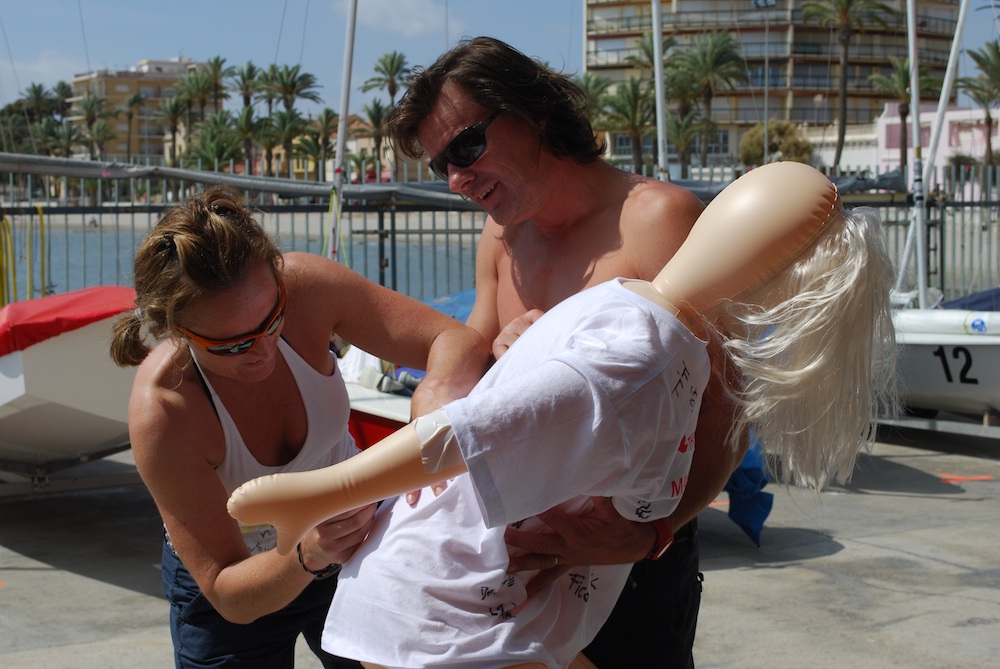
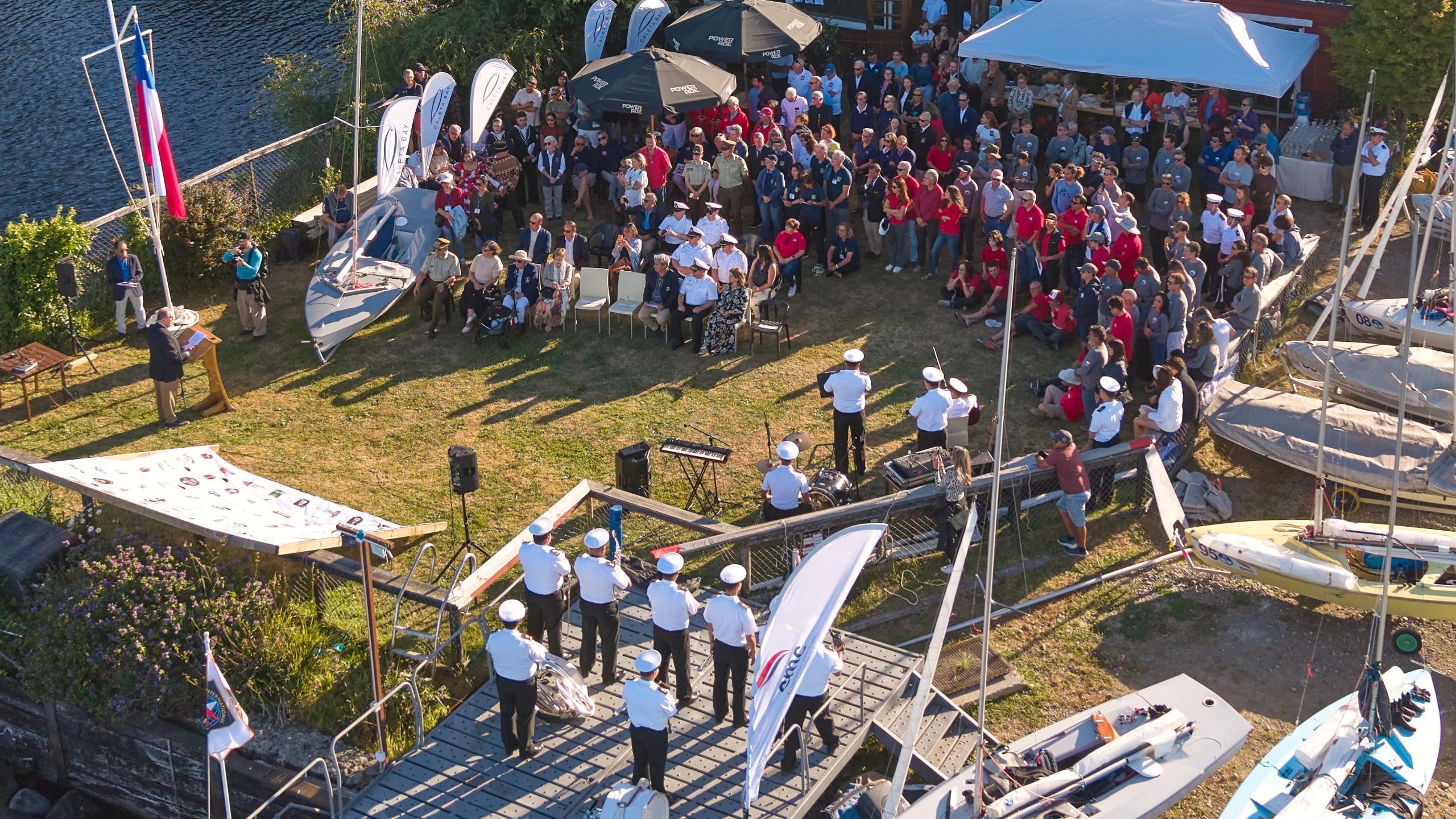
In the photos above: protest drawings and stickers on the Belgian boats, and the signing of the petition (on an inflatable doll) to bring the age limit back to 45.
The Success of Master events
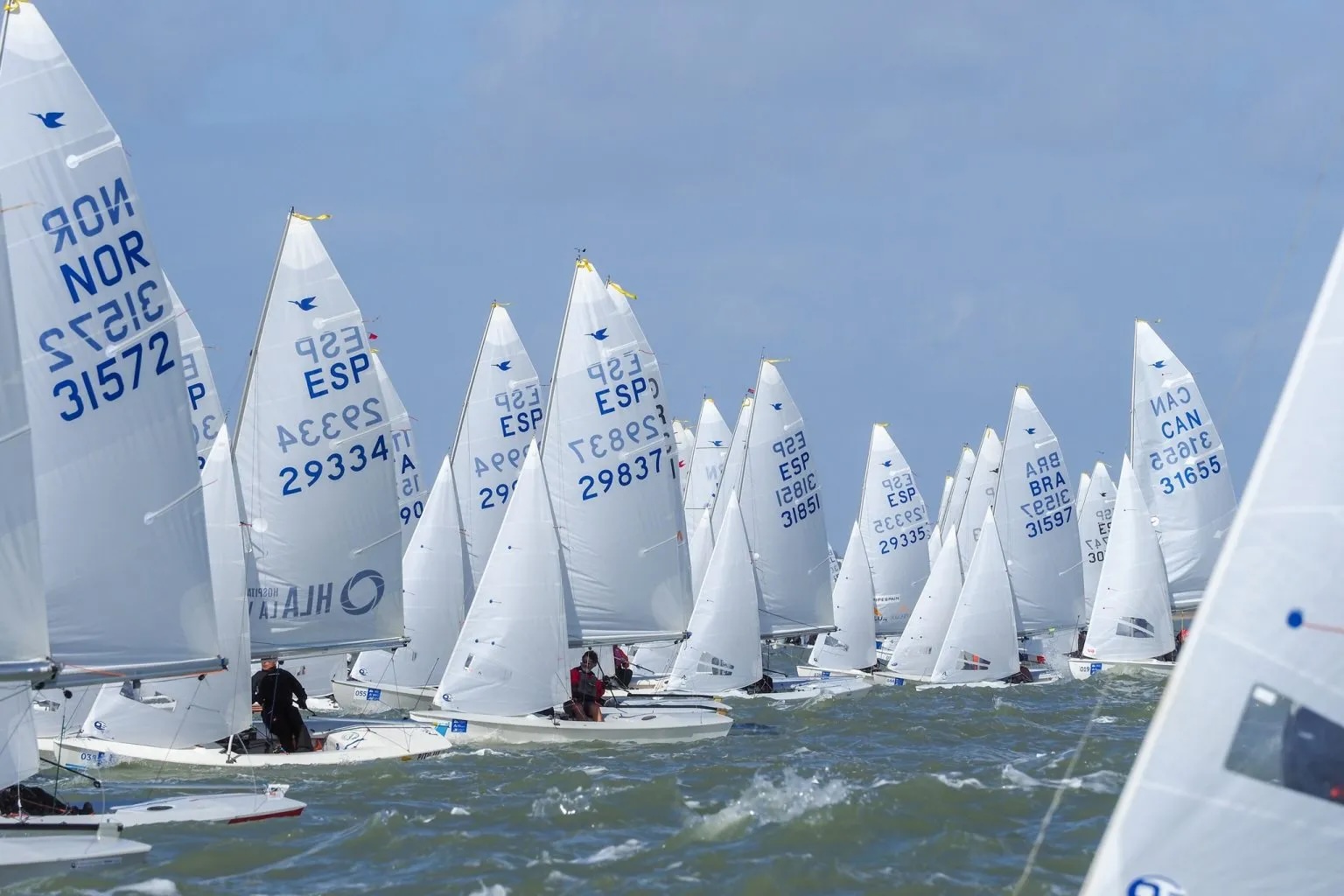
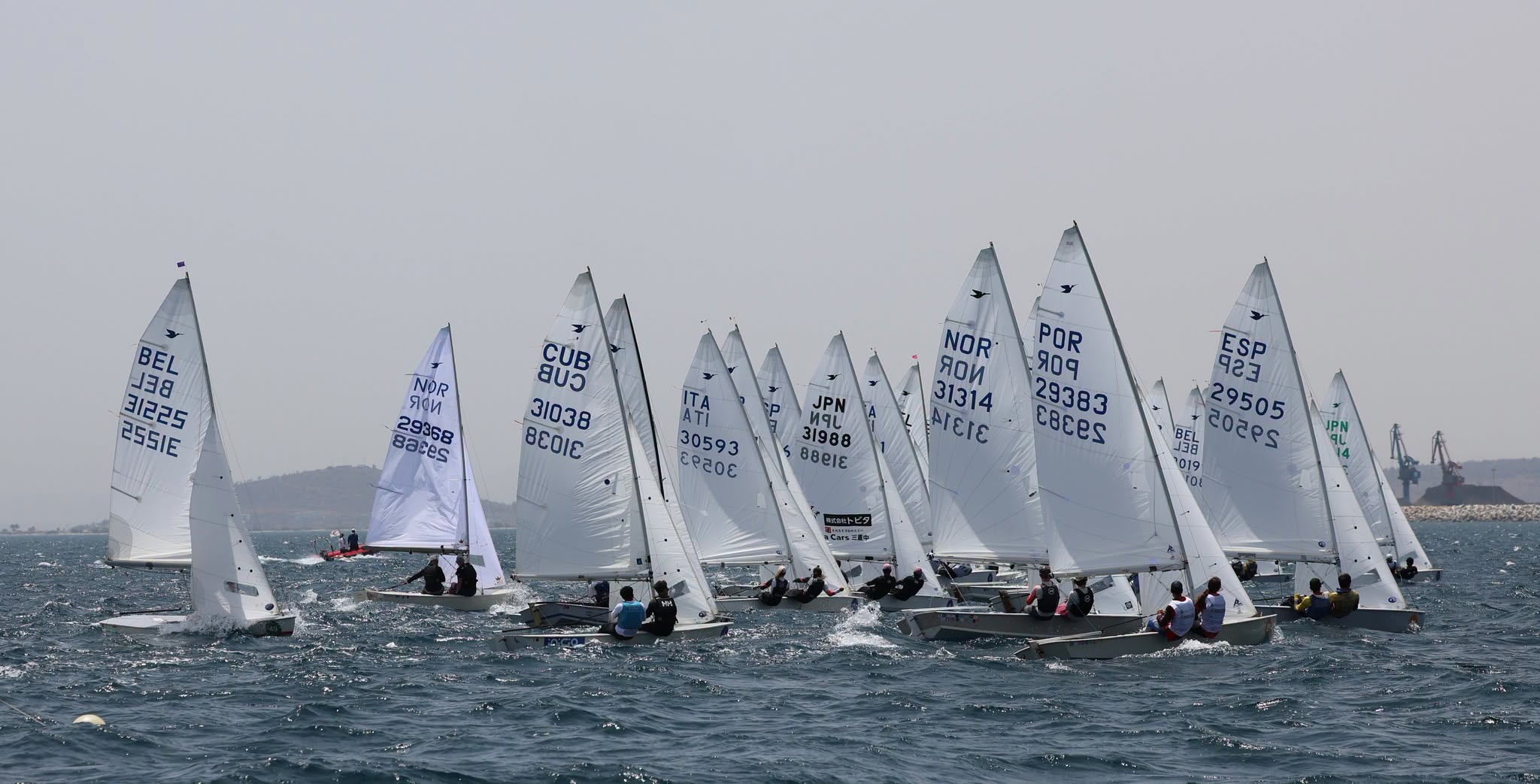
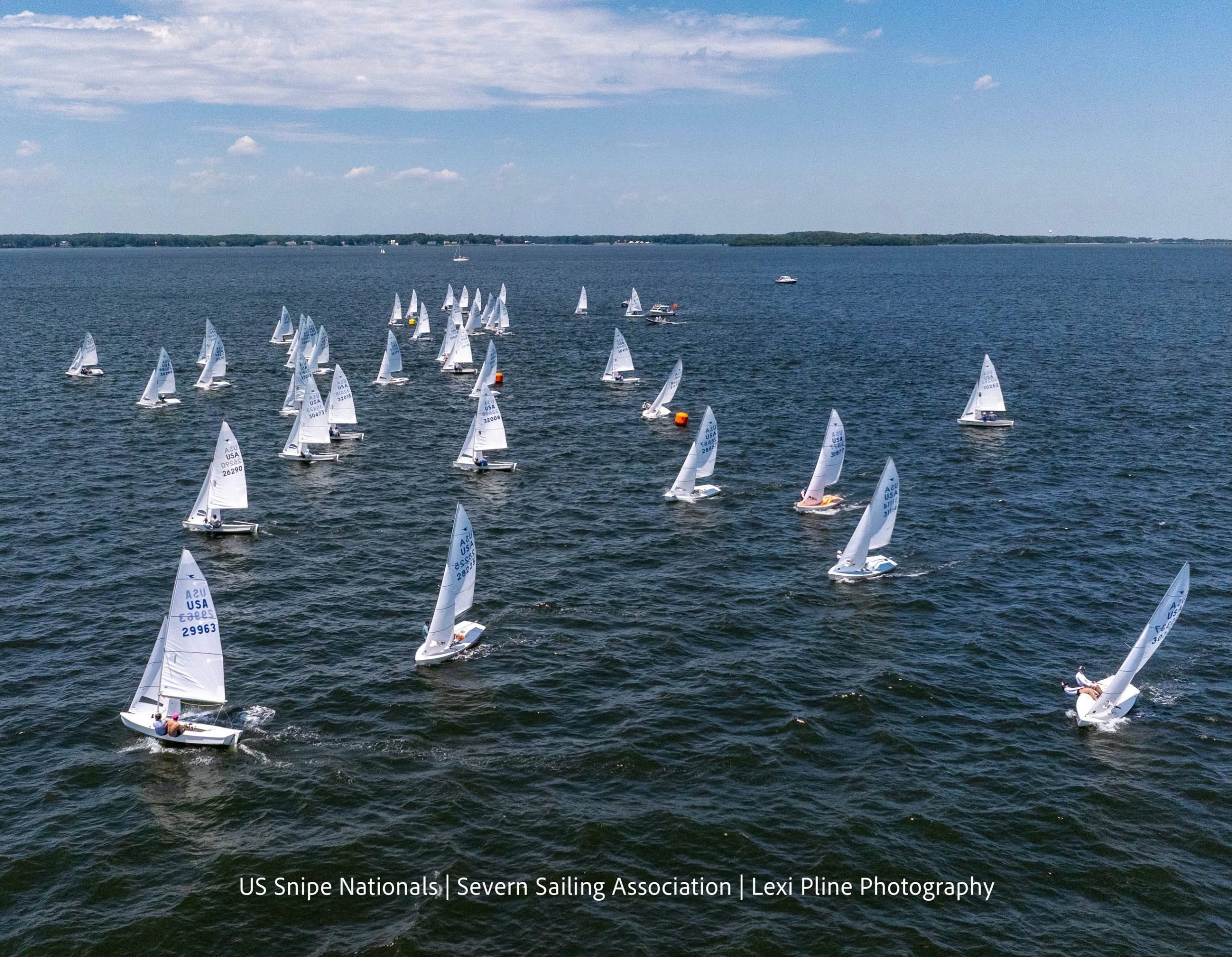
We must acknowledge a striking reality: Master regattas are a massive numerical success. We have seen instances where the Master Worlds in Cadiz had more participants than the preceding or subsequent Senior Worlds. Similarly, the Master European Championship has sometimes outperformed the Open European Championship in attendance—even though the Open Europeans have no qualification hurdles and are open to all ages, genders, and continents. Even in Italy recently, the Master Nationals saw more boats on the line than the Open Italian Nationals.
There must be a reason for this. It is likely the unique and convivial atmosphere of these events—combined with cocktails, dinners, and parties—and the fact that they are inclusive toward different ages and skill levels (the only requirement is, of course, that the skipper is at least 45 years old and that the combined age of the skipper and crew is at least 80 years). Additionally, measurements are more simplified, there are fewer racing days compared to the corresponding Senior events, and there are separate rankings and trophies for multiple categories of sailors. However, all these reasons are, in fact, often contradicted or called into question by a series of paradoxes.
The “Tough Sailor” Syndrome
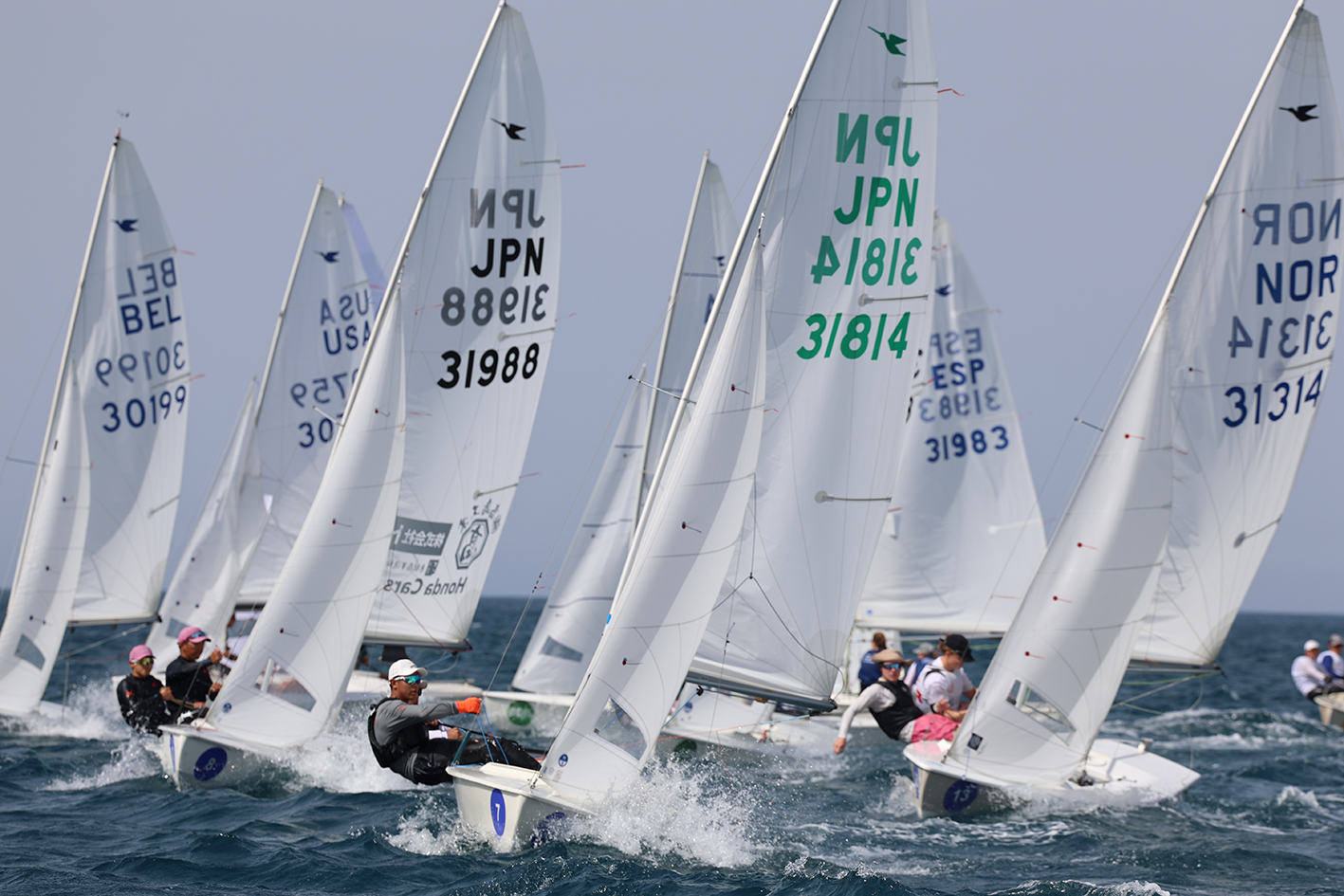
A good chunk of Master sailors also compete in the Senior Worlds. Some are perfectly capable of winning there, beating teams under 45 or even under 30. The funny thing? These ultra-competitive Apprentices and Masters often moan about the 15-knot wind limit or the non-negotiable two-races-per-day rule.
They want these limits scrapped, conveniently forgetting that at a Masters regatta, there’s also a Master Legend on the course, or someone sailing with their granddaughter, or someone there strictly for the social side. The rebuttal is simple: if you want “serious” racing in 22 knots, go to the Senior Worlds. The Masters is for everyone, especially the Legends. A 45-year-old should show some respect for an 80-year-old. It seems we’ve lost our sense of perspective. Be serious and inclusive! A Master event must be tailored for everyone; therefore, it must allow even those who are not experts or are no longer at their peak physical strength to compete and have fun. Similarly, implementing different wind limits based on category does not align with the true spirit of these regattas.
The Shrinking “Senior” Era
Here lies another contradiction. In our collective obsession with promoting the so-called “Next Generation” we have continuously pushed the boundaries. We raised the Junior age from 18 to 21, and then added “Junior and Under 30” (or 31, or 32) invitational events. We are effectively squeezing the “Senior” category into a tiny window of barely ten years. It seems that in today’s sailing world, you are either a “kid” or part of the “old guard.” The middle-aged sailor is becoming an endangered species.
The “Little Trophy” Obsession
Everyone preaches that Masters racing is all about the party and camaraderie. Too bad the most vicious protests I’ve ever seen happen at Masters events. Most of the competitors are desperate (especially in my country for the Master nationals) for a trophy, and since there are four categories—plus very often additional sub-prizes for father/daughter, husband/wife, or nephew/uncle teams—there are plenty to go around.
The typical “trophy hunter” follows a specific pattern:
- They pray for fewer competitors in their specific sub-category.
- If a fast sailor shows up, they grumble: “Why didn’t they go to the Senior Worlds instead of stealing trophies at a party regatta?”
- The moment someone cuts them off on the water, “the party” is forgotten, and they file a ferocious, uncompromising protest.
- If they win their little cup, they post on social media that they “won the Nationals or the Worlds”—conveniently omitting that it was a very specific age bracket.
Finding the Balance
In the end, whether the limit is 45 or 50 matters very little. You are a “Master” when you need reading glasses to read the Sailing Instructions. But let’s not take ourselves too seriously. When we discuss Masters racing, we need to avoid sliding into the pathetic. Let’s remember the golden rule: in a Master regatta, Serious Fun must always come first—always favoring the playful side and true sportsmanship.
Read also:
Note: The “Exchange of Views and Reading” section of this website hosts the views of the Snipe Sailors.
This article represents a personal opinion, which may not coincide with the official opinion or view of the Class or other sailors. We deem it useful to discuss (naturally avoiding offensive content) various topics relating to our Class, to allow for an open and democratic discussion, as has always been the case on SnipeToday for more than a decade.
Dear readers, if you want to reply to this article, agreeing, or disagreeing, or proposing different solutions, I will be happy to host you in this section of the site (email to: [email protected])




Comments for this post are closed

1 comment
Jose C. Alegria
I agree with the proposal to raise the age ranges by 5 years
Leave a reply
Your email address will not be published. Your comment will be revised by the site if needed.